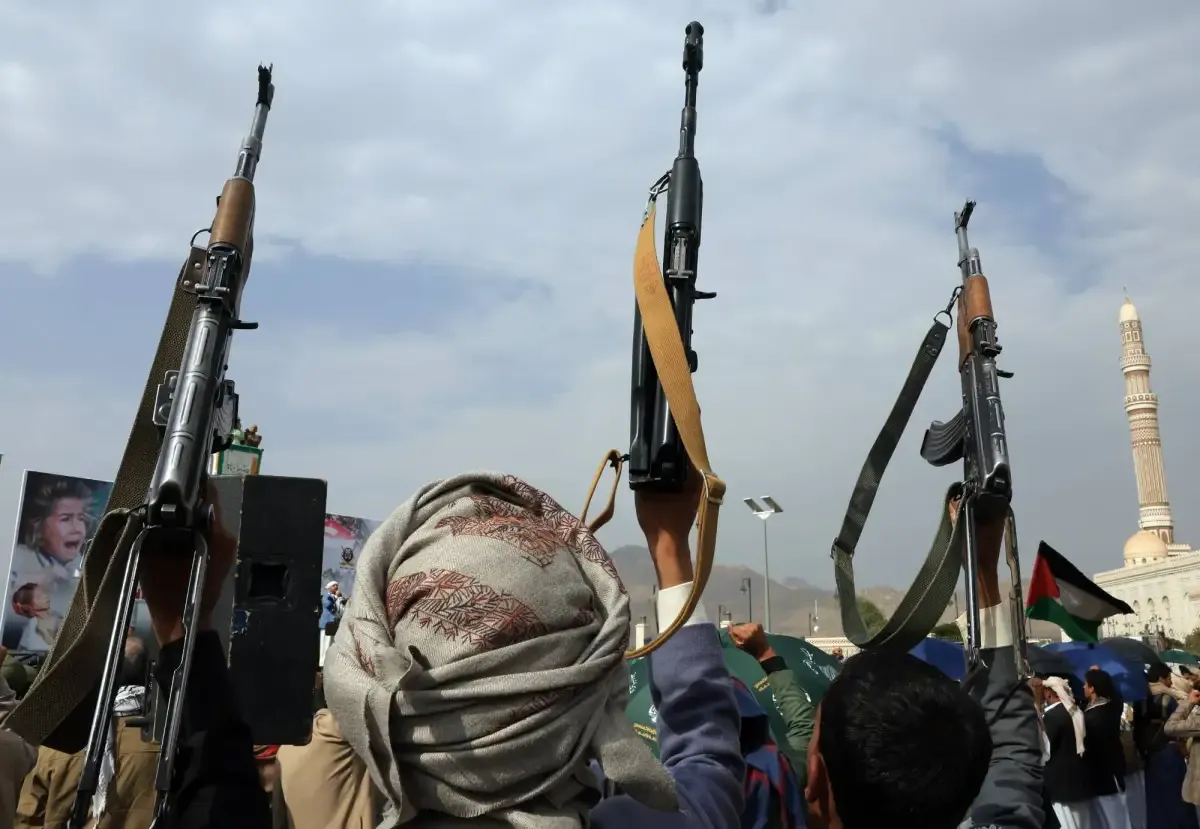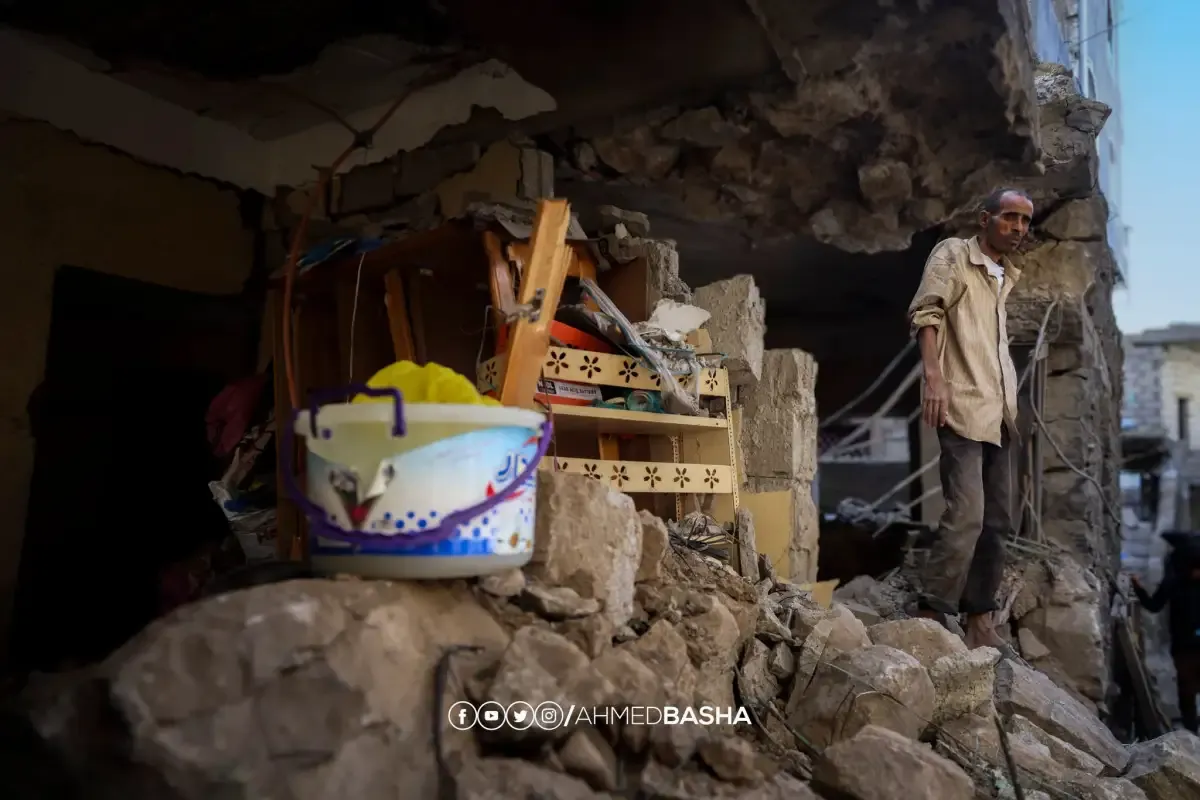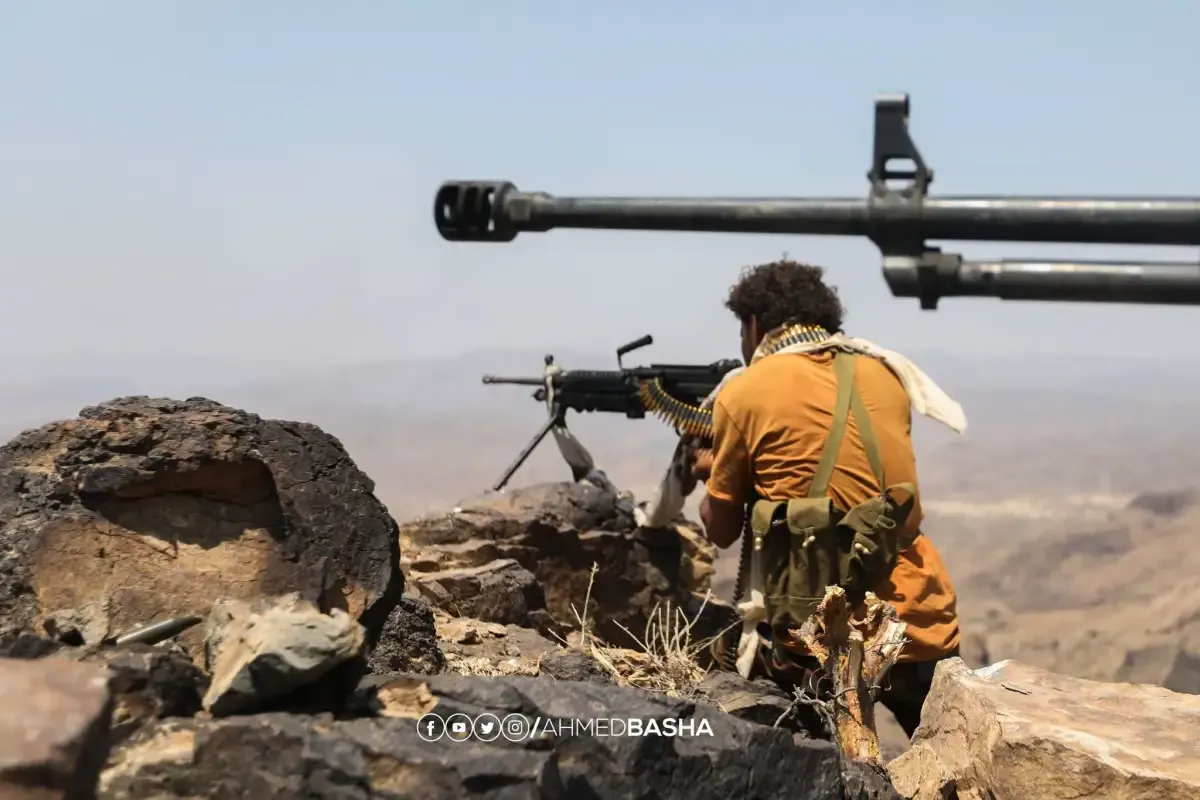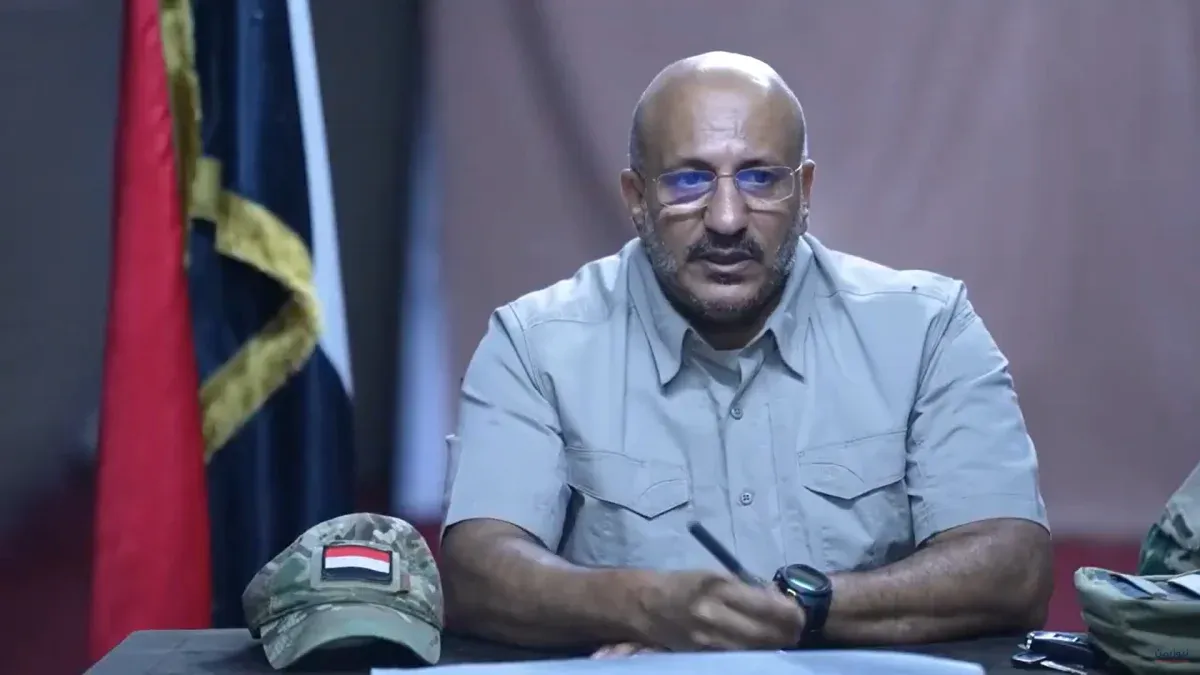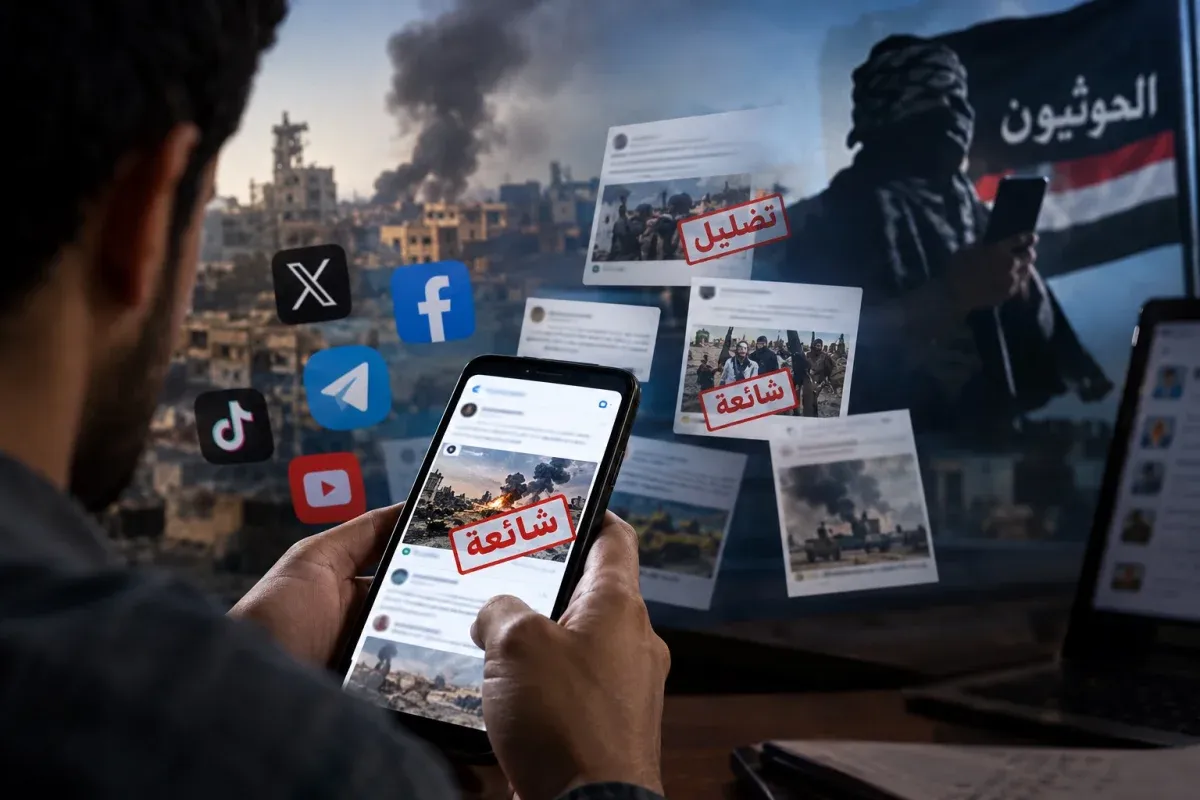
The Houthi movement has expanded its conflict beyond military fronts to social media platforms, utilizing misinformation and rumors as a key strategy to influence public opinion and sow discord. This digital battleground has become a parallel arena where facts intertwine with propaganda and misleading narratives are employed to shape perceptions.
As military confrontations intensify, the information war waged by the Houthis becomes increasingly critical. Through a network of accounts, platforms, and propaganda tools, they aim to undermine enemy morale, confuse the public, discredit opposing government forces, and present their version of events as the sole truth. These tactics are intrinsic to the Yemeni conflict, which now relies not only on military power but also on controlling the media narrative to influence popular sentiment, build or erode trust, and shape understanding of developments.
Rumors serve as a potent tool for pressure, particularly concerning military movements, battlefield losses, leadership positions, and the trajectory of battles. Such unsubstantiated claims often exploit the anticipation and anxiety accompanying military escalation, as well as the public's hunger for immediate information. In this climate, unverified news can spread widely before official clarification, and outdated images or out-of-context videos can be weaponized to mislead audiences, fabricate events, or magnify minor incidents into decisive military shifts. The danger lies in these practices targeting not just information but also the public's psychological state, fostering doubts about the capabilities of government forces and creating an impression of preordained outcomes.
The Houthi propaganda effort extends beyond spreading rumors to constructing a cohesive narrative. This involves selectively choosing information, highlighting specific aspects while ignoring others to serve their political and military objectives. Digital platforms are used to exaggerate battlefield gains, downplay Houthi losses, and frame military actions within political and media narratives that justify their operations and influence local and international perceptions of the conflict. Conversely, mistakes and discrepancies within anti-Houthi camps are exploited to portray them as incompetent, divided, or incapable of managing the war. This strategy is particularly effective given the multiplicity of anti-Houthi factions, allowing for the exploitation of existing disagreements to widen trust gaps and divert attention from shared military and security challenges.
The impact of this information war is closely tied to the military reality. Misinformation can affect fighter morale, distress families, and confuse civilians near conflict zones. It can also erode public trust in official institutions if timely clarifications are not provided, leaving room for conflicting narratives. Sensitive battlefield information or unannounced military movements, if leaked through social media, can pose a security risk, potentially revealing troop positions or deployments. Therefore, countering this digital warfare requires a robust communication system capable of delivering accurate information promptly, refuting claims with evidence, and providing clear, professional updates to the public. This includes enhancing coordination between government, military, and media entities, unifying official information sources, and exercising discretion regarding sensitive security matters, while avoiding exaggerated rhetoric or unsupported promises.
Societal awareness is the first line of defense against disinformation campaigns. Responsibility is shared among official institutions, social media users, journalists, and activists. Verifying sources, cross-referencing information with official statements, checking the context and date of images and videos, and refraining from resharing sensational content before verification are crucial steps. Professional journalism plays a vital role in providing reliable information, correcting falsehoods, and holding officials accountable, without becoming a party to propaganda. Media outlets that merely repeat statements risk losing credibility, as do those that disseminate unverified news or conflate facts with political stances. Conversely, delayed communication from government institutions creates an informational vacuum that Houthi accounts can exploit, making swift responses and clear messaging essential for maintaining public trust. The conflict's expansion to social media reflects the evolving tools of warfare, where influencing public discourse and morale is as critical as controlling territory. However, countering propaganda requires a fact-based discourse that acknowledges errors and presents information transparently, rather than through reciprocal propaganda or undue skepticism. While rumors may cause temporary confusion, they cannot indefinitely supplant reality. Credibility, timely access to accurate information, public awareness, and institutional cohesion are decisive factors in mitigating disinformation's impact. In this intertwined battle of arms and information, battlefield progress must be accompanied by a reliable narrative that safeguards public consciousness and prevents social media from becoming another front for internal disruption and the erosion of trust between citizens and their institutions.