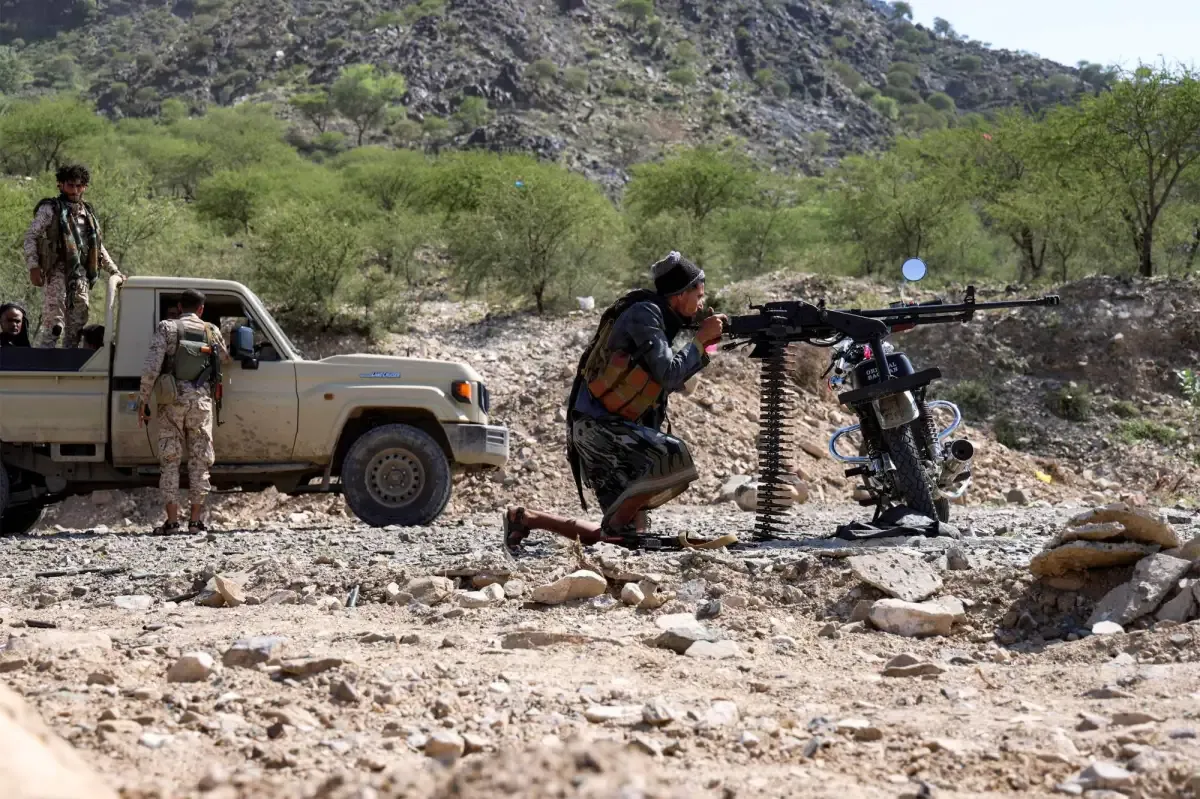
A recent analysis highlights the ongoing military attrition in Yemen, attributing the lack of decisive battlefield outcomes to the contrasting combat styles of government forces and Houthi militias. The Houthis' adept use of guerrilla warfare, terrain, and populated areas is effectively hindering swift resolution.
The analysis, published in Al Majalla magazine and titled "Yemen's War: Confrontation Tactics and the Cartographic Struggle," notes that despite escalating confrontations since the Houthis' declared "escalation war" in August, significant shifts in territorial control have not materialized. Key developments include government forces recapturing the Bab al-Mandab strait and militia withdrawals from desert areas in eastern Al Jawf and southern Marib. Most combat zones, however, remain characterized by a pattern of engagement and disengagement.
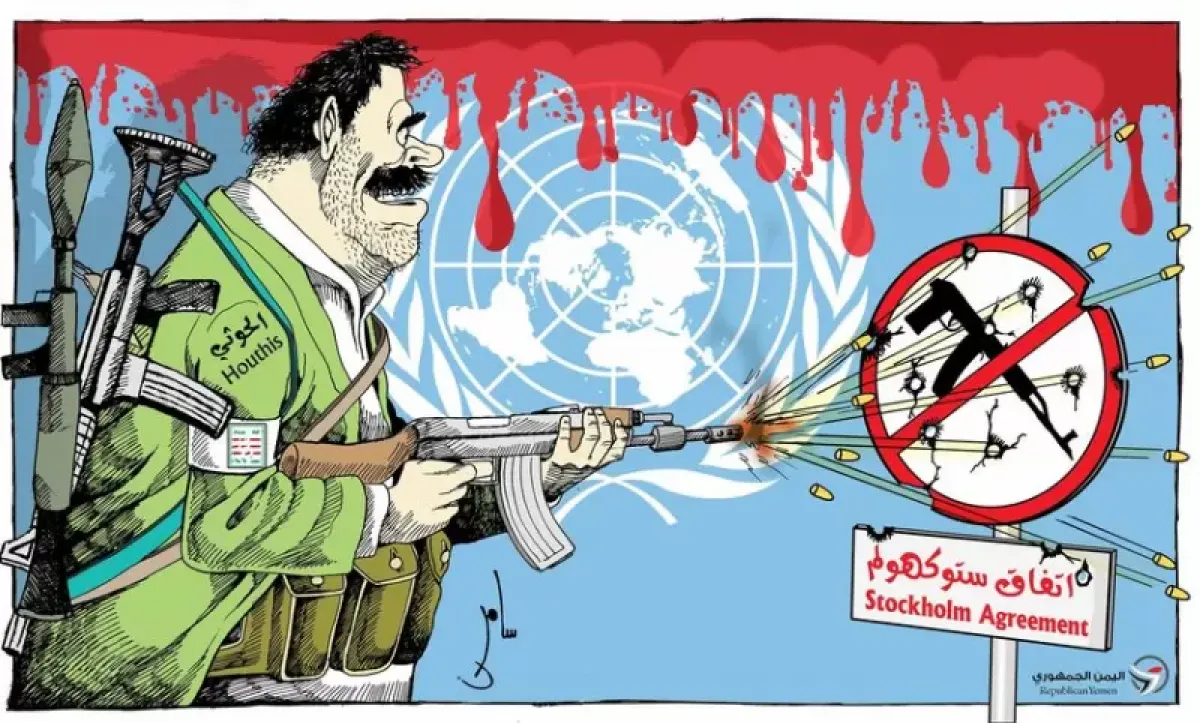
A primary reason for this stalemate is the divergence in tactics. Government forces engage in conventional warfare, adhering to engagement rules and prioritizing civilian safety in areas where militias have fortified positions. Conversely, the Houthi group employs guerrilla tactics, utilizing small armed units for limited strikes before strategic redeployments. This presents a significant challenge for government forces, who must contend with an adversary that leverages the terrain and civilian populations to mitigate losses and prolong conflicts, while their own operations are constrained by the imperative to protect civilians in inhabited areas.
The Houthis exploit Yemen's diverse geography, including rugged mountains, vegetated plains, coastlines, and islands, for camouflage, equipment concealment, and repositioning. Coastal areas and islands are also reportedly used for smuggling and arms storage, bolstering their logistical capabilities. Human resources are replenished through recruitment drives employing both enticement and coercion, allowing the Houthis to offset battlefield casualties, which are reportedly viewed as an acceptable cost for prolonging the war. The report also mentions difficulties in recovering casualties from certain engagement zones.
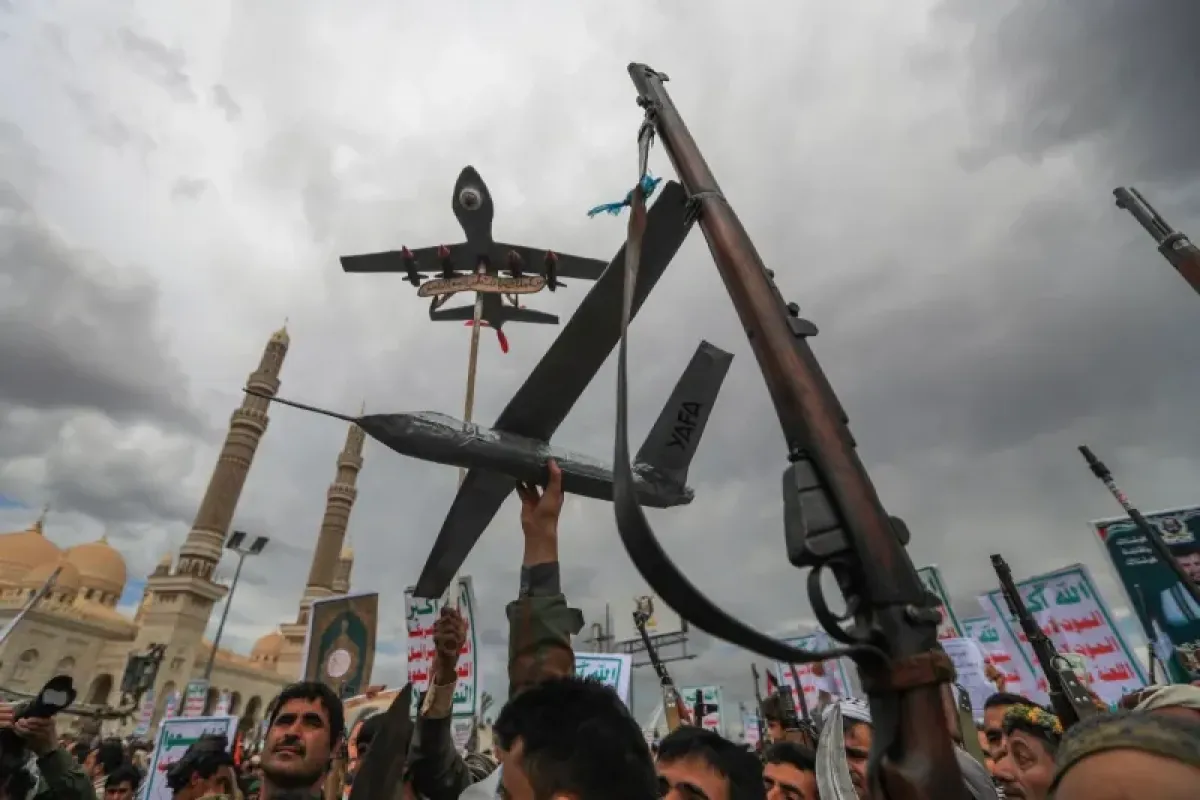
Regarding military equipment, the Houthis receive not only captured army weaponry but also new military technologies, including ballistic missiles, drones, and advanced communication systems, reportedly supported by Iran. Further complicating the conflict, an Associated Press investigation suggested the use of Russian reconnaissance satellites to assist the Houthis and Iran-aligned Iraqi factions in targeting Saudi Arabia, tracking approximately 40 missile and drone attacks between July and October 2026. Such developments indicate a potential escalation beyond the capabilities of non-state actors, incorporating major power reconnaissance and technology into targeting strategies.
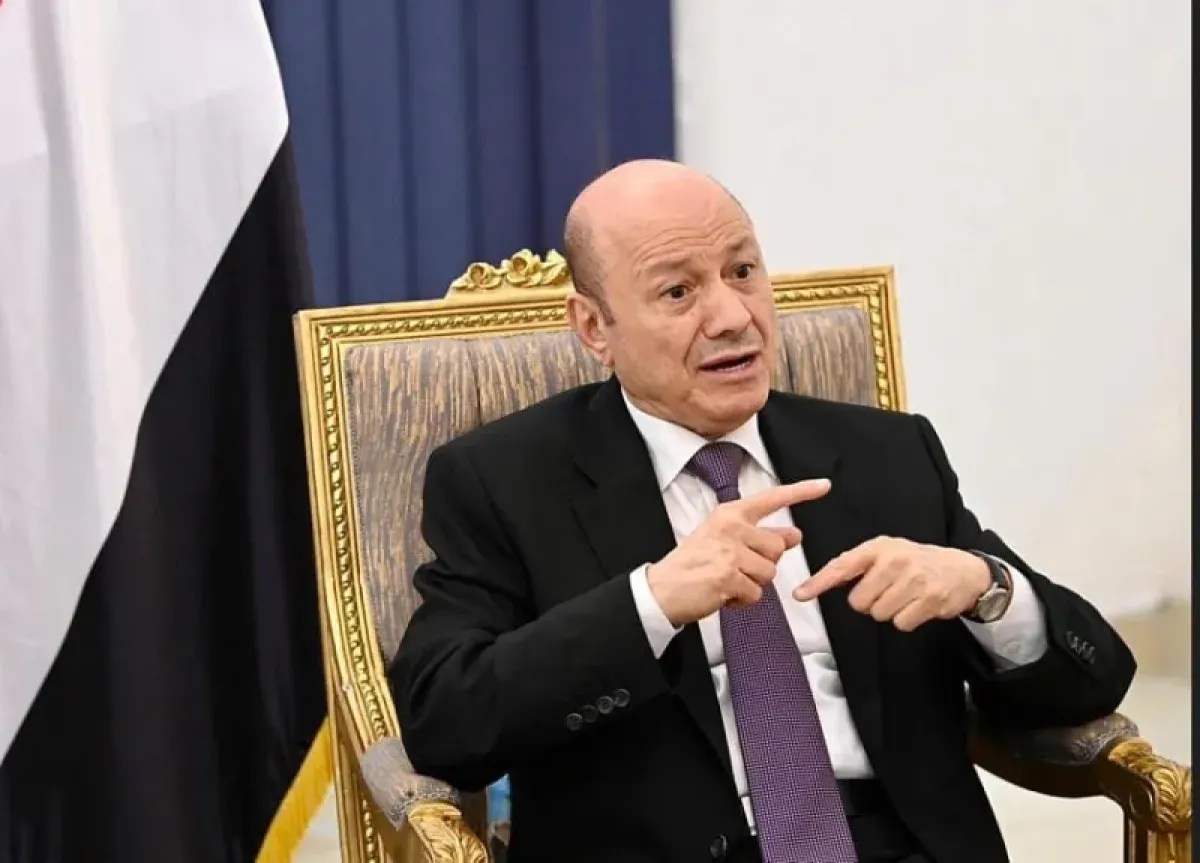
In contrast, government forces control a larger geographical area with abundant natural resources, extensive coastlines on the Red Sea and Gulf of Aden, and strategically vital islands. This provides them with greater maneuverability. The recapture of Bab al-Mandab is considered crucial for regional security. Improvements in government forces' operational capabilities are evident through their enhanced use of air power, drones, and modern artillery, alongside efforts to reorganize military and security institutions. However, possessing these capabilities does not guarantee a swift victory. The effectiveness of military superiority hinges on the government's ability to coordinate operations, unify fronts, and translate battlefield gains into sustainable territorial control, rather than merely inflicting casualties without achieving lasting strategic shifts.
The analysis also addresses the stalled political and diplomatic pathways, noting that years of mediation have failed to resolve the conflict due to disagreements over settlement terms and future arrangements, compounded by persistent accusations of Houthi intransigence. It also touches upon an alleged Iranian offer for dialogue between Riyadh and the Houthis, bypassing the Yemeni government, which raises questions about Tehran's influence on the conflict's trajectory and potential resolutions.
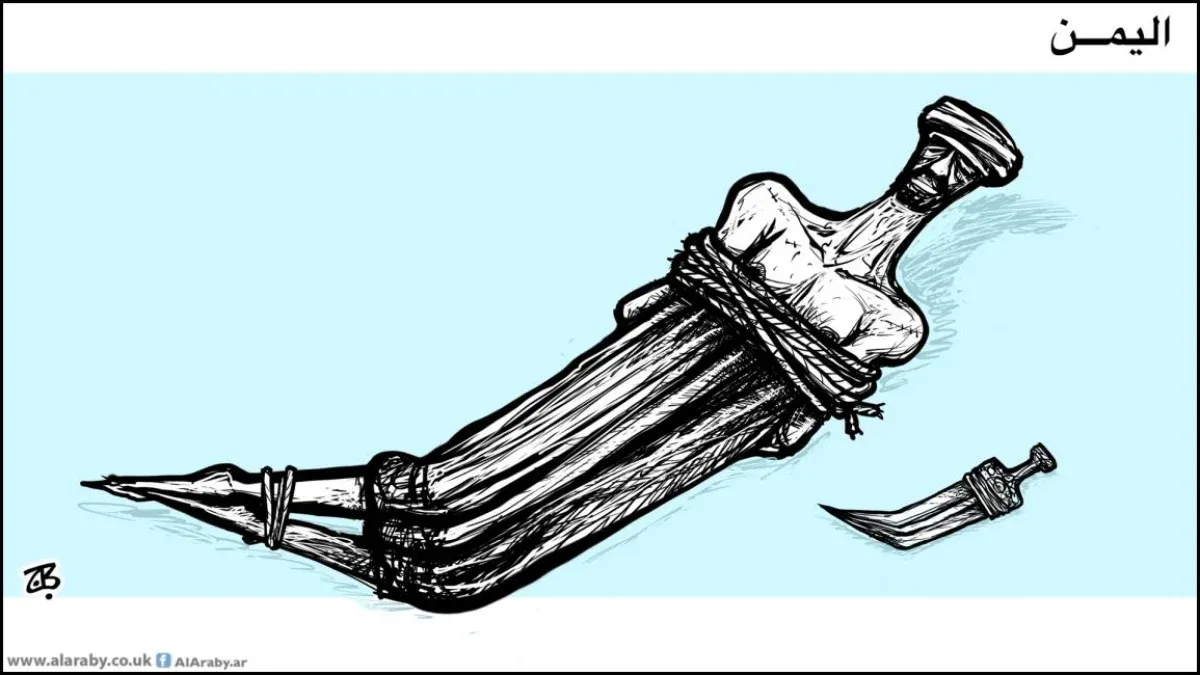
Ultimately, the continuation of the war is attributed not solely to the balance of power but also to the interplay of geographical, military, and regional factors, crucially including external support for the militias and their ability to exploit terrain and civilian areas to prolong the attrition. While indications point to increasing Houthi losses and evolving government capabilities, the fundamental challenge remains converting military and geographical advantages into decisive political and territorial outcomes that can end the stalemate and restore state authority across Yemen.