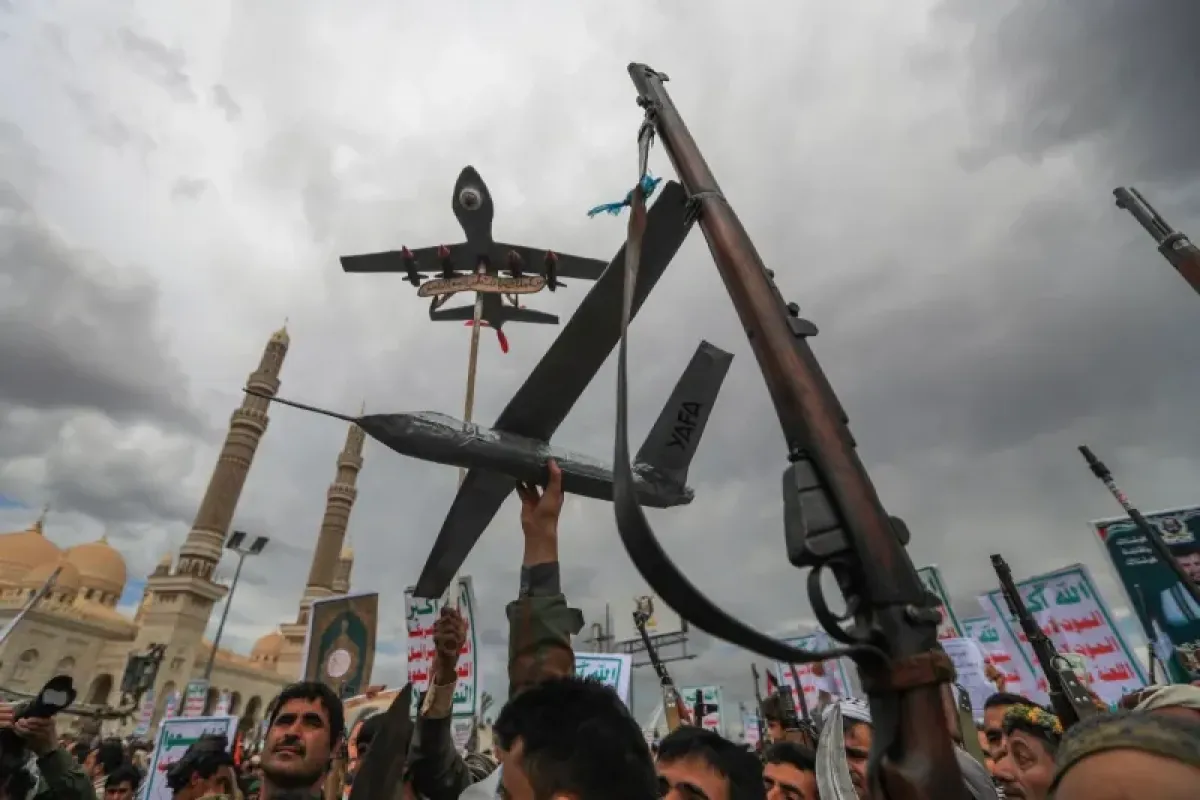
A Washington-based think tank has urged the Trump administration to intensify pressure on the Houthi militia and hold its leaders accountable for human rights abuses and the siege of Taiz city, warning that diplomatic efforts alone could allow the group to consolidate military gains.
The Foundation for Defense of Democracies (FDD) released an analysis highlighting the inextricable link between the humanitarian crisis in Taiz and Houthi responsibility. The report noted that at least one hospital in the city has significantly reduced its incubator capacity due to fuel shortages, exacerbating the impact of the ongoing siege, which has led to shortages of water, food, medicine, and fuel, alongside daily attacks on the city and surrounding villages.
The analysis criticized the international community for largely overlooking the Houthis' role in the humanitarian crisis, despite calls for a cessation of hostilities and a political settlement. It argued that addressing the crisis solely on humanitarian grounds, without assigning responsibility to the party imposing the siege, risks repeating past political mistakes. The researchers cautioned that the Iran-backed group could exploit international pressure aimed at alleviating human suffering to push for an early political agreement that fails to address abuses or end its control over strategic areas.
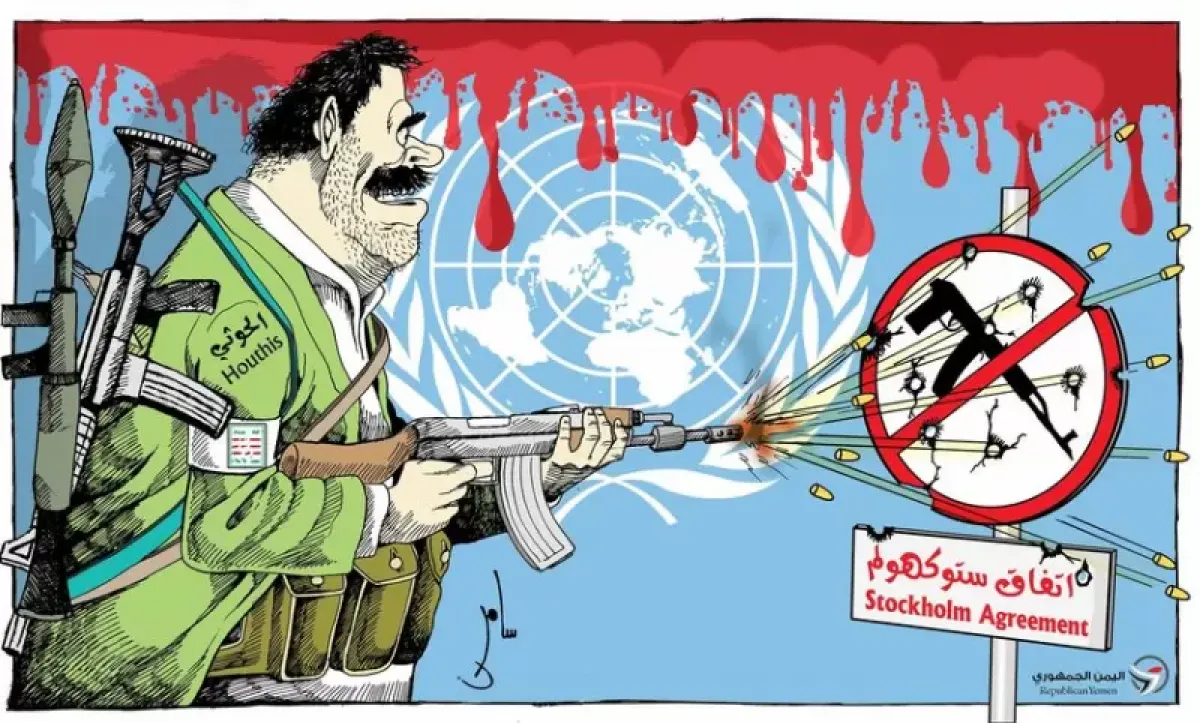
Recalling the 2018 Stockholm Agreement, brokered by the UN, the FDD report stated that the accord halted a government offensive to retake Hodeidah and its ports due to international concerns over a worsening humanitarian crisis. However, the analysis contended that the agreement left the ports and western coast under Houthi control without the group fulfilling key commitments, such as withdrawing forces from the city and ports. This continued control, the report stated, allowed the Houthis to benefit from import revenues and taxes, and use the area as a conduit for arms smuggling and military buildup, contributing to the ongoing threat to maritime navigation in the Red Sea.
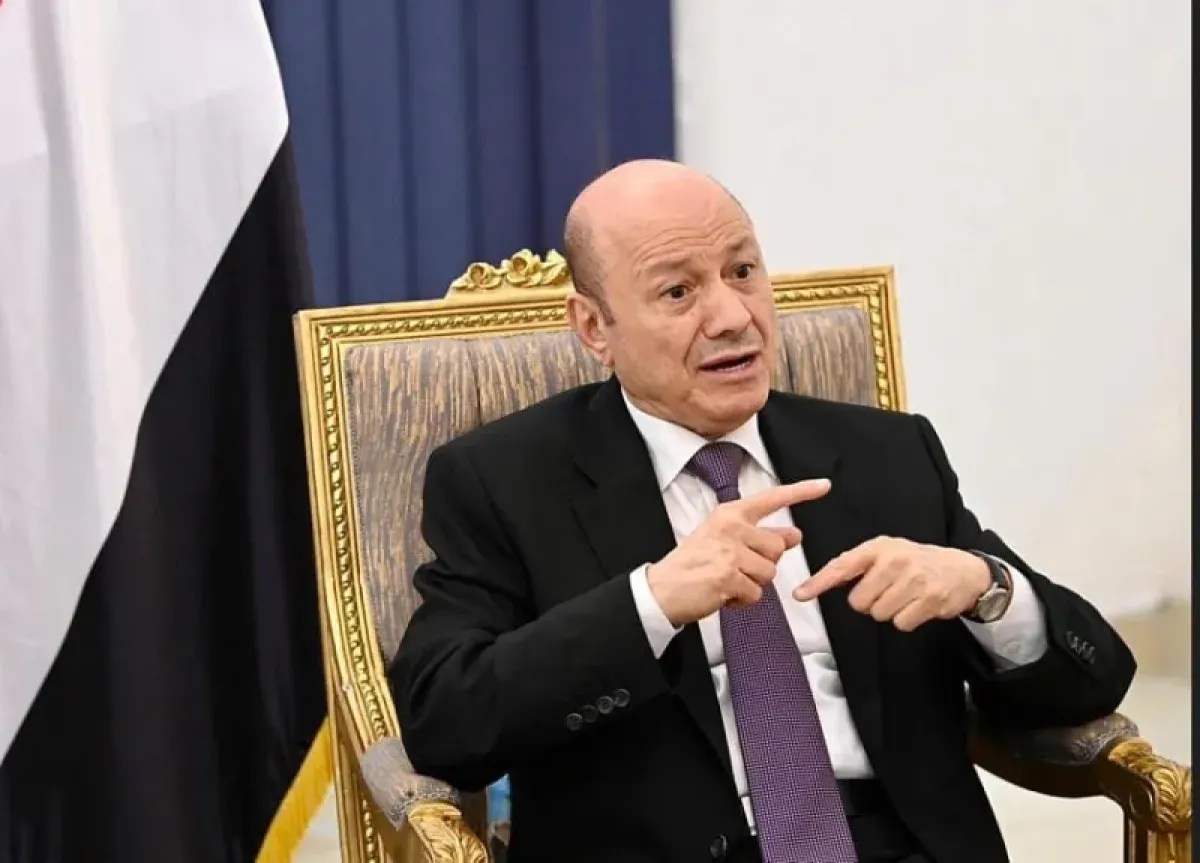
The analysis cited statements from Yemeni Presidential Leadership Council Chairman Rashad Al-Alimi and Foreign Minister Afrah Al-Zouba, who expressed that truces have been met with Houthi mobilization and escalation, and that relative calm periods have allowed the Houthis to rearm. The researchers pointed to the interception of at least six Iranian arms shipments bound for the Houthis during the recent truce as evidence of continued military supplies. The analysis warned that Houthi claims to southern Saudi territories fuel concerns that any settlement might merely be a temporary pause, enabling the group to regroup and prepare for future escalations.
The researchers called for the U.S. Treasury Department to impose sanctions on Houthi leaders involved in or supporting the siege, under the Global Magnitsky Act or other available legal authorities. They also advocated for listing Houthi leader Abdul-Malik al-Houthi as a Specially Designated Global Terrorist (SDGT), noting his continued absence from this list despite leading a U.S.-designated foreign terrorist organization. The analysis urged further sanctions tied to human rights violations against other Houthi officials, such as the Minister of Defense and Chief of Staff, to hold military and political leaders accountable for the siege and its humanitarian consequences. The FDD stressed that a series of sanctions linked to human rights abuses would send a message of accountability, rather than relying on measures that do not directly target those responsible.
Regarding the diplomatic track, the researchers emphasized that any agreement concerning the Taiz siege must include a clear commitment to reopening roads connecting the city to government-controlled areas. They argued that arrangements should not be limited to facilitating humanitarian aid to Houthi-controlled regions. This proposal places the opening of roads and freedom of movement at the core of any settlement, as the continued closure of routes not only impedes the movement of people and goods but also increases the cost of living and hinders access to essential services, medicines, and students, thereby maintaining continuous humanitarian and economic pressure on the city. The analysis concluded that addressing the humanitarian crisis in Yemen should not become a negotiation process that grants the Houthis political and military gains without enforceable commitments, asserting that any serious international action must combine aid facilitation with accountability for perpetrators and an obligation for the group to end the siege and open roads.