Israeli electoral authorities have dismissed allegations of fraud by Arab parties, promoted by Prime Prime Minister Benjamin Netanyahu, asserting that the election results accurately reflect voter intent.
The Central Elections Committee conducted an audit of 9,069 polling stations following complaints and stated that it was confident in the announced results. The committee found no evidence to suggest that the integrity of the election was compromised. Prime Minister Netanyahu had repeatedly alleged fraud by Arab-majority parties, citing arrests of individuals with cash envelopes on election day and claims of lawmakers receiving funds from Qatar. These allegations have previously been leveled against his own aides.
Israeli Attorney General Gali Baharav-Miara indicated she would not pursue interrogations without evidence, despite reports that the head of the Shin Bet security service, an ally of Netanyahu, sought to question Arab parties. Netanyahu's Likud party criticized the Attorney General, accusing her of obstructing an investigation and attempting to conceal alleged manipulation of the electoral process by foreign actors.
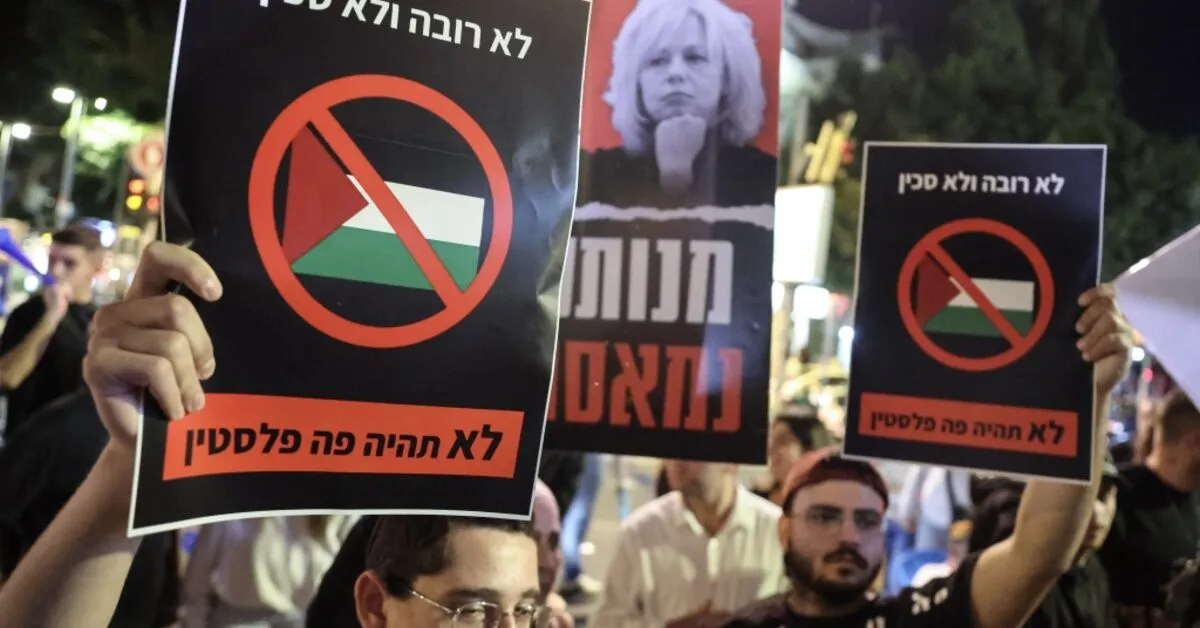
Gadi Eisenkot, a rival of Netanyahu and former military chief, accused Likud of orchestrating a "pogrom against democracy." Eisenkot is seeking to unite centrist and center-right factions to end Netanyahu's tenure. Earlier, Eisenkot had cautioned Netanyahu against initiating a conflict with the United States and Iran, which could potentially benefit Netanyahu by facilitating a unity government or delaying new elections.
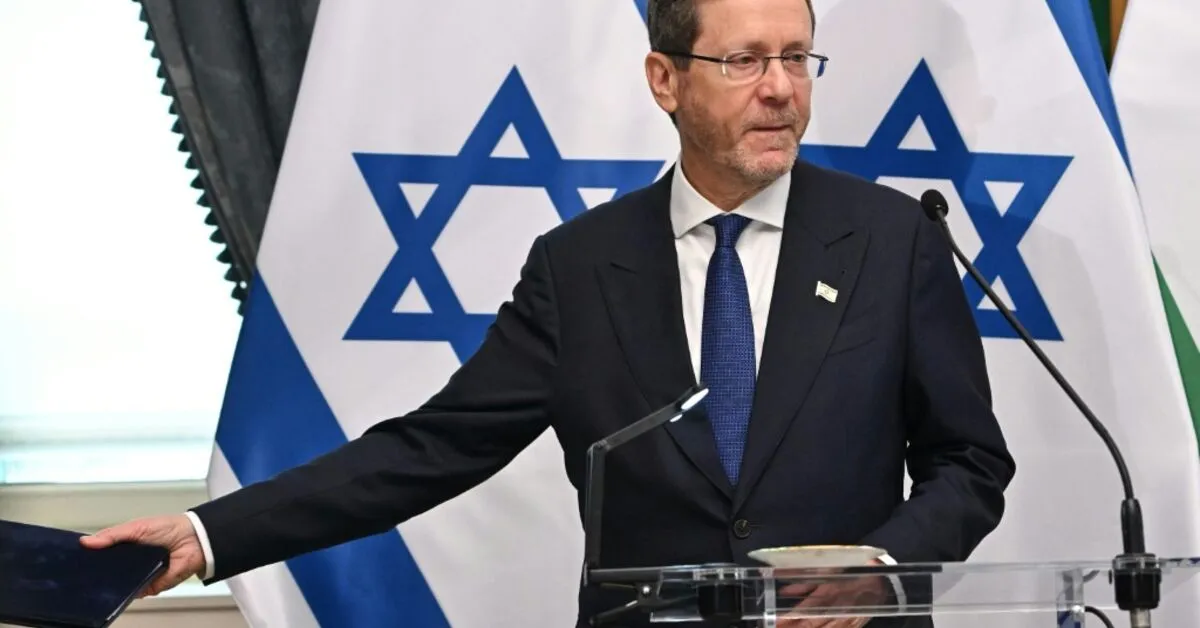
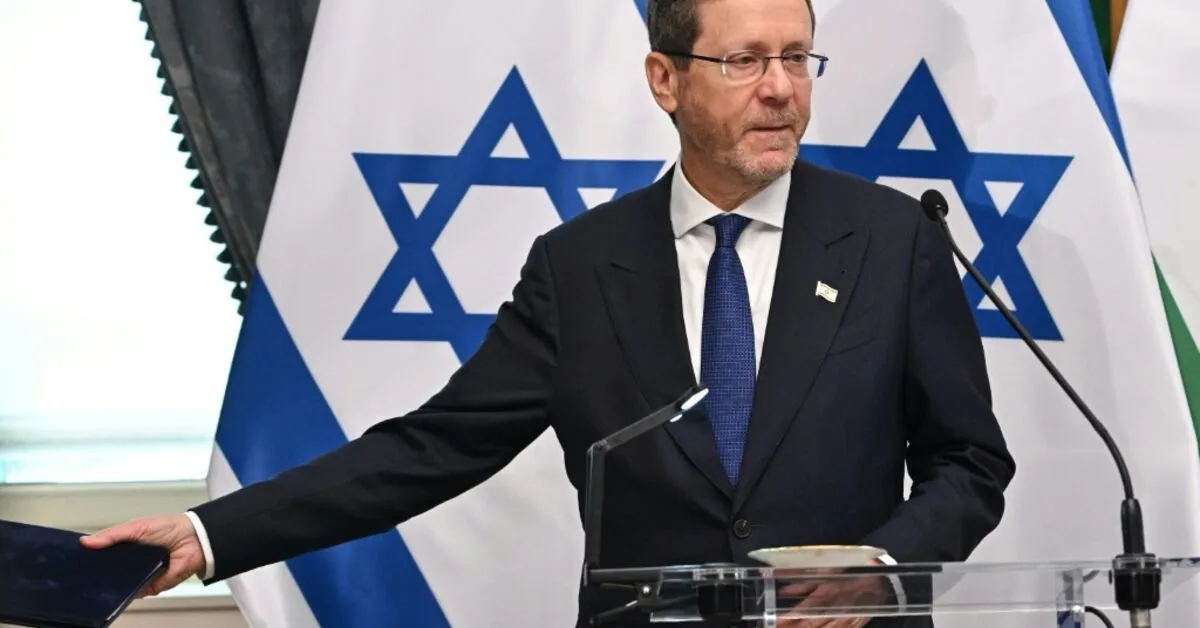
Yair Lapid, a former prime minister and key opposition figure, suggested that the recent "outbursts" from the Shin Bet, coupled with the results of the US midterm elections, have eliminated any possibility of a unity government led by Netanyahu. Netanyahu, Israel's longest-serving prime minister, has advocated for a "broad national government" with himself at its head. President Isaac Herzog, who officially receives the election results today, faces the decision of whether to grant Netanyahu or Eisenkot the first opportunity to form a government. Neither candidate commands a majority in the 120-seat parliament, with Netanyahu's bloc holding 53 seats and Eisenkot's bloc holding 48. Eisenkot could potentially secure the necessary 61 seats with the support of Arab minority parties, though some opposition members have expressed reservations about relying on such votes.
President Herzog will initiate consultations with political parties following the official receipt of the results. The process of forming a government allows 28 days, with a possible 14-day extension, for the designated leader to secure a majority. Failure to do so could lead to the mandate being offered to another individual or, ultimately, to new elections. Netanyahu himself required 58 days to form a government after the November 2022 election. Israel has held five elections between 2019 and 2022 due to repeated political deadlocks. Netanyahu is currently facing corruption charges, which could result in imprisonment if he loses power and consequently his immunity.