President Trump experienced significant defeats in the midterm elections across various races, including gubernatorial, senatorial, and House contests, prompting speculation about the decline of his political influence.
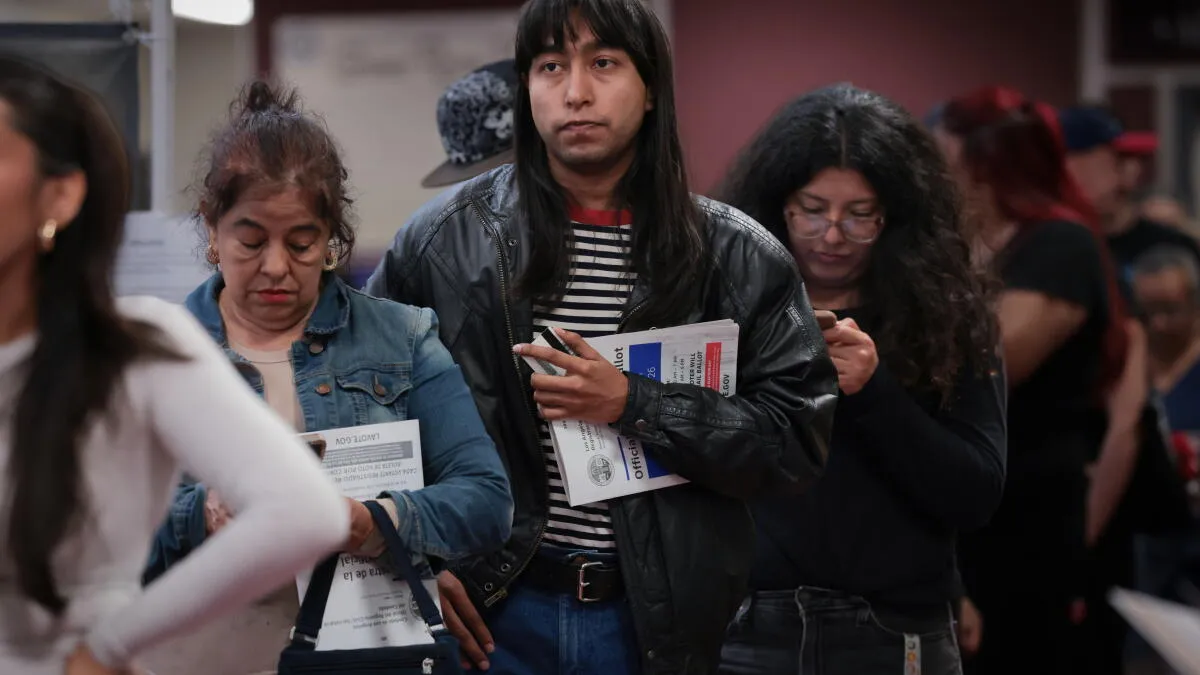
In a series of nationwide elections where Trump had urged voters to support candidates as if he were personally on the ballot, Democrats achieved substantial gains, securing control of both the House of Representatives and the Senate. Following these results, Trump attributed the losses to the perceived inadequacy of the candidates, a departure from his usual assertion of stolen elections.
The author suggests that Trump may recognize the end of his political career, noting that while the country has moved past a period of intense division, the Democratic Party, despite its victory, faces its own challenges, including an identity crisis and a lack of prominent presidential candidates.
Voters, according to the analysis, have expressed exhaustion with what they perceive as Trump's consistent dishonesty, insults, hatred, chaos, self-dealing, and lack of civility and humility. The article cites specific instances, such as Trump's remarks about Senator Abdul El-Sayed and his controversial comments about physical appearance, as examples of behavior that, while unsurprising to many, underscore a troubling trend.
The piece further posits that Trump's ability to overlook such conduct waned as his supporters began to question whether he was genuinely working on their behalf or solely pursuing personal gain. The author points to financial dealings and policy decisions, such as tariffs and the prolonged war in Iran, as factors contributing to voter dissatisfaction, particularly among working-class individuals who struggled with economic policies and rising gas prices.
The article concludes by suggesting that Trump, who once seemed to possess an unshakeable political base, has now lost the support of voters. The midterm elections are characterized not just as a defeat for Trump and the Republican Party, but as a significant awakening and a collective demand for better leadership, potentially uniting a divided nation in its rejection of his brand of politics.