Satellite observations have identified significant methane emissions from a landfill west of Istanbul, ranking it among the world's largest recorded sources, as Turkey prepares to host the COP31 climate summit where methane reduction is a key priority.
The findings, analyzed by researchers at the University of California, Los Angeles (UCLA) using data from the Tanager-1 satellite, highlight a substantial methane leakage rate from Turkey's waste sector. Methane, a potent greenhouse gas, is the second-largest contributor to climate change after carbon dioxide, and sharp reductions could quickly mitigate warming. Turkey is the fifth-largest global emitter of methane from solid waste, according to emissions tracker Climate TRACE.
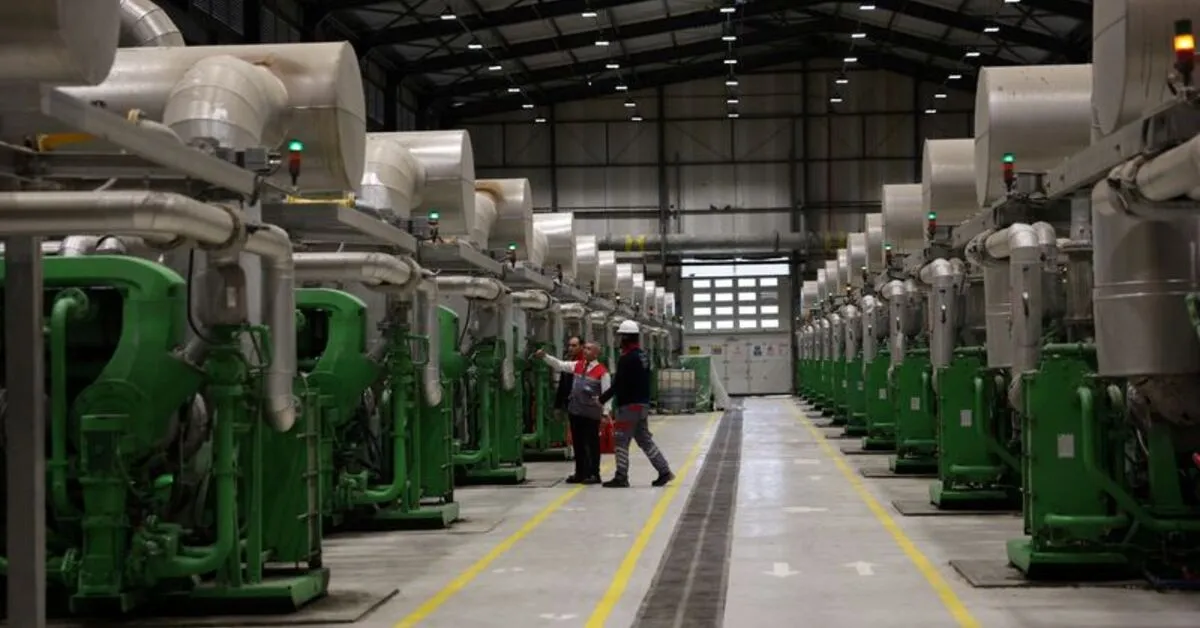
The UCLA analysis detected 70 methane plumes from Turkey's ten highest-emitting waste sites, with average leakage rates ranging from 841 kg to 7.4 metric tons per hour. Three of these sites are near Istanbul, with others located near Ankara, Izmir, and Antalya, the host city for COP31. While gas capture systems are common at larger landfills, their effectiveness in preventing substantial releases is questioned by these findings.
Tia Scarpelli, waste sector lead for Carbon Mapper, emphasized the significant potential for emissions reduction by targeting these major landfills. She suggested improvements in organic waste diversion before disposal and enhanced capture systems, including repairs to collection infrastructure. The landfill west of Istanbul registered an average detected rate of approximately 7.4 tons per hour, nearly matching the highest globally recorded rates.
In response, Turkey's Ministry of Environment stated that the satellite data lacks continuous measurement and cannot be used for definitive annual emission calculations. The ministry pointed to the country's Zero Waste Initiative, which aims to decrease landfill waste and associated methane emissions, noting an increase in the national waste recovery rate to 37.53% in 2025 from 13% in 2017. Officials from the municipal operator ISTAC disputed the satellite readings, citing specific operational conditions on the day of measurement that may have inflated the figures, such as uncovered areas and work on gas collection pipes.
Data from the World Bank indicates that methane emissions from Turkey's waste sector increased by nearly 25% between 2014 and 2024, a rate significantly higher than the global average. Despite the urgency of methane reduction, Turkey is not a signatory to the Global Methane Pledge, launched at COP26 to achieve a 30% cut in methane emissions by 2030. Experts suggest that while Turkey has developed waste disposal infrastructure, its waste management, recycling, and recovery systems lag behind European standards, underscoring the need for stronger regulations to drive methane capture and reuse.