The Yemeni government is undertaking diplomatic efforts in European capitals to galvanize international engagement that extends beyond political condemnations, aiming for practical measures to support state institutions and address the escalating security, humanitarian, and economic challenges.
This European tour, led by the Minister of Foreign Affairs and Expatriates, Afrah Al-Zouba, included visits to Paris and Berlin. It occurs amid rapid military developments, including the launch of "Operation Dawn of Yemen," and significant challenges to the security of Aden, Taiz, the West Coast, and the Bab al-Mandeb strait. The ongoing humanitarian crisis and the diminishing capacity of government institutions to meet citizens' needs further underscore the urgency of these discussions.
The agenda in Europe indicates that Yemen's diplomatic initiative aims to reshape the international community's approach to the crisis by linking military escalation, threats to international navigation, and the humanitarian crisis. It emphasizes the international community's responsibility to support the internationally recognized government and empower it to fulfill its sovereign functions.
In Paris, Minister Al-Zouba held discussions with the French Minister of Europe and Foreign Affairs, Jean-Noël Barrot, focusing on the evolving situation in Yemen, military escalation, and its impact on civilians, regional security, and international navigation. She delivered a letter from the Chairman of the Presidential Leadership Council, Dr. Rashad Al-Alimi, to French President Emmanuel Macron. France reiterated its support for the Yemeni government, condemned Houthi attacks, and described the siege of Taiz as a blatant violation of international law, stressing the importance of a UN-sponsored comprehensive political process.
In Berlin, the Yemeni delegation engaged in broader political, economic, humanitarian, and security discussions with German Foreign Minister Annalena Baerbock and other government and parliamentary officials. Germany announced an additional €10 million in humanitarian aid for Yemen, bringing its total contribution for the current year to €38 million. Discussions also covered enhancing the capabilities of the Yemeni Coast Guard to protect territorial waters and secure international trade routes. These outcomes suggest that Yemen's diplomatic efforts are moving towards practical support in humanitarian response, capacity building, and safeguarding international interests.
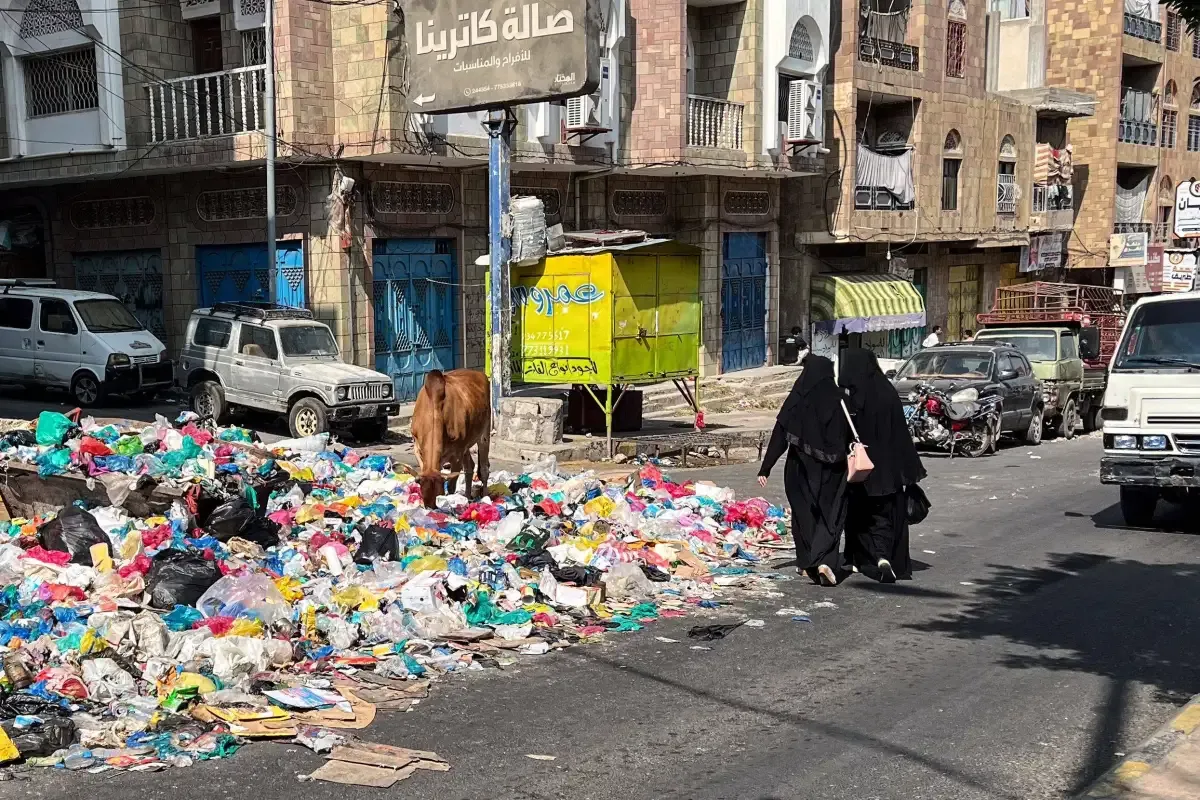
A central focus of the European tour was the humanitarian catastrophe in Taiz, which continues to suffer from a protracted siege and restricted access for civilians and essential supplies amid intensified fighting. The Minister provided detailed accounts of the siege's impact, particularly on women, children, and the sick, highlighting difficulties in accessing medical aid and evacuating critical cases. The European Union previously condemned the Houthi escalation and pledged an additional €25 million in humanitarian assistance. However, the true challenge lies in ensuring aid reaches those in need and translating political stances into concrete actions to end the siege and protect civilians.
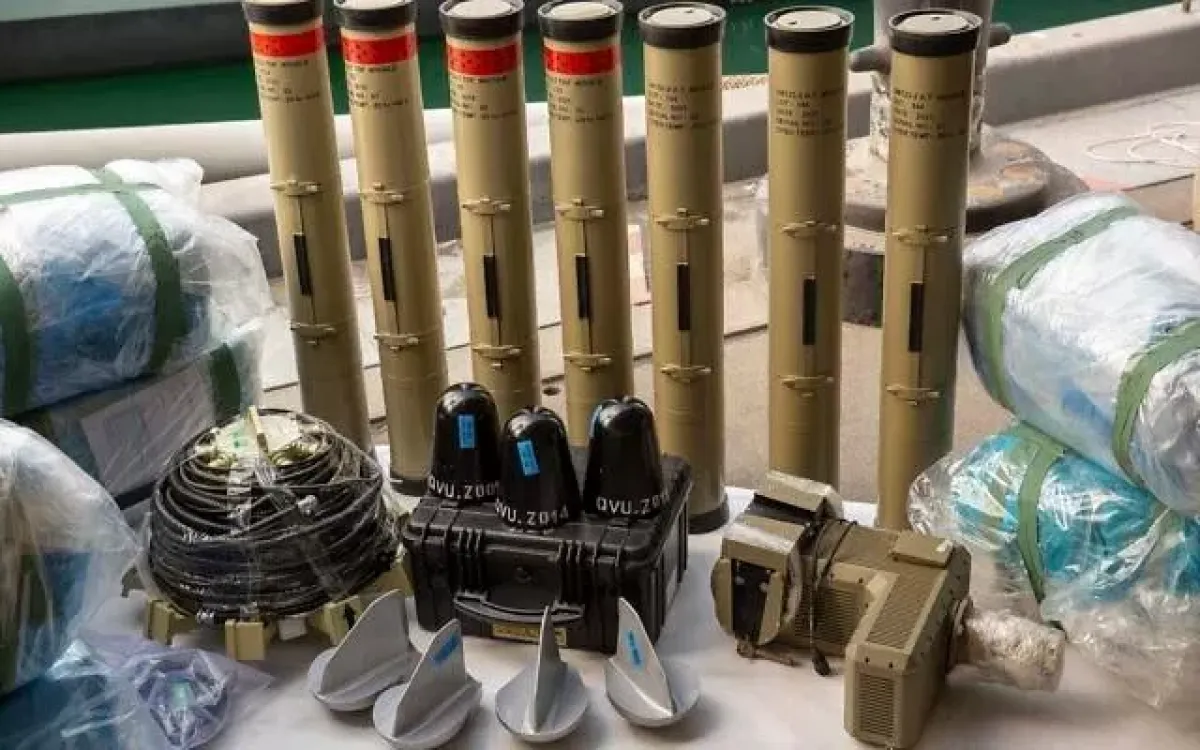
The security of international navigation, particularly in the strategic Bab al-Mandeb strait and the Red Sea, was also a key agenda item. The Yemeni government highlighted that threats to these maritime routes are now a direct concern for European nations and the international community, potentially increasing global attention on Yemen. Discussions included the risks posed by military escalation on the West Coast and calls for stronger stances against Iranian military support for the Houthis, including cutting off funding and arms supplies. The possibility of designating the Houthi group as a terrorist organization was also raised as a means to exert greater international pressure.
While the European tour has yielded promising indications, the success of Yemeni diplomacy will ultimately be measured by tangible results on the ground. Yemen requires a clear international commitment that supports its legitimate institutions, economic and security capabilities, protects civilians, opens roads, and ends blockades, rather than mere statements of concern. Furthermore, the effectiveness of external engagement hinges on the government's ability to present a cohesive national vision, strengthen state institutions, improve their performance, and unify political and military priorities, ensuring that international support contributes to the restoration of the state.