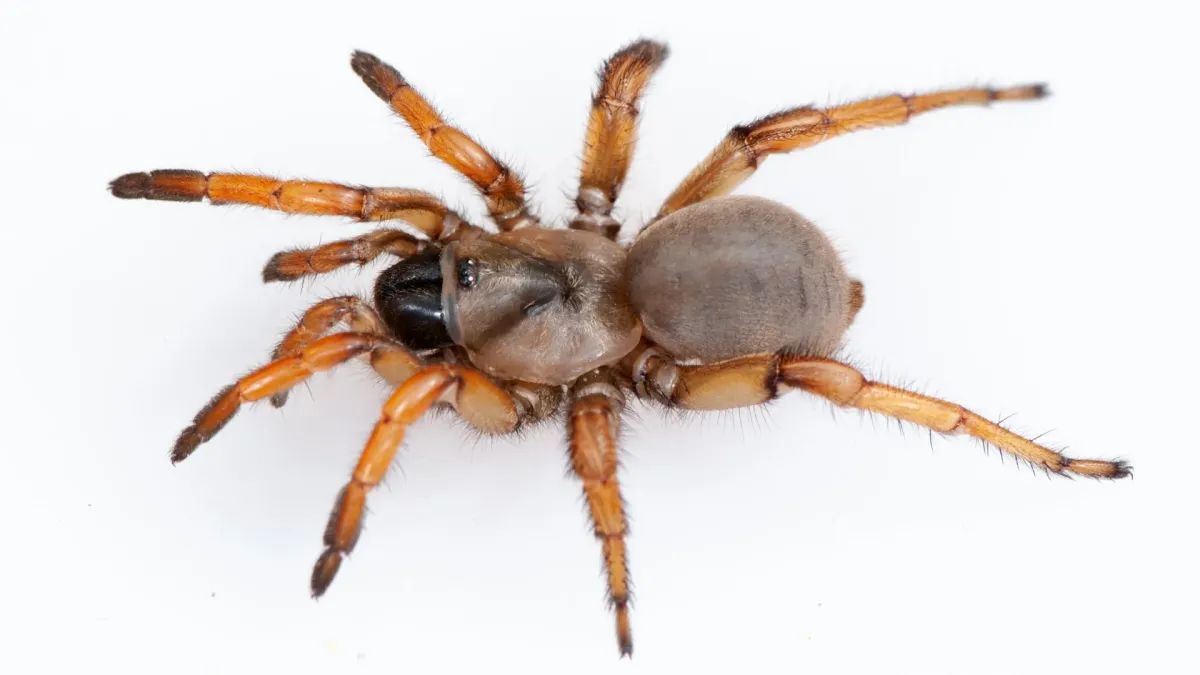
A tiny California spider, humorously named Aptostichus stephencolberti after comedian Stephen Colbert, has scientists buzzing due to its surprisingly massive genome – a full 50% larger than the human genome.
This trapdoor spider, found in California's coastal dunes, might be small enough to fit on a quarter, but its genetic makeup is anything but diminutive. The species' enormous genome, boasting 4.6 billion DNA base pairs, is a significant find, especially since this is the first time scientists have sequenced the genome of a spider from this particular family. The research, published in the Journal of Heredity, highlights the extraordinary amount of DNA packed into this secretive creature.
Aptostichus stephencolberti spends most of its life hidden underground in silk-lined burrows, complete with a camouflaged, hinged entrance. These spiders are skilled ambush predators, relying on vibrations to detect unsuspecting prey before bursting out to capture their meal. Despite their hunting prowess, their venom is not considered dangerous to humans.
The spider's DNA is packed with more than just size. It contains 52 chromosomes, more than the 46 found in humans, but a larger genome doesn't automatically mean more genes. In this spider, about 77% of its genetic material consists of repetitive DNA sequences. Intriguingly, spider chromosomes appear to lack the typical repetitive DNA sequences found at the ends of human chromosomes (telomeres), which might explain why spider chromosomes seem to evolve more rapidly.
The spider's namesake comes from a 2008 "Colbert Report" segment where Stephen Colbert playfully demanded a spider be named in his honor after a rock musician received a similar tribute. The research also has conservation implications, as the spider's limited range makes it vulnerable to habitat changes like rising sea levels and invasive species.
Beyond evolutionary insights and conservation efforts, studying this spider's genome could unlock new medical and agricultural breakthroughs. Scientists are hopeful that understanding spider genetics will lead to the discovery of novel compounds in their venom, potentially useful as painkillers or pest control agents.