NASA is revamping its strategy to land astronauts on the Moon by 2028, featuring dual lunar lander tests, streamlined rocket prep, and a lighter spacesuit to speed up lunar exploration. Agency leaders detailed the updated Artemis program, which now includes a 2027 test flight and a crewed lunar landing in 2028, aiming for quicker, safer, and more affordable missions.
The Artemis III mission will serve as a crucial rehearsal in Earth orbit, testing lunar landers from SpaceX and Blue Origin. Four astronauts aboard NASA's Orion spacecraft, launched by the Space Launch System (SLS) rocket, will practice rendezvous and docking with test versions of both companies' landers. This sequence ensures vital spacecraft capabilities are verified before the 2028 landing attempt.
Significant progress has also been made in optimizing rocket preparation, slashing timelines by about 50%. NASA highlighted its ability to redesign and manufacture critical rocket components in-house, reducing costs and rebuilding core engineering competencies. This focus on internal capabilities is key to shortening development cycles and lowering mission costs.
For the 2028 Artemis IV landing, NASA is evaluating two potential upper stages for the SLS rocket to maintain flexibility. Both SpaceX and Blue Origin are developing distinct lunar landing systems, with SpaceX using its Starship and Blue Origin its Blue Moon lander, providing NASA with dual pathways for crewed lunar surface access.
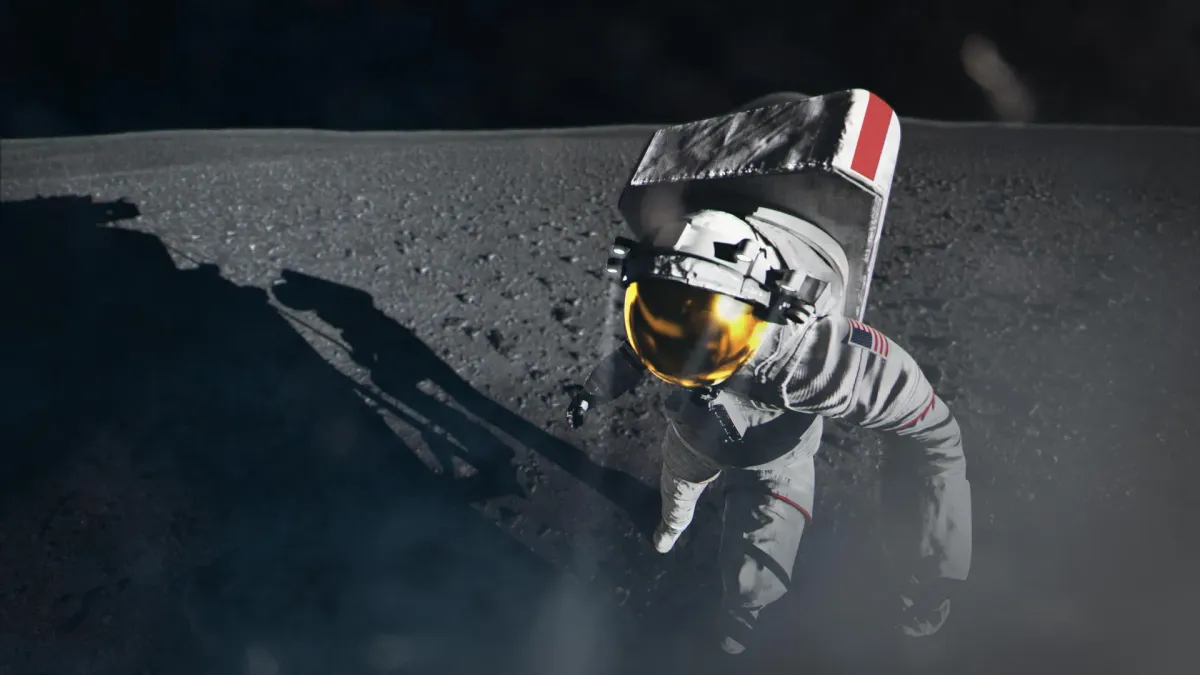
A new, lightweight "Sortie suit" designed with Axiom Space is also set to expedite lunar surface excursions. Weighing about half as much as the primary suit, it's tailored for initial Moonwalks, though Axiom's more robust suit will be used for longer, more demanding missions.
NASA's long-term vision goes beyond brief visits, aiming for a sustained human presence on the Moon to foster scientific discovery, economic benefits, and technological advancements. This lunar experience is viewed as a vital stepping stone for future missions, including sending the first astronauts to Mars.