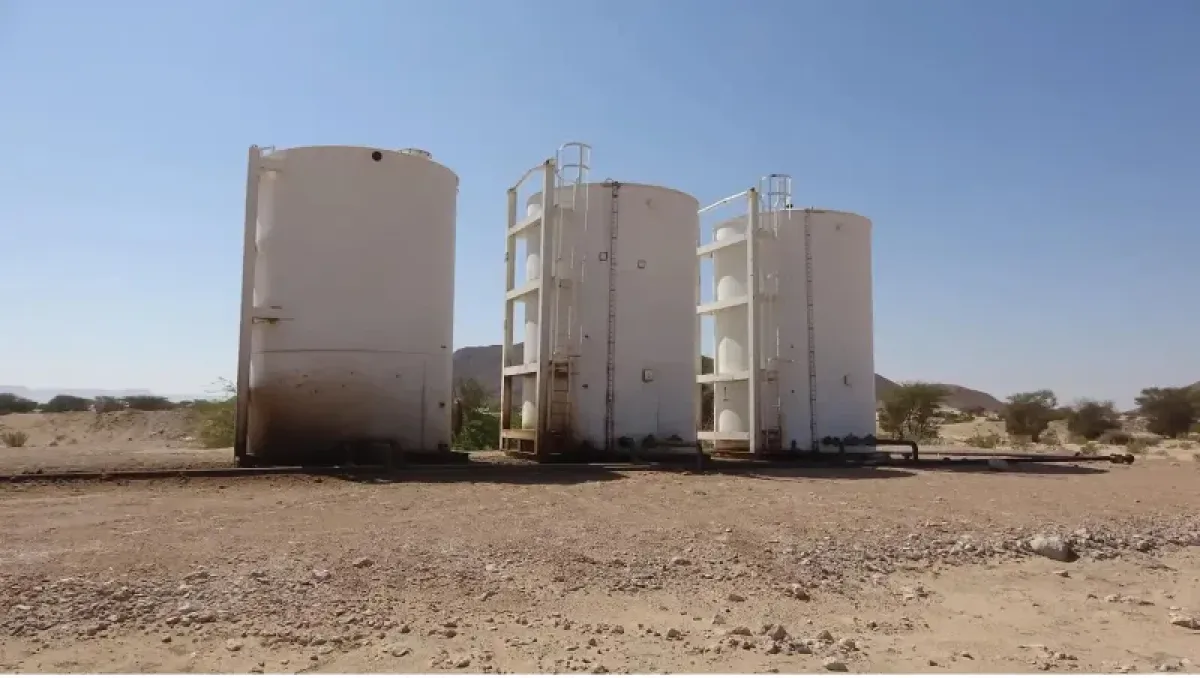
In a starkly paradoxical situation, vast quantities of crude oil have been accumulating in the fields and ports of Hadhramaut and Shabwah governorates for over three years, while the interim capital, Aden, grapples with one of the worst electricity crises in recent memory.
This disparity between idle abundance and urgent need raises legitimate questions about the efficacy of maintaining such a reality, which deprives citizens of the benefits of a national resource that could significantly alleviate their daily suffering.
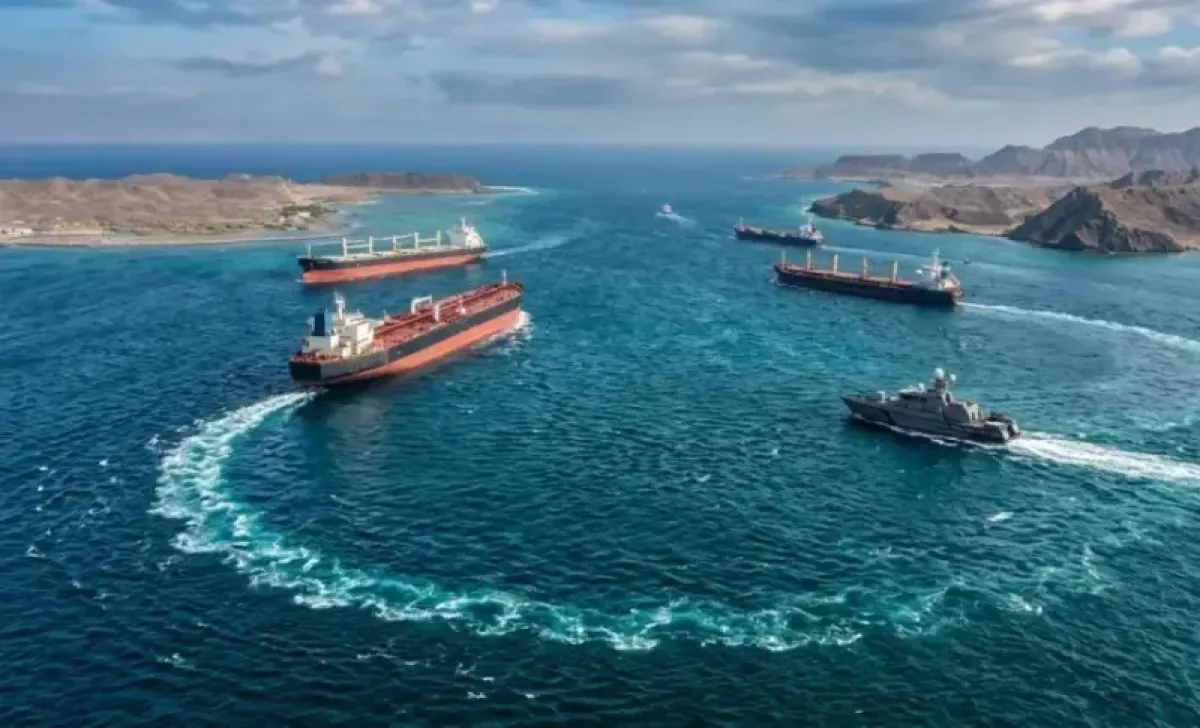
Since the cessation of crude oil exports to international markets due to repeated Houthi threats against oil terminals with drones, the national economy has lost one of its most crucial revenue streams. The producing governorates have found themselves with increasing amounts of unutilized oil. In the absence of sufficient local projects to utilize this production, the oil has become a dormant asset rather than a driver of development and improved services.
Although Hadhramaut and Shabwah host the country's main oil fields, the residents of these governorates have not directly experienced the impact of this accumulated oil. This is due to the lack of crude oil-powered electricity stations capable of consuming these quantities and converting them into services that benefit citizens' lives. Conversely, Aden possesses the "Petromasila" power station, originally designed to run on crude oil and requiring continuous fuel supplies to maintain stable electricity production.
Currently, Aden faces an exceptional challenge with increasing power outages, soaring temperatures, and growing energy demand. The fuel crisis has become a primary factor threatening the continuous operation of power generation stations, directly impacting the lives of millions of residents and various economic, service, and health sectors.
Given these circumstances, supplying Aden with sufficient quantities of crude oil accumulated in Hadhramaut and Shabwah to operate the main power station appears to be a more practical and logical option than ever before. Instead of remaining as an unused stockpile, the oil could be utilized to generate electricity, alleviate the suffering of Aden's citizens, and maintain the stability of essential services.
The current challenges necessitate a national vision based on integration between governorates, rather than narrow calculations. Aden's success in overcoming the electricity crisis does not solely benefit its residents but reflects on the overall economic, commercial, and service activities upon which various governorates depend. Furthermore, utilizing the accumulated oil to serve citizens represents a practical model for managing national resources according to the priorities of the current phase.
As living pressures intensify and service crises worsen, there is an urgent need for bold and responsible decisions that prioritize the citizen's interest above all else. Between the overflowing oil tanks in Hadhramaut and Shabwah, and the neighborhoods plunged into darkness in Aden, lies a genuine opportunity to transform a dormant resource into energy, life, and hope for millions of citizens awaiting tangible solutions that can no longer be postponed.