Citizens in Yemen's government-controlled areas are facing a significant increase in the prices of solar power systems, a direct consequence of the administration's decision to liberalize the customs dollar exchange rate. This move has exacerbated the ongoing electricity crisis, forcing many to bear additional financial burdens.
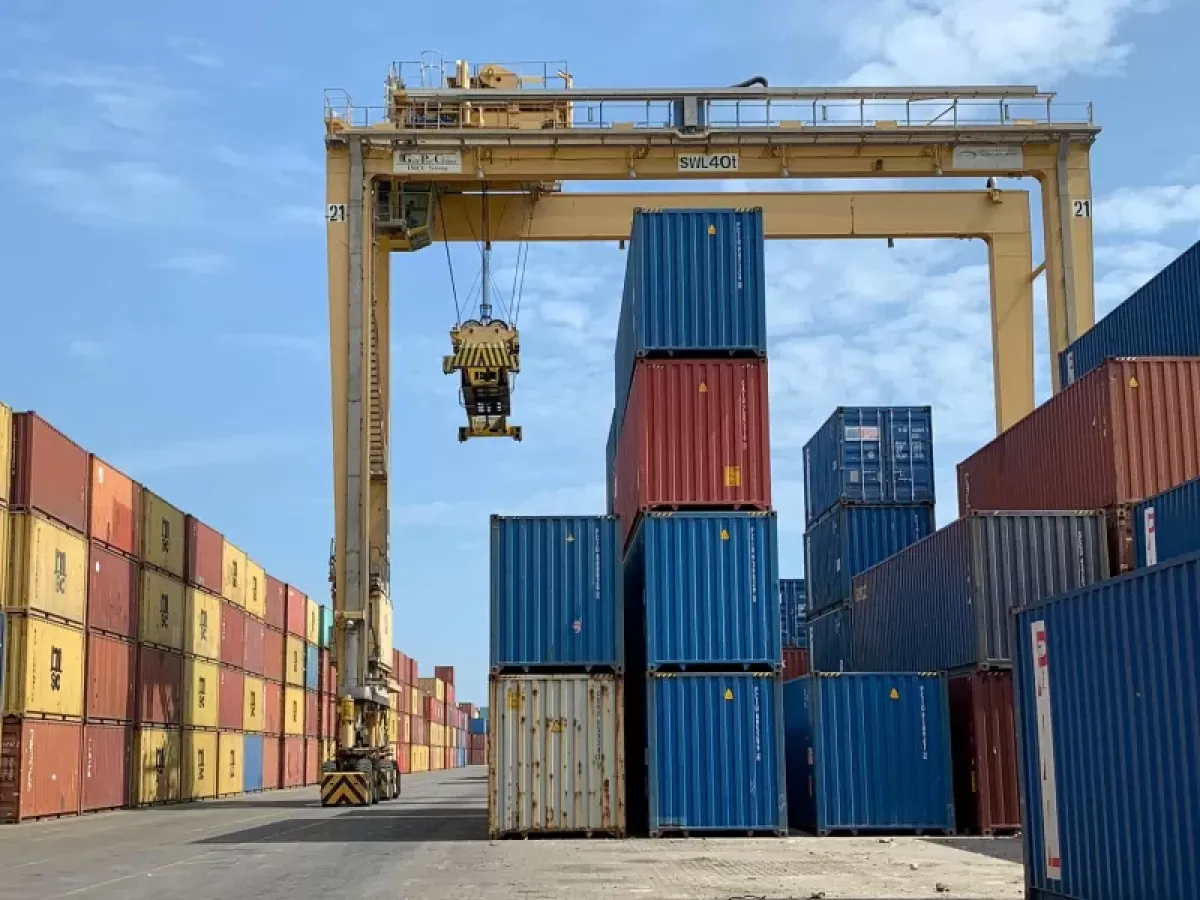
The Yemeni government, based in the interim capital of Aden, implemented a decision in mid-May to adjust the exchange rate used for calculating customs duties on imported goods. Previously, a fixed rate of 750 Yemeni Rials to the dollar was applied. The new policy adopts the prevailing market exchange rate, which currently stands at approximately 1,570 Rials per dollar, effectively more than doubling customs fees.
Government officials had attempted to allay public concerns, asserting that the decision would not impose additional burdens and would exempt essential goods. The measure was specifically targeted at luxury and non-essential items, which, according to the government, included solar power systems—a recourse many citizens have turned to amid an eleven-year-long failure by the government to resolve the electricity shortage.
These solar systems, comprising panels, lithium batteries, chargers, inverters, and accessories, have become a crucial alternative power source for residents in areas like Aden, where official electricity service is limited to approximately four hours daily, contrasted with twenty hours of outages. The demand for electricity significantly outstrips generation capacity, with demand exceeding 650 megawatts while generation hovers around 200 megawatts.
The chronic electricity deficit has compelled a substantial portion of the private sector and ordinary citizens to invest in solar energy solutions. However, the recent increase in customs duties has driven up the cost of these systems by an estimated 20% to 30%. Many families have reportedly resorted to selling personal assets, including gold, to afford systems like a 5-kilowatt unit, which costs around $2,000 USD—a prohibitive sum for most Yemeni households.
Traders in Aden's gold market report that approximately 80% of gold sales are now motivated by citizens' desire to acquire solar power systems. Residents have expressed frustration, viewing the price hikes as further impediments to securing alternative electricity, especially as the summer season, which typically intensifies the crisis, approaches. They criticize the government for compounding their hardship, not only failing to provide basic services but also increasing the cost of essential alternatives.