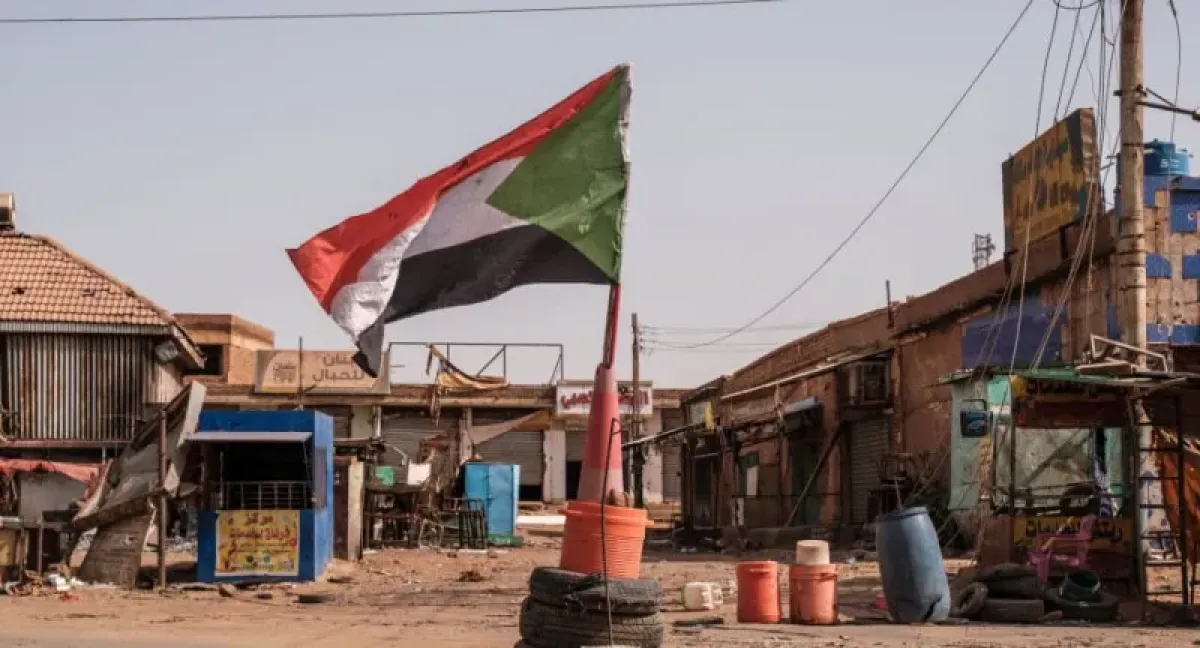
As the Muslim Brotherhood's influence wanes across many Arab nations due to bans, terror designations, and political marginalization, Sudan has emerged as a critical stronghold for the organization's survival and continued state institutional impact. The ongoing conflict, which erupted in April 2023, has created complex military and security alliances that have inadvertently returned the group to a prominent position in the nation's affairs.
While the Brotherhood's presence has diminished in Egypt and significantly declined in Tunisia, facing increased scrutiny and suppression in several Arab countries, the Sudanese Islamic Movement has maintained its foothold within decision-making centers. This is facilitated by an extensive network of leaders in military, security, and economic sectors, as well as armed factions, leading Sudan to be described as the organization's final refuge in the region.
Observers note that the Sudanese war has transcended a simple conflict between the army and the Rapid Support Forces (RSF). It has become a theater where influence within the state is being redrawn. Islamic Movement-aligned leaders have reportedly regained positions after years of decline following the fall of former President Omar al-Bashir's regime in 2019.
The Sudanese army chief, Lieutenant General Abdel Fattah al-Burhan, leads the current landscape. Although his leadership denies any organizational ties to the Islamic Movement, a series of decisions made in recent years have seen figures and leaders connected to the former regime return to political and security prominence. Key among these actions was the dissolution of the committee tasked with dismantling the Ingaz regime's influence within state institutions, alongside the release of several Islamic Movement leaders, which analysts interpreted as a sign of the group's resurgent influence.
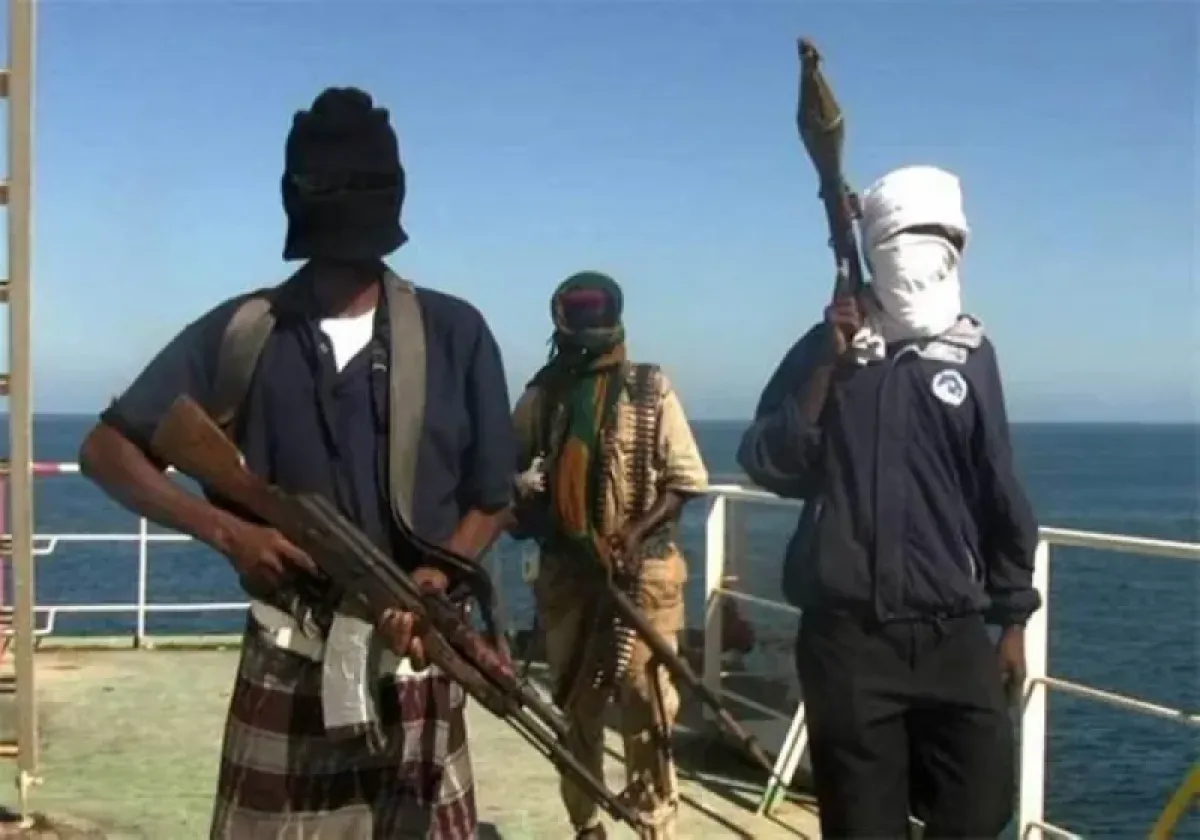
The past period has also witnessed a noticeable increase in the role of Islamic fighting battalions alongside the Sudanese army on various fronts, a fact acknowledged by Sudanese military officials, including Lieutenant General Yasser al-Atta. The involvement of these formations in military operations has been openly discussed.
Furthermore, Lieutenant General Mirghani Idris, director of the Defense Industries System, has been sanctioned by the U.S. Treasury Department for alleged involvement in arms deals and support for military capabilities during the ongoing conflict. This Islamic presence extends beyond the military to security and intelligence agencies, which observers suggest have undergone restructuring, allowing elements linked to the former regime to return to influential positions.
In this context, the Director-General of Intelligence, Ahmed Ibrahim Mufaddal, oversees sensitive security files amid accusations of reactivating security structures associated with what was known as "Popular Security," a prominent arm of the Islamic Movement during al-Bashir's rule. Lieutenant General Security Mohammed Abbas al-Labeeb, deputy director of intelligence, is also a key figure, with reports indicating his supervision of the movements and coordination of Islamic battalions participating in combat, in collaboration with operational units that have re-established their presence during the war years.
Behind the scenes, prominent figures of the Sudanese Islamic Movement, including Ali Osman Mohamed Taha, Ali Karti, and Ahmed Haroun, continue to exert their political and organizational influence through extensive networks within state institutions, the army, security agencies, and the economy.
With the expansion of the war, several armed formations with Islamic backgrounds have emerged as impactful forces on the battlefield. Among these is the Al-Bara' bin Malek Brigade, led by Al-Misbah Abu Zeid Talha, which the U.S. Department of State has designated as a foreign terrorist organization, accusing its members of violence and abuses during the conflict. Other active formations include the Shadow Battalions, Special Operations, the Solid Foundation Battalion, the Swift Lightning Battalion, and the Lions' Den Battalion, which coordinate to varying degrees with regular forces.
Analysts suggest these battalions are now a primary tool for the Islamic Movement to maintain its military and political influence, posing an additional challenge to future efforts to professionalize military and security institutions, free from partisan and organizational loyalties. The United States recently designated the Muslim Brotherhood in Sudan as a Specially Designated Global Terrorist entity, reflecting growing international concerns about the expanding influence of Islamist groups in the Sudanese conflict.
The U.S. State Department stated the decision was based on accusations of involvement in violence against civilians, obstruction of peace efforts, and intelligence suggesting some members received training and logistical support from entities linked to Iran's Revolutionary Guard Corps. Washington also cited allegations of collective executions and grave human rights abuses by group-affiliated members during the ongoing conflict, potentially opening avenues for legal accountability and international sanctions.
Experts believe this designation could become an additional pressure tool on parties linked to the Islamic Movement within Sudan and may help to move stalled negotiations forward, especially amid increasing international concern over the prolonged war, escalating chaos, and humanitarian collapse.
As the war enters its fourth year, the Sudanese crisis has evolved beyond a conventional military conflict into a battle for the state's identity and institutional future. While the army provides political and military cover for participating Islamic battalions, the Islamic Movement offers mobilization networks, support, funding, and fighters. Analysts see this dynamic as contributing to the war's prolongation and complicating prospects for a comprehensive political settlement.
With ongoing battles and escalating humanitarian and economic crises, Sudan faces a critical challenge regarding its state and institutional future. Growing fears suggest that the continued influence of armed ideological groups could hinder any path toward peace and stability, leaving Sudanese citizens as the ultimate losers in a conflict intertwined with military, political, and organizational calculations.
Sudanese political analyst Atef Abdullah attributes a significant portion of the current crisis to the failure of political forces to identify the primary adversary hindering democratic transition since the fall of Omar al-Bashir's regime. He asserts that the Muslim Brotherhood, through decades of security, economic, and organizational influence networks, has successfully reorganized and reasserted its presence within state institutions, exploiting the division among civilian and revolutionary forces. Abdullah claims the organization has shifted the conflict's focus from confronting empowerment and autocracy to internal disputes among revolutionary factions, enabling its renewed expansion within the state apparatus, army, and security agencies.
He emphasizes that confronting this influence requires dismantling the economic and organizational structures that have been the group's power base for decades, alongside bringing all weaponry under legitimate state authority to prevent parallel influence centers. The success of any national project to overcome the current crisis, he contends, hinges on the ability of civilian forces to regain unity, overcome differences, and focus on building a comprehensive democratic project based on freedom, justice, and the rule of law. Sudan, he concludes, is at a pivotal moment requiring a reassessment of national priorities to prevent the recurrence of crises that led to war and division.
Abdullah concludes that the Sudanese struggle should not be against ideas or political affiliations themselves, but against any project seeking to monopolize the state and its institutions for a specific group or organization. He affirms that building a stable and democratic Sudan will only be achieved through broad national consensus and prioritizing national interest above narrow partisan and ideological considerations.