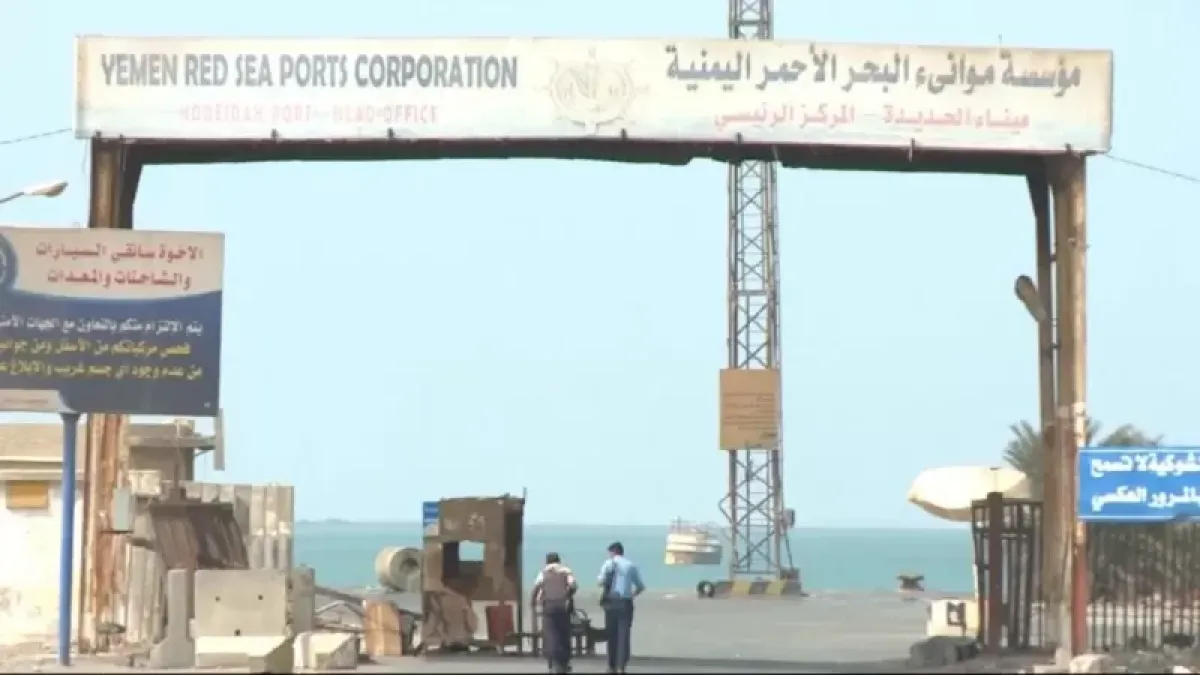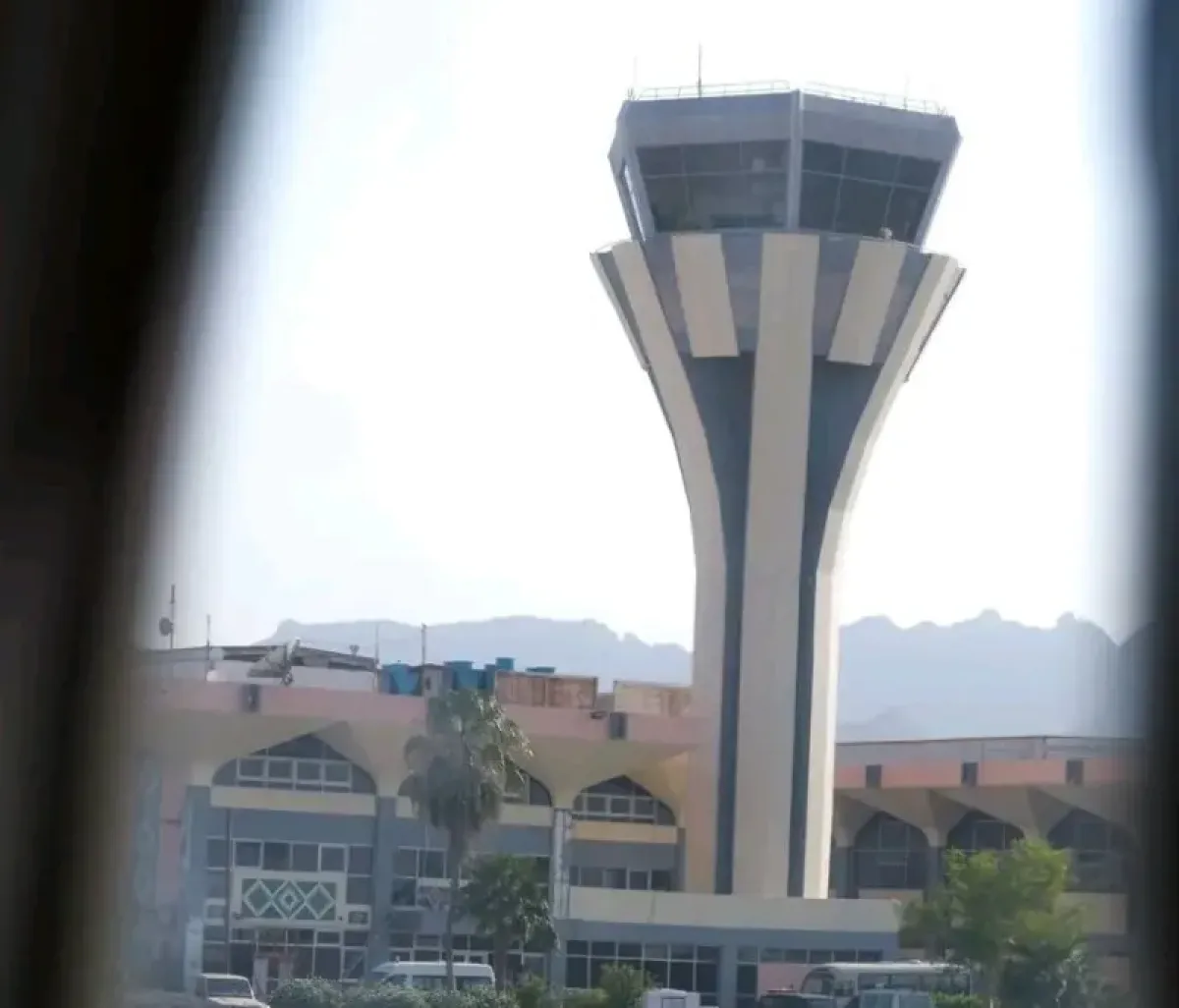
Conflicting directives from governmental aviation authorities on Monday caused significant disruption to air traffic. The General Authority of Civil Aviation and Meteorology initially announced the closure of all Yemeni airports, a decision later refuted by the Ministry of Transport, which confirmed the resumption of normal flight operations.
The confusion began when the General Authority of Civil Aviation and Meteorology issued a directive, number (01-2026), addressed to airlines and international organizations operating in Yemen. This directive mandated the immediate closure of all airports to air traffic until further notice.
This announcement followed security developments related to Sana'a International Airport. The Yemeni Ministry of Defense had previously declared that the airport's runway was targeted to prevent the landing of an Iranian aircraft reportedly carrying a delegation from the Houthi militia, arriving from Tehran. The aircraft subsequently altered its course and landed at Hodeidah Airport.
The initial directive's impact was not confined to administrative channels; it had tangible consequences on flight operations. A Yemen Airways flight arriving from King Abdulaziz International Airport in Jeddah, which was nearing Aden Airport, was forced to divert and make an emergency landing at Djibouti International Airport. Passengers were stranded awaiting clarification of the situation and the resumption of their journey.
However, the situation became more complicated approximately one hour after the Authority's announcement, when the Ministry of Transport issued a statement denying the validity of the circulated document. The Ministry asserted that the reported closure of all airports, attributed to the General Authority of Civil Aviation and Meteorology, was inaccurate.
The Ministry affirmed that all airports managed by the government continue to operate normally, with air navigation and flight schedules proceeding according to approved operational programs. It urged media outlets and the public to obtain information from official sources and refrain from disseminating unconfirmed reports.
This contradiction has raised questions regarding decision-making processes and coordination between governmental institutions. The initial directive was issued by the body responsible for regulating air navigation, only to be denied by the ministry overseeing the sector, even as the directive's consequences were already affecting air traffic and passengers.
Observers suggest that this discrepancy highlights a lack of coordinated management of civil aviation matters, particularly amid sensitive security conditions. It has led to confusion for airlines and travelers and undermined confidence in official communications from relevant authorities.
Aviation specialists emphasize that crisis management in the air transport sector requires high-level institutional coordination and unified official messaging, especially given the prevailing security developments. They warn that conflicting information can exacerbate financial losses for airlines, increase passenger hardship, and further disrupt air navigation at liberated airports.