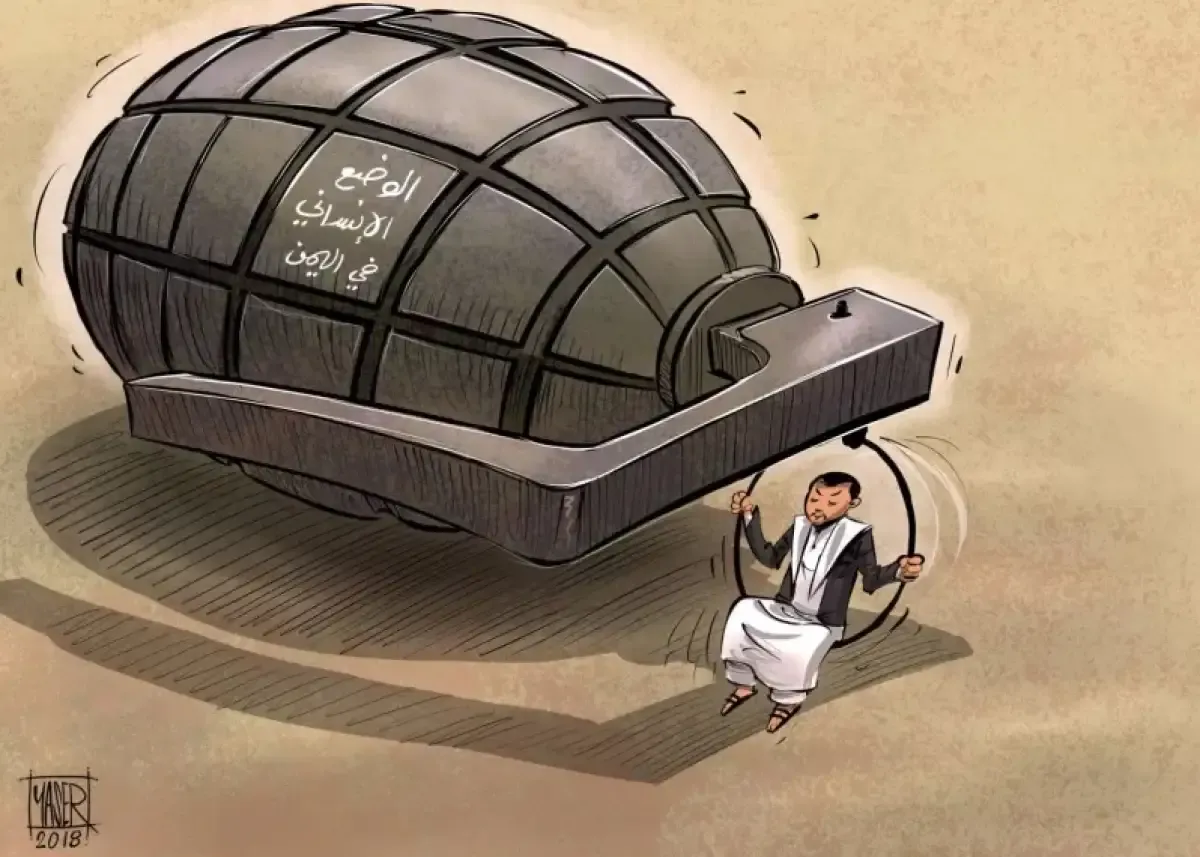
On World Humanitarian Day, Yemen confronts escalating needs and diminishing relief capacities, grappling with the cascading effects of over a decade of conflict compounded by economic downturn, climate shocks, and severe funding shortfalls.
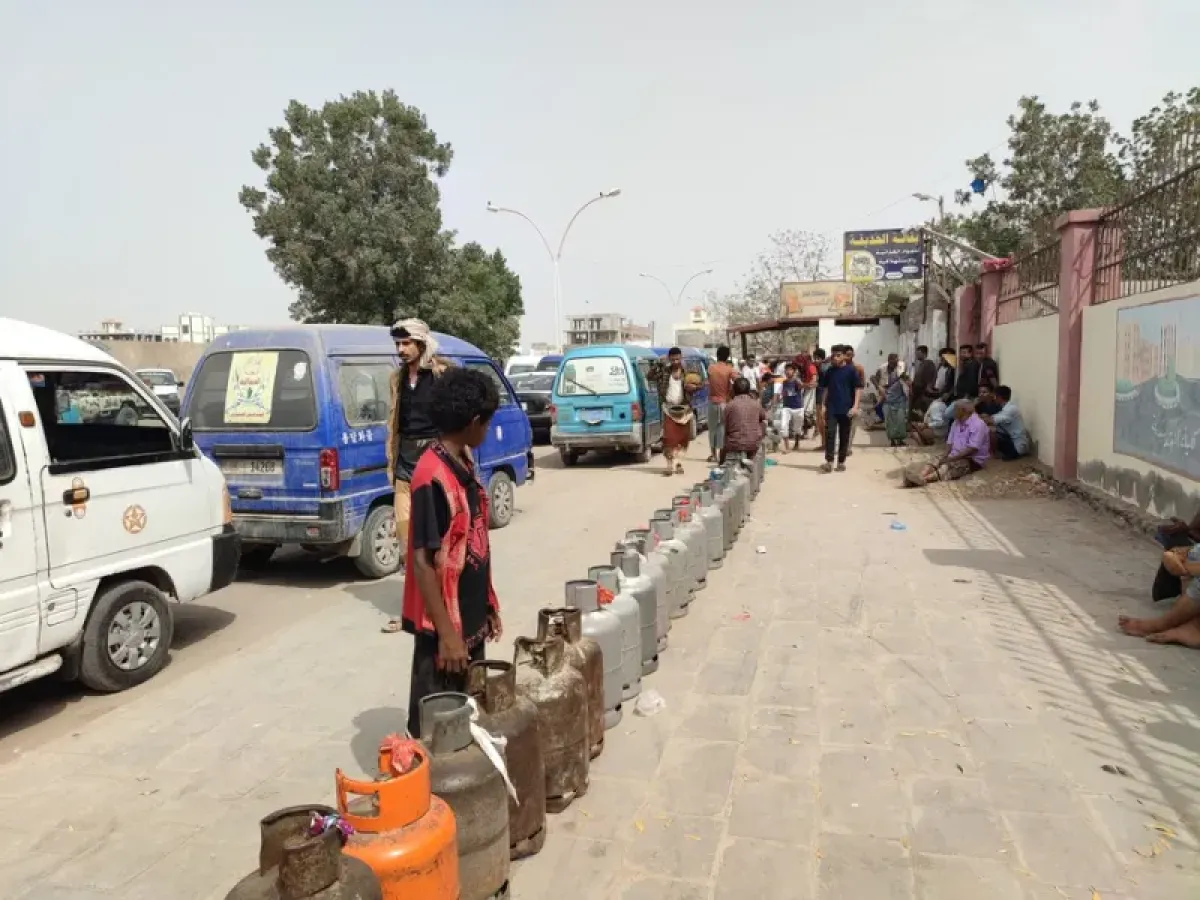
As the world marks World Humanitarian Day on August 19th, Yemen stands as one of the most profoundly affected nations, requiring substantial international solidarity and aid. The protracted conflict has inflicted deep wounds across all aspects of Yemeni life, from food security and healthcare to education and livelihoods. In 2026, the humanitarian crisis transcends the immediate impacts of war, intertwining with economic degradation, collapsing essential services, displacement, climate events, disease outbreaks, and a critical decline in humanitarian funding, leaving millions facing unprecedented needs with reduced capacity to cope.
According to the 2026 Humanitarian Needs and Response Plan for Yemen, approximately 22.3 million people require humanitarian assistance and protection, an increase from 19.5 million in 2025. The response aims to reach 12 million individuals, including 9.4 million most in need, with a required funding target of $2.16 billion. Food insecurity remains a paramount concern, with an estimated 18.3 million facing acute food insecurity due to rising prices, diminished purchasing power, and weak income sources. The crisis disproportionately affects children and mothers, with over 2.2 million children under five suffering from acute malnutrition, including more than half a million severely malnourished, and an estimated 1.3 million pregnant and lactating women expected to face malnutrition this year.
The healthcare sector is under immense pressure, with an estimated 19.3 million individuals requiring medical services. Alarmingly, only about 59 percent of health facilities are functioning at full capacity, impeding access to essential care for millions. The situation is exacerbated by the persistent threat of epidemic diseases, inadequate vaccination coverage, limited medical resources, and critical needs in maternal and child health, reproductive health, and psychosocial support. Women and girls bear a significant burden, with approximately 10.95 million women and girls needing humanitarian assistance in 2026, and the most vulnerable facing heightened risks of gender-based violence, early marriage, and restricted access to services.
Internal displacement continues to be a stark feature of the crisis, with over 5.2 million people displaced in 2026. Displaced individuals often face dire living conditions, lacking access to water, healthcare, and employment opportunities, with many remaining dependent on aid. Host communities also experience increased strain due to limited resources and declining public services, highlighting the interconnected nature of the crisis. Climate change and natural disasters, such as floods and heavy rains, further compound the humanitarian situation, causing material damage, displacement, and impacting infrastructure, water systems, sanitation, housing, and livelihoods. In 2026, approximately 14.4 million people require assistance in water, sanitation, and hygiene (WASH) sectors, with water scarcity and damaged infrastructure posing significant health risks.
In stark contrast to the escalating needs, the humanitarian system in Yemen faces a severe funding deficit. Reduced funding in recent years has led to the curtailment or suspension of vital programs and services. The 2026 Humanitarian Response Plan requires $2.16 billion to assist 12 million people, yet sustained and flexible funding is crucial to prevent further deterioration. Last year, the plan received only about 29 percent of its required funding, severely impacting humanitarian organizations' ability to maintain essential operations. While World Humanitarian Day honors aid workers, Yemen's situation underscores that humanitarian action must extend beyond immediate relief to protect human dignity, foster self-reliance, and address the root causes of the crisis. Long-term reduction in humanitarian needs necessitates the restoration of basic services, revitalization of livelihoods, enhanced community resilience, and progress towards a political solution. The occasion serves as a call for renewed commitment to Yemen, not only through bridging funding gaps but also by supporting a broader pathway that integrates relief, development, economic recovery, institution-building, and peace promotion.
At the forefront of this crisis are Yemeni and international humanitarian workers, who provide essential food, medicine, water, protection, and shelter in extremely challenging environments. Their work in Yemen is a defense of life, human dignity, and the rights of children to food and education, the sick to treatment, and displaced families to safety. As of August 19, 2026, the urgent message from Yemen is clear: saving lives today is imperative, but ending millions' reliance on aid requires addressing the crisis's origins, rebuilding the economy and services, and creating conditions for sustainable peace. Yemen needs aid to serve as a bridge to recovery, transforming humanitarian work into a catalyst for restoring normal life, not a perpetual substitute for it. Yemen remains a testament that behind every statistic is a human story, and protecting these narratives begins with sustained global attention.