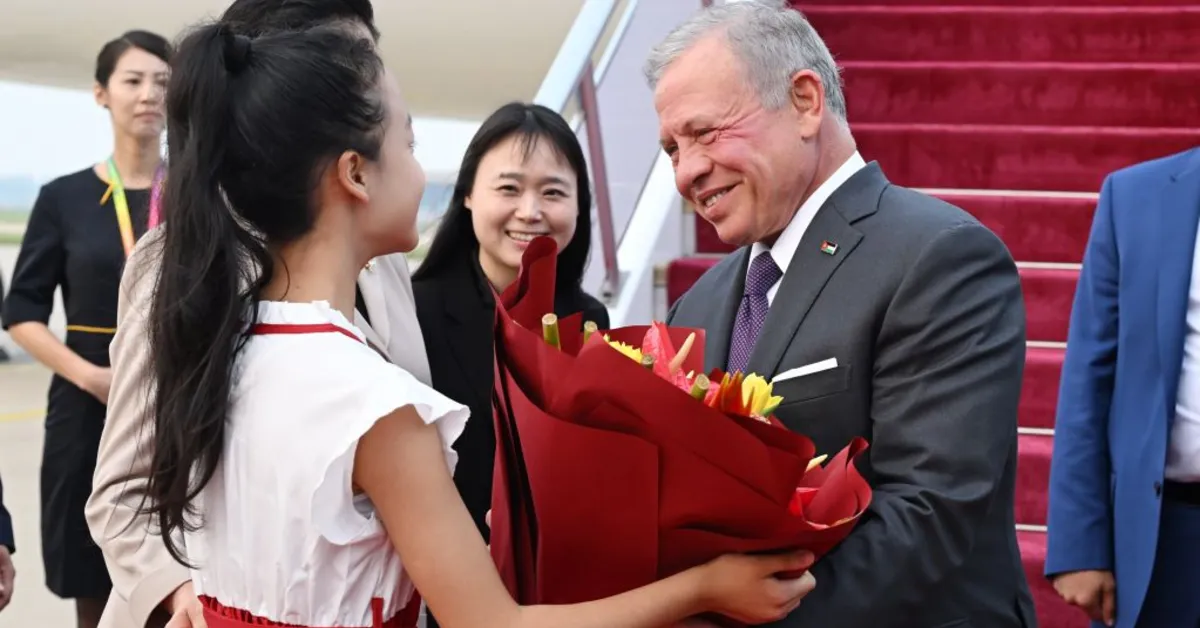
Jordanian King Abdullah II is undertaking a week-long state visit to China, marking his first such trip in over a decade. The visit underscores a broader regional trend where Middle Eastern nations, including close U.S. partners, are increasingly seeking economic and technological engagement with Beijing amidst growing unpredictability in the region and from traditional allies like the United States.
King Abdullah's itinerary includes stops in Shanghai, Beijing, and Shenzhen, with a focus on attracting Chinese investment, technology, and exploring potential security cooperation. His engagements in Shanghai involved meetings with executives from various sectors, including pharmaceuticals, food, engineering, agriculture, and aviation, as well as a visit to a robotics company. In Beijing, he is expected to meet with President Xi Jinping and other senior officials, with cooperation agreements anticipated in multiple fields.
The economic dimension of the visit is particularly critical for Jordan, which is facing increased financial pressure due to regional instability. The ongoing conflict has impacted tourism, a significant contributor to Jordan's GDP, and has led to higher energy costs and trade disruptions. King Abdullah has expressed Jordan's potential as a regional manufacturing and export hub, highlighting opportunities for Chinese investment to leverage the kingdom's resources, skilled workforce, stable business environment, and strategic location.
While Jordanian-Chinese trade has grown, it remains significantly imbalanced, with Chinese exports to Jordan far exceeding Jordanian exports. This dynamic emphasizes Amman's objective to attract substantial investment and technology rather than solely expanding trade volume. China's potential involvement in Jordan's Economic Modernisation Vision, aimed at economic growth and job creation, and in renewable energy projects, such as green hydrogen initiatives, represent key areas of focus.
Analysts suggest that King Abdullah's visit, while not signaling a departure from the United States, reflects Jordan's strategic recalibration. The timing of the trip, during a period of significant regional crisis, highlights a recognition in Amman of the risks associated with over-reliance on a single strategic partner. Despite the growing engagement with China, the United States remains an indispensable ally for Jordan's security and receives substantial economic and military support from Washington.