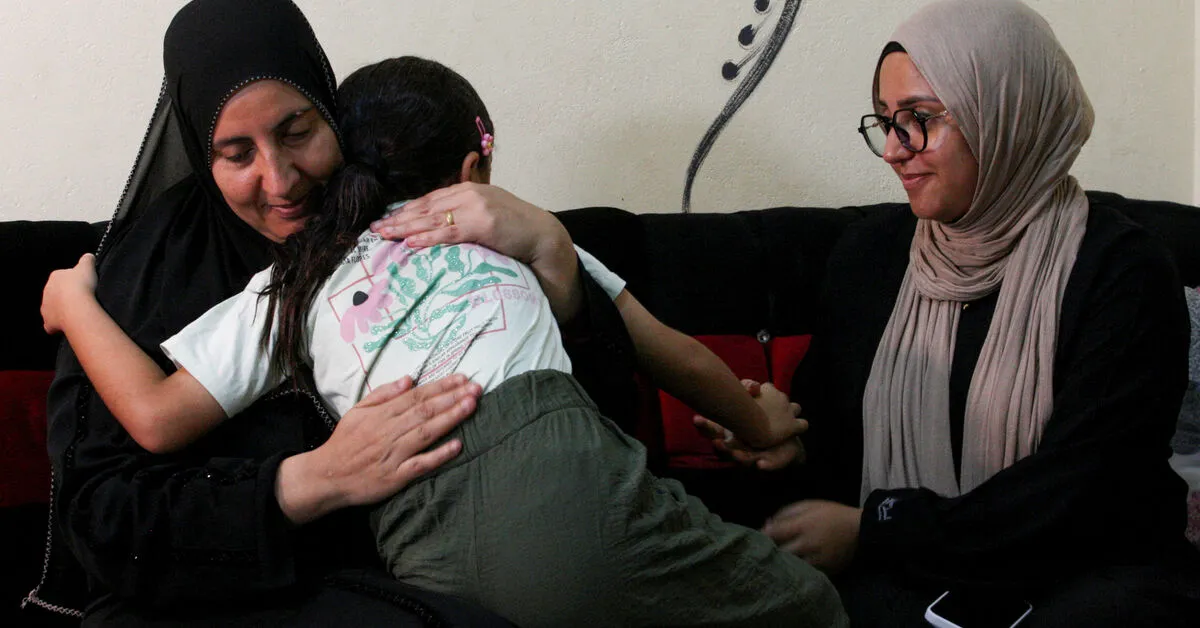
A landmark Egyptian court ruling, recognizing DNA evidence and a rape conviction to establish paternity for a child born out of wedlock, offers hope for official recognition and access to public services for thousands of children. The judgment, issued last month, allows Amal Abdel Hameed's nearly eight-year-old daughter, conceived through rape, to obtain a birth certificate for the first time.
Previously, Egyptian law barred children born outside marriage from receiving birth certificates, consequently denying them access to essential services like education and healthcare. Abdel Hameed's daughter, despite attending school, could not officially register or take examinations. The appeals court's decision marks a significant departure from the traditional interpretation of Egypt's personal status law, which largely relies on Islamic Sharia principles and historically permitted paternity establishment only through marriage.
Abdel Hameed's struggle to secure her daughter's rights gained national attention after she publicly shared her story, a rare occurrence in a country where discussions surrounding sexual assault are often stigmatized. "I only got my rights when I spoke to the media and made my voice heard," Abdel Hameed stated, recounting years of court rejections and setbacks. Her case gained momentum following a February edict from Al-Azhar, a leading Islamic scholarly institution, which affirmed that DNA testing and rape convictions could be used to determine paternity in such circumstances.
The ruling and the Al-Azhar edict are expected to influence potential reforms to the personal status law currently under parliamentary debate. Lawyers involved in the case believe this could pave the way for children in similar situations to more easily obtain legal documentation. El-Sayed Badra, Abdel Hameed's lawyer, noted the importance of an explicit legal provision to complement the existing judicial and religious directives.
Egyptian authorities, through the State Information Service, have indicated that any amendments to the personal status law will be determined by parliamentary discussions, emphasizing the state's commitment to child welfare and ensuring that children do not suffer consequences for crimes committed by others. Legal experts, such as Azza Soliman of the Center for Egyptian Women's Legal Assistance, view the verdict as a substantial achievement that may encourage other survivors of sexual assault to pursue legal recognition for their children.