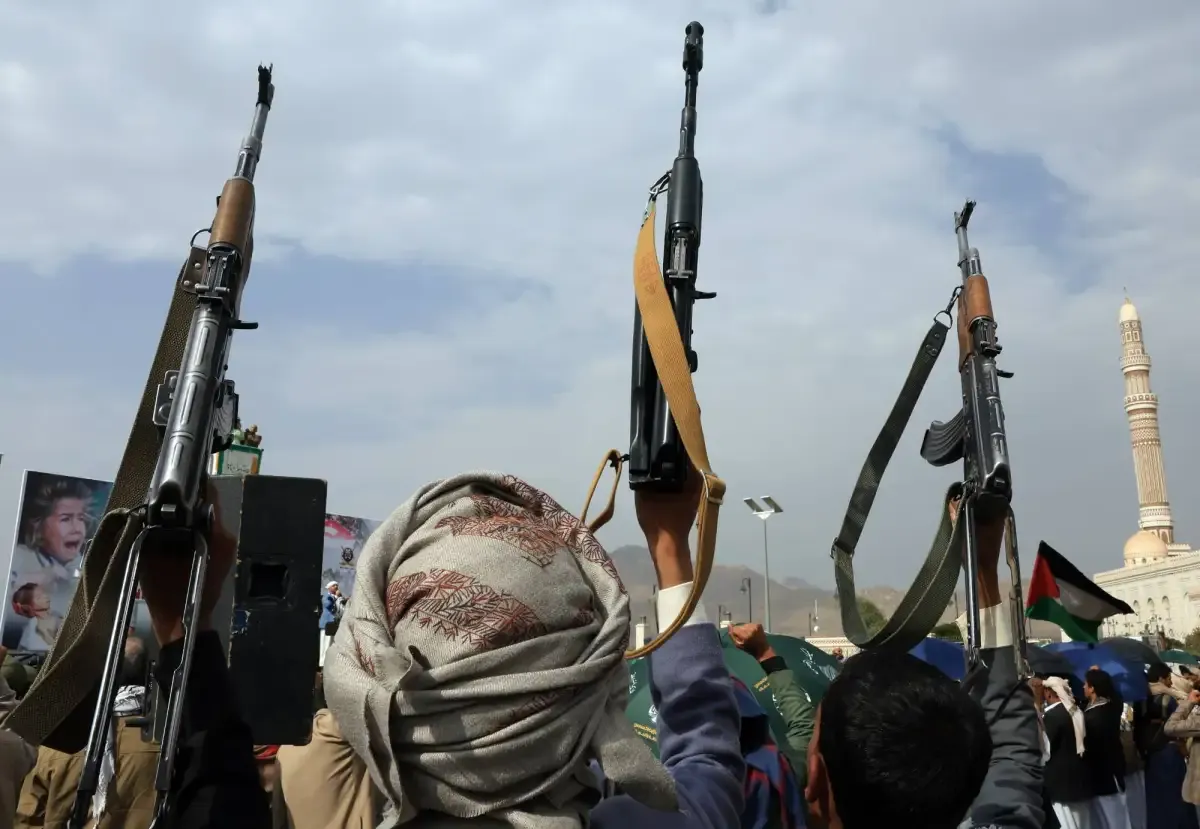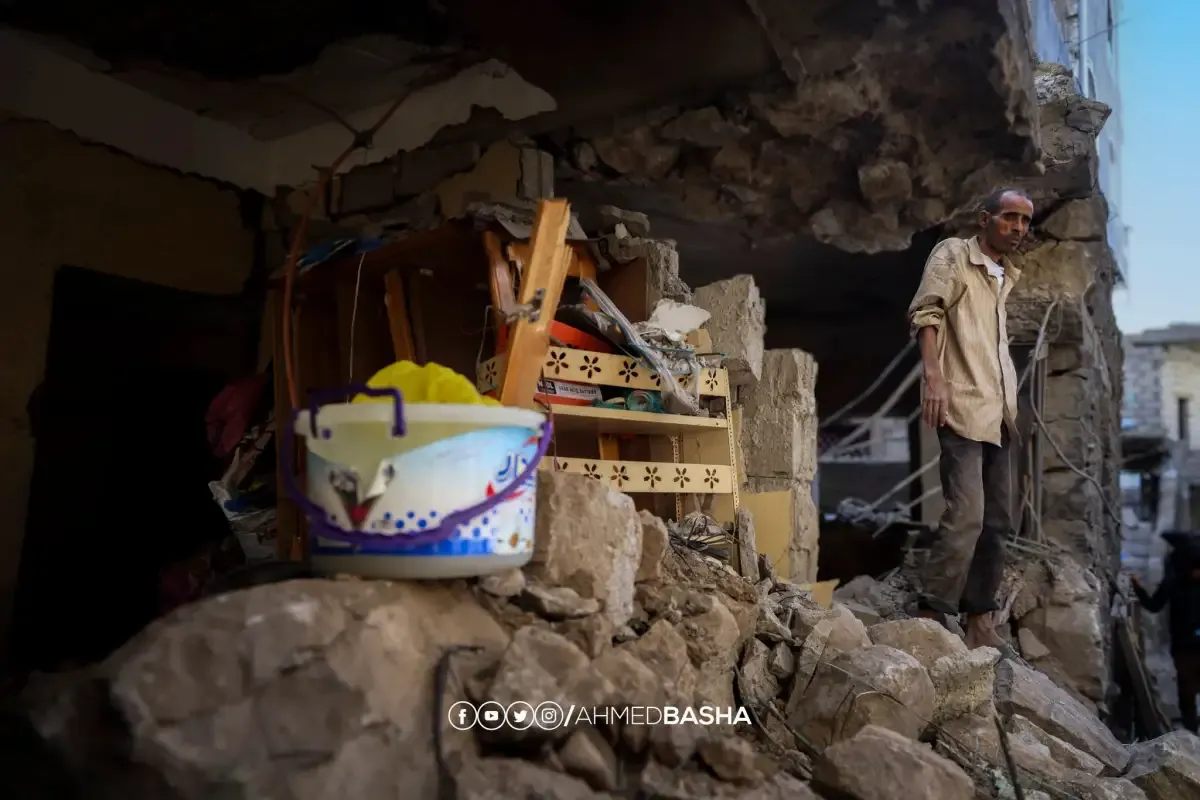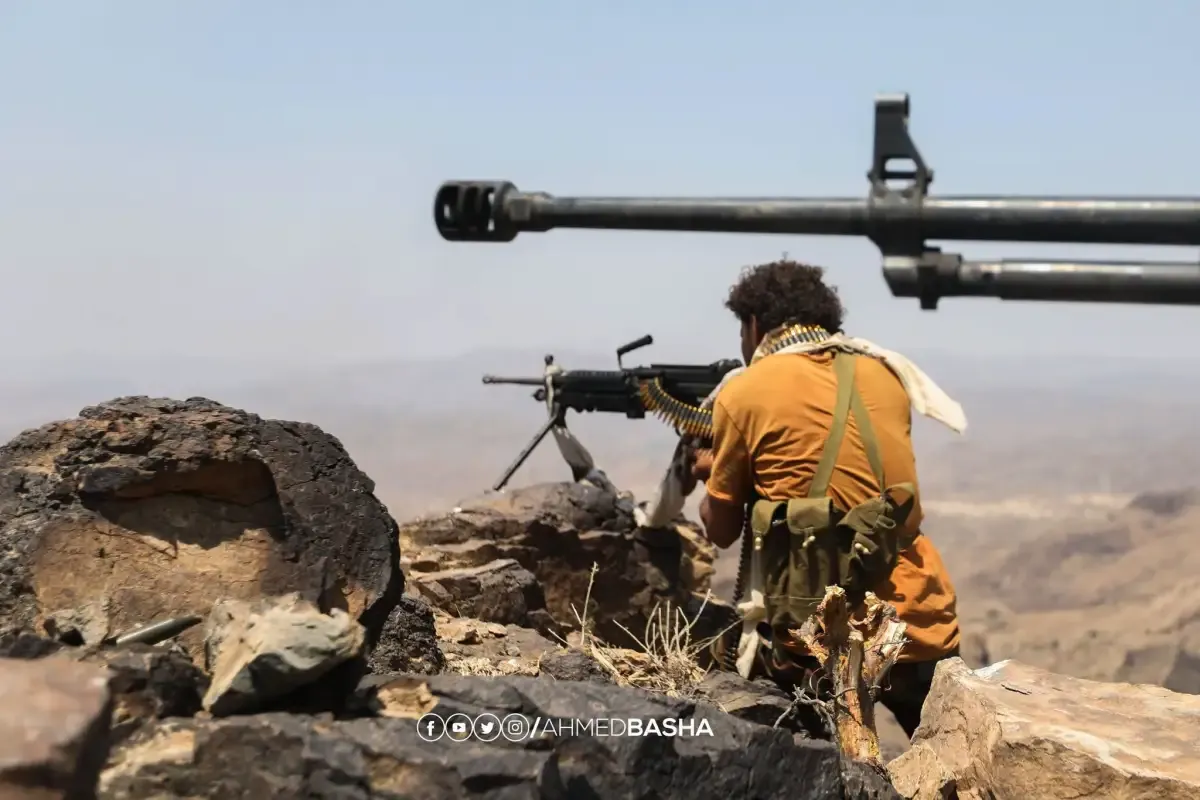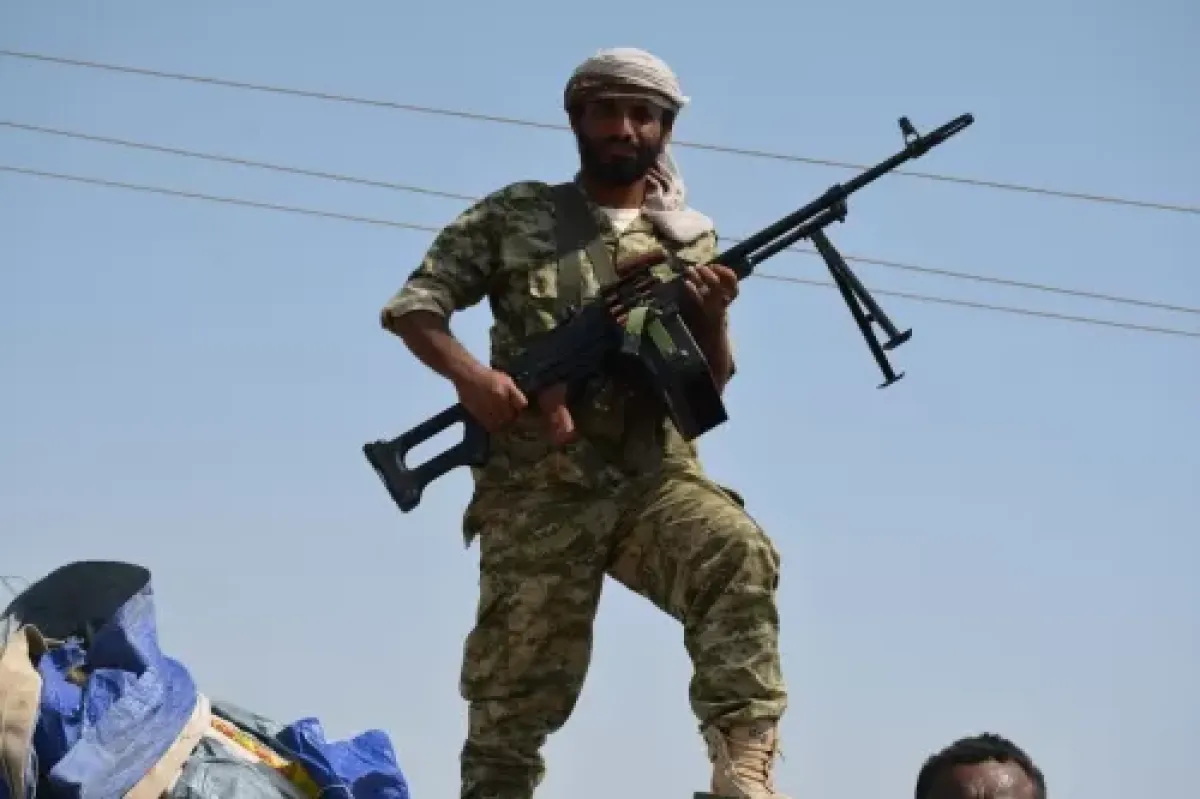
Recent clashes on the West Coast fronts were more than a transient military engagement; they represented a significant test of the narrative of Houthi strength and initiative that the militia has cultivated throughout the war. The National Resistance forces, led by Lieutenant General Tarek Saleh, effectively countered a Houthi escalation, absorbing the attack, thwarting advances, neutralizing aerial threats, and ultimately regaining the initiative. This resulted in substantial Houthi losses in personnel and equipment, forcing a retreat from positions they attempted to seize.
For years, the Houthi military discourse has heavily relied on projecting an image of invincibility and the ability to launch surprise, complex attacks. However, the recent West Coast confrontation starkly illustrated the limitations of this portrayal. The Houthi offensive was not restricted in scope, employing rockets, drones, ground assaults, and infiltration attempts across multiple sectors simultaneously. The objective was to destabilize defense lines, deplete enemy forces, create a breach, and convert firepower into territorial gains. This strategy failed as the National Resistance maintained cohesion, managed simultaneous attacks, and transitioned from containment to counter-attack.
The effectiveness of the National Resistance in these engagements is rooted in years of sustained presence and combat experience along the West Coast. Having battled the Houthis extensively, these forces understand their offensive tactics, infiltration methods, and shelling patterns. They possess intimate knowledge of the terrain, from open plains to mountainous regions and connecting routes to western Taiz, which proved crucial in repelling the recent large-scale assault. This familiarity allowed them to anticipate attack vectors, identify pressure points, and discern primary thrusts from diversionary efforts, enabling them to treat the Houthi escalation as a coordinated operation rather than isolated ground attacks.
The prolonged duration of the fighting, extending over 15 hours and spanning multiple sectors including Al-Bariha, Hodeidah, Al-Kadha, Maqbanah, Saqm, Hadhiya, and Al-Barasha, served as a rigorous test of the National Resistance's defensive capabilities. Sustained engagements challenge ammunition supply, communication lines, logistical support, troop rotation, and decision-making agility. The National Resistance's ability to maintain its lines and organizational integrity denied the Houthis their primary objective: breaking through the defense system.
The Houthi losses were a significant consequence of their failed offensive. Military sources and National Resistance media reported numerous casualties, damaged vehicles, and the interception of drones. Crucially, these losses occurred as the attacking force was exposed and unable to achieve a breakthrough, transforming them into targets rather than aggressors. This dynamic, where the cost of continued advance escalates rapidly with failed penetration, appears to have played out significantly on the West Coast.
The recent engagements also highlighted the National Resistance's success in countering Houthi drone capabilities. While the Houthis have integrated drones into their combat strategy, the National Resistance demonstrated their ability to deny tactical air superiority by downing several reconnaissance and targeting drones. This directly impacted the Houthi offensive by limiting their real-time intelligence and ability to direct fire effectively, thereby disrupting their operational planning.
A key differentiator in the National Resistance's performance was their transition from defensive absorption to offensive action. After repelling Houthi advances, counter-attacks were launched in several sectors, reclaiming positions. This shift signifies a loss of momentum for the attacking force and the reclaiming of initiative by the defenders. The Houthi offensive, intended to project dominance, concluded with them losing the upper hand.
The strategic importance of the West Coast, encompassing its ports and vital road networks, makes it a critical theater. The presence of the National Resistance has fundamentally altered the strategic calculus, transforming the region into a stabilizing factor rather than a weak point susceptible to a single offensive. The recent fighting has reinforced this reality, demonstrating that the Houthis can no longer dictate the terms of engagement in this area.
The West Coast battles have proven that the National Resistance has evolved beyond a purely defensive role into a force capable of managing complex combat operations, from containment to counter-attack. Their sustained presence has forged invaluable battlefield experience. More significantly, the West Coast has become a zone where the Houthis cannot unilaterally impose engagement rules. Future Houthi assaults will undoubtedly factor in the National Resistance's proven resilience and the escalating cost of failed breakthroughs.
While the conflict on the West Coast remains fluid, the recent engagements have delivered a clear message: the National Resistance is not merely defending positions but is capable of absorbing attacks, attriting the enemy, and launching counter-offensives. The significance lies not only in the casualties or material losses but in the fact that the National Resistance, under Lieutenant General Tarek Saleh, compelled the Houthis to fight on different terms. The Houthis initiated the assault banking on firepower and rapid advance, but encountered an organized military force with deep knowledge of the terrain and years of accumulated experience. The National Resistance's lines held firm, while the Houthis suffered heavy losses without achieving their objective. The West Coast has not only broken a Houthi offensive but has also exposed the limitations of their purported invincibility. The National Resistance has reaffirmed that the battle here is one of will, resource management, and territorial control, asserting that while the Houthis can attempt to breach the West Coast's defenses, they cannot force their way through.