The Houthi militia's seizure of Yemen's Red Sea coastline has significantly altered the regional power balance, bolstering Iran's influence and presenting Saudi Arabia and its neighbors with a critical decision: bear increasing costs or pursue an accommodation with Tehran.
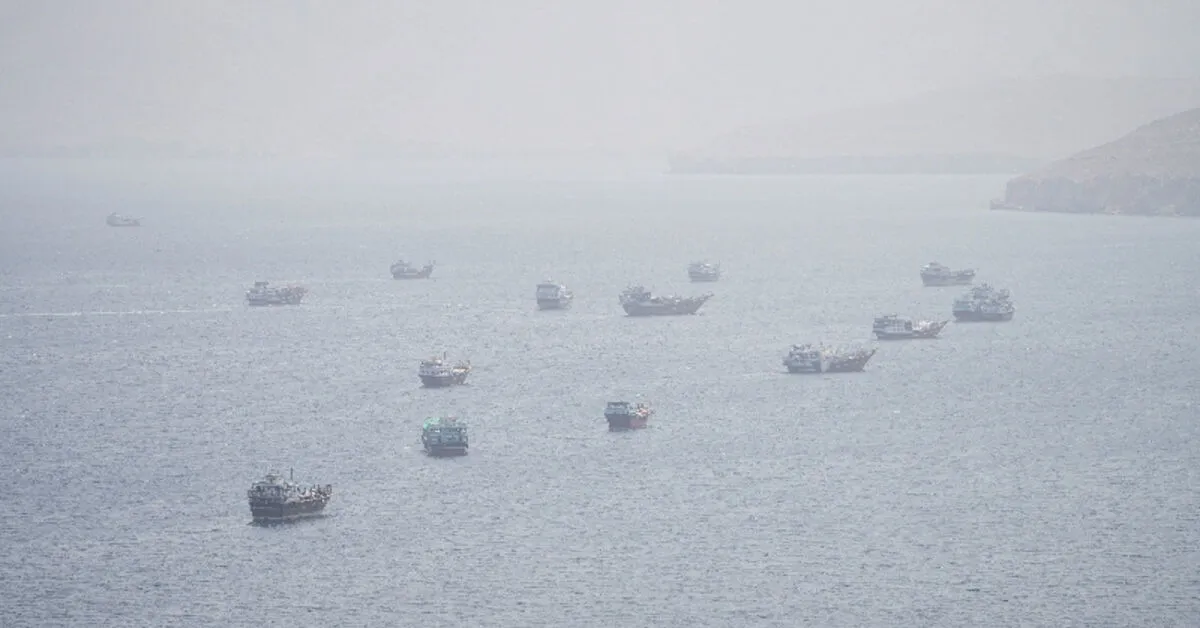
By establishing a strategic foothold overlooking the Bab el-Mandeb Strait, a vital global shipping artery, the Iran-aligned Houthis have created a second point of pressure, potentially threatening Saudi oil exports that are rerouted through the Red Sea. Analysts and regional officials suggest this strategy aims to elevate oil prices and exacerbate inflation, while diminishing the region's reliance on Washington for crisis resolution.
The calculated move forces Gulf states into a stark choice: endure escalating economic repercussions from disrupted oil exports and Iranian attacks, or engage in dialogue with Iran to safeguard trade, energy flows, and economic stability. Middle East analyst Fawaz Gerges described the Houthi control of islands near Bab el-Mandeb as a "game changer," significantly increasing their geopolitical and geoeconomic leverage over Saudi Arabia, the Gulf, the United States, and global trade.
Saudi Arabia, which had been rerouting a substantial portion of its crude oil through Red Sea ports after the Strait of Hormuz became less viable, was compelled to close its key oil pipeline after it came under attack. Reports of President Trump's reported refusal to support a Saudi request for U.S. military action against the Houthis, coupled with mounting economic pressures, are reportedly reinforcing a view in some Gulf capitals that negotiations with Tehran are becoming a necessity for self-preservation, according to regional sources.
This potential shift may soon become apparent as Gulf foreign ministers are scheduled to meet with their Iranian counterpart in Oman, as part of an effort backed by Oman and Iran to establish a temporary arrangement for managing shipping through the Strait of Hormuz. The meeting is expected to include Saudi Arabia, Qatar, the United Arab Emirates, and Iraq, aiming to agree on interim measures for Hormuz and potentially longer-term arrangements. Iranian President Masoud Pezeshkian indicated positive discussions with the UAE Crown Prince, emphasizing a desire to set aside past issues and build a future together.
The immutable reality for Gulf states is that Iran's geographic position alongside critical energy and trade routes makes it an unavoidable player in regional security. Decades of confrontation have failed to alter this fact, pushing Gulf leaders to reconsider their approach. Alex Vatanka of the Middle East Institute noted that Gulf states may increasingly prioritize protecting their interests and surviving hostilities, potentially leading to parallel diplomacy with Tehran and a broader security strategy less dependent on the United States.
The Houthi advance highlights a methodical Iranian strategy, with the Houthis emerging as a potent ally capable of weaponizing geography to impact the global economy and oil markets. This situation is compelling Gulf partners to reassess the sustainability of confrontation with Tehran, a consequence of U.S. economic pressure on Iran.