VIENNA, Sept. 14 (Reuters) - The United States has prevented Iran's top nuclear official from attending a United Nations atomic watchdog meeting in Vienna, a move that has drawn strong protests from Tehran. The U.S. opposed an exemption to United Nations sanctions that would have allowed Iranian nuclear chief Mohammad Eslami to travel.
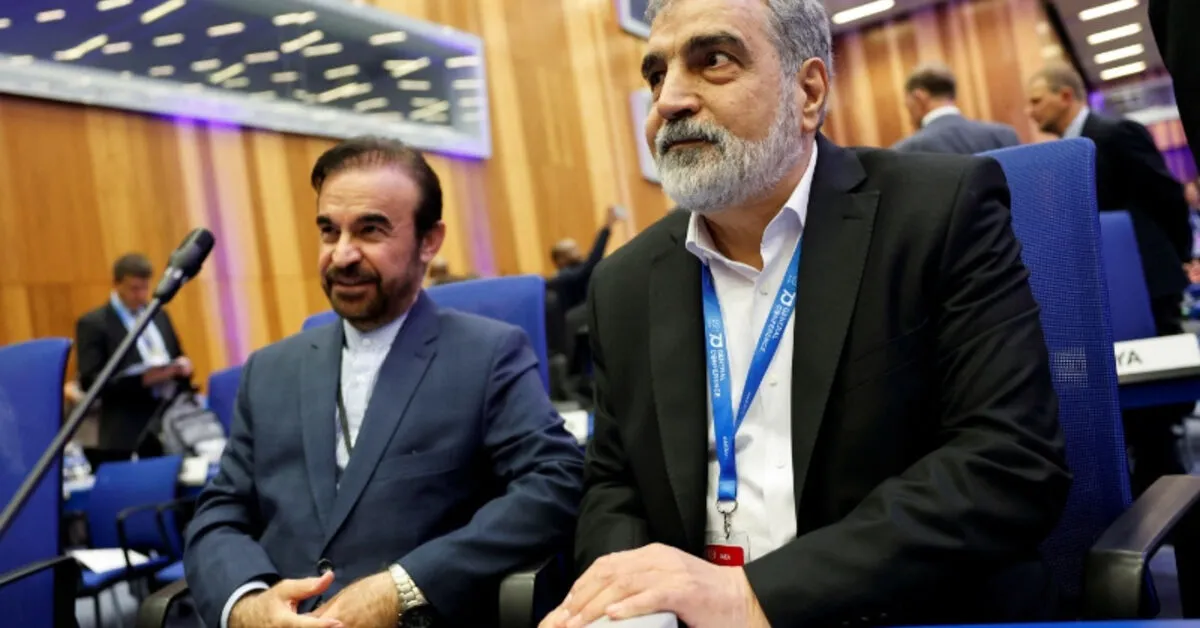
Mr. Eslami was scheduled to address the annual International Atomic Energy Agency (IAEA) General Conference, which commenced on Monday. However, Iran announced at the conference's opening that Austria had revoked Mr. Eslami's visa, despite having initially granted it. Iran's ambassador to the IAEA characterized the cancellation and its purported legal justification as a politically motivated act and an undue politicization of the organization.
Iran's Foreign Ministry spokesperson stated that the United States exerted pressure on Austria to implement this decision. Both Iran and Russia contend that this action is part of a broader strategy to impede Iranian officials from securing visas for international travel. The U.S. confirmed its objection to an exemption that would have permitted Mr. Eslami to travel despite sanctions reimposed under the U.N. Security Council's "snapback" mechanism.
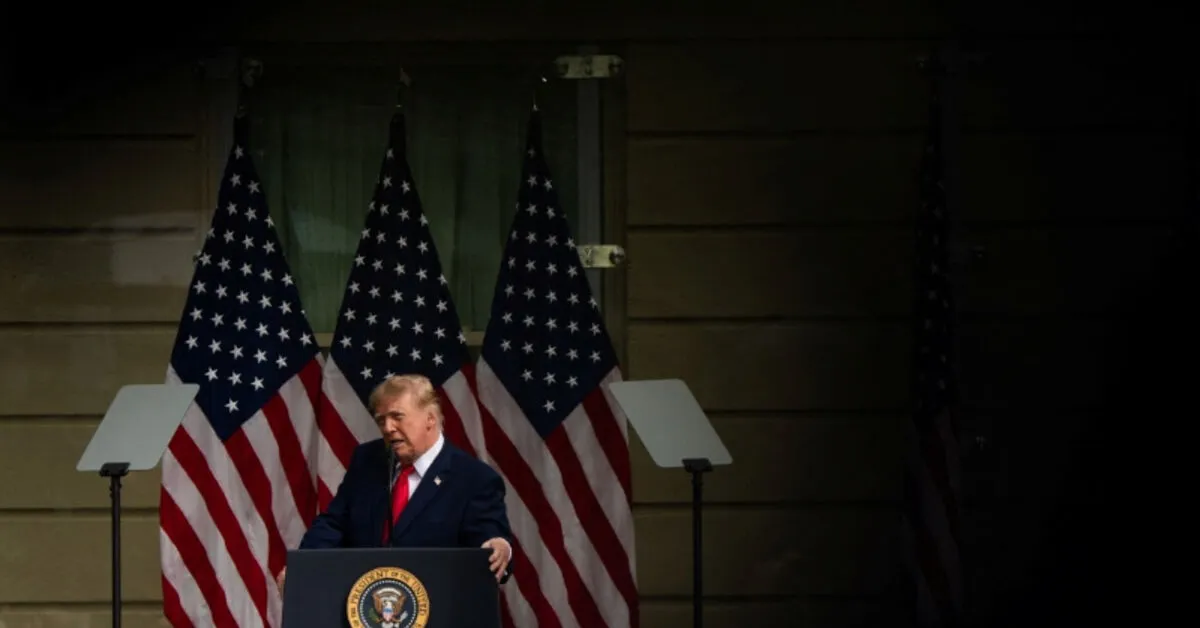
These sanctions were originally lifted as part of the 2015 nuclear deal between Iran and major world powers. Following the U.S. withdrawal from the agreement in 2018 under President Donald Trump, Western nations initiated the "snapback" procedure to reinstate the sanctions. Iran and its allies, including Russia, do not recognize these reimposed sanctions.
Austria indicated that it had formally requested an exemption for Mr. Eslami. Ambassador Christian Ebner informed the conference that Austria's request to the Security Council sanctions committee for an exemption from the travel ban was rejected. Consequently, Austria was compelled to deny entry to a member of the Iranian delegation. U.S. Ambassador Preston Wells Griffith III stated that his country's objection in New York to the exemption request led to the U.N. Security Council's denial.
Ambassador Griffith further commented that Mr. Eslami's participation would have allowed Iran to exploit IAEA proceedings for propaganda purposes, thereby undermining substantive cooperation and the credibility of the body responsible for verifying Iran's nuclear commitments, particularly in light of ongoing disputes over inspections.