Scientists have established a direct correlation between Sierra Nevada snowpack and groundwater levels in California's Central Valley for the first time, analyzing two decades of NASA satellite data. The findings reveal that substantial snowmelt significantly replenishes underground water reserves, underscoring the critical role of heavy snow years in recharging the state's aquifers.
The study indicates that snow, rather than rain, is the primary driver of groundwater recharge. Lead author J.T. Reager explained that snow accumulates and melts gradually throughout spring and summer, providing a steady infiltration of water to the ground. This process benefits farmers, increases reservoir levels, and restores underground water supplies. In contrast, rain often results in rapid runoff, diminishing its groundwater replenishment potential.
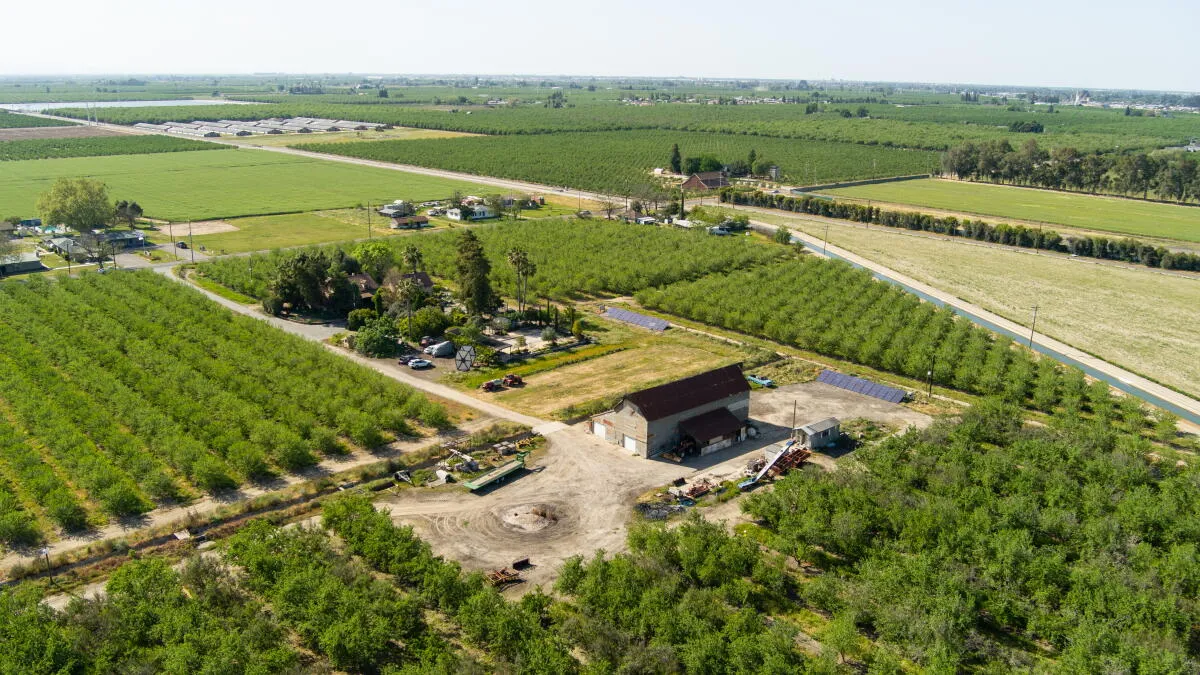
Central Valley groundwater has been in decline for decades due to extensive pumping for crop irrigation. Researchers estimate that the region has lost more groundwater since the early 20th century than the entire volume of Lake Tahoe. The study corroborates farmers' long-held observations of rising well water levels following significant mountain snows.
Analysis of satellite data from 2004 onwards revealed that California's aquifers experienced a net gain in only six of eighteen years. Years with abundant snow, such as the exceptional 2023 snowpack resulting from atmospheric rivers, led to the most substantial increases in underground water. The 2023 snowmelt was sufficient to offset groundwater losses incurred during the 2020-2022 drought, though it represented only a fraction of the long-term depletion.
In most years, heavy pumping resulted in groundwater declines, with Reager noting, "It’s still coming down. It just doesn’t naturally recharge the amount that we take out." The study, published in Geophysical Research Letters, identified 2005, 2006, 2011, 2016, and 2019 as the only other years of groundwater gain, based on data from the GRACE and GRACE-Follow On satellite missions. These missions also highlight the Central Valley as a region experiencing rapid freshwater depletion globally.
In response to the escalating groundwater crisis, California enacted the Sustainable Groundwater Management Act in 2014, tasking local agencies with halting chronic declines. Many are planning to construct artificial recharge sites. However, research suggests these efforts may only offset a small portion of the unsustainable extraction, with projections indicating up to 900,000 acres of farmland in the San Joaquin Valley may become unfarmable by 2040.
Co-author Jay Famiglietti, a hydrologist at Arizona State University, emphasized the difficulty of measuring groundwater recharge over large areas and the value of satellite data for tracking progress under state groundwater law. The researchers found that significant groundwater gains occurred only when peak snowpack reached at least 120% of the average. With climate change leading to warmer winters and more precipitation falling as rain, the potential for groundwater recharge is increasingly threatened, presenting a significant challenge for the state's water security.