A tribal blockade has resumed in Marib Governorate, threatening to plunge Aden and other liberated governorates back into a severe domestic gas crisis, undoing recent, albeit temporary, relief.
The fragile respite from the domestic gas shortage in Aden and other liberated governorates was short-lived as tribal factions in Marib Governorate have reportedly reinstated roadblocks for gas and oil tankers. This action signals a potential return to the initial supply crisis, raising concerns about escalating prices and exacerbating the suffering of citizens.
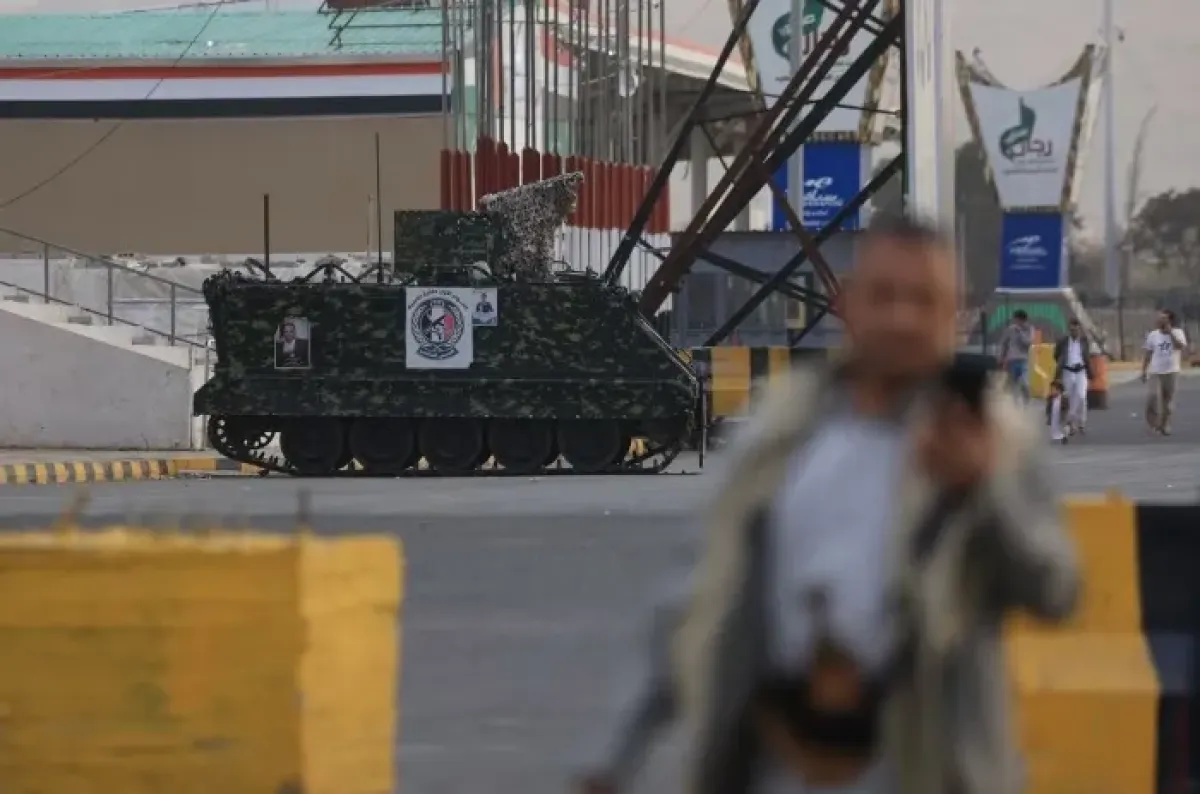
Just days prior, a limited de-escalation occurred following local and tribal mediation that ended a week-long blockade in Marib. This resolution allowed dozens of gas tankers to proceed towards Aden and other governorates. However, this improvement proved unsustainable. On Tuesday evening, the movement of tankers and fuel shipments, including petrol, diesel, mazut, and domestic gas, was reportedly halted again. A tribal figure, identified as Hadi Mohammed Al-Dhamn, announced the blockade, citing alleged nepotism and unaddressed demands as his reasons.
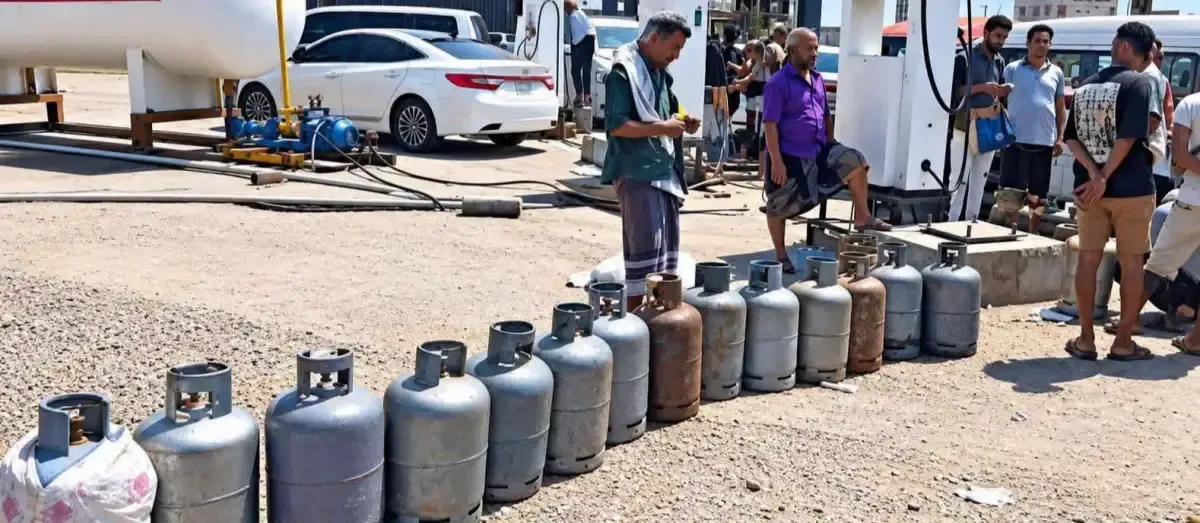
The renewed blockade poses a significant threat to the flow of gas and oil derivatives originating from Marib, a crucial supply source for numerous governorates, including Aden. This interruption portends a resurgence of the gas crisis, with early signs already reappearing in markets and at filling stations. Citizens have begun forming queues at gas distribution points, coinciding with a sharp rise in black market prices for gas cylinders. Reports indicate that a cylinder now costs approximately 18,000 Yemeni Rials, a stark contrast to the official price of 7,500 Rials.
This recurring tribal blockade underscores the vulnerability of fuel and gas supply lines, which are susceptible to disruption by local or tribal disputes in transit areas. Consequently, citizens bear the brunt of these conflicts through long queues, inflated prices, and diminished access to an essential commodity for daily life. The previous blockade lasted over a week before mediation efforts and promises to address the protesters' demands led to its lifting, enabling the movement of tankers.
Citizens and local observers argue that the repeated occurrence of such incidents, without fundamental solutions, transforms the gas shortage from a temporary bottleneck into a recurrent crisis. They highlight the absence of a robust mechanism to protect supply routes and ensure the unimpeded transit of tankers, shielded from tribal disputes and blockades. Local voices and activists are urging the authorities in Marib to intervene and guarantee the continuous movement of fuel and gas convoys, securing the Safir route. They emphasize that tribal demands, regardless of their nature, should not be leveraged to obstruct essential supplies or compromise the welfare of millions of citizens in the governorates dependent on these resources.
With the blockade reinstated, the recent improvement in the gas market appears to be diminishing. Residents in Aden and other liberated governorates anxiously await the arrival of tankers and the stabilization of supplies, fearing a return to prolonged queues and further price hikes.