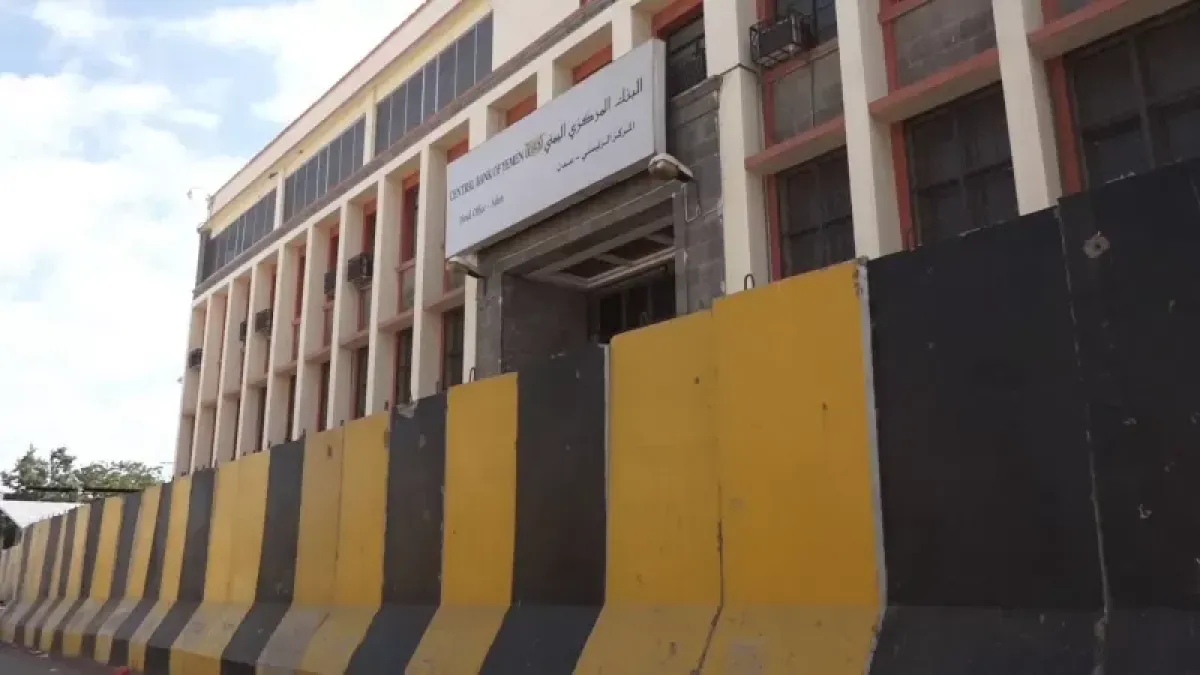
The Central Bank of Yemen in Aden continues its stringent regulatory actions against the exchange market by revoking licenses of non-compliant firms and closing their premises. This initiative aims to stabilize banking activities and curb illicit practices contributing to currency market volatility.
In a significant development, the Governor of the Central Bank of Yemen, Ahmed Ahmed Ghalib, issued Decision No. (17) of 2026, suspending the license granted to Al-Buraq Exchange and Remittance Company and ordering the closure of its headquarters. This measure was taken following confirmed violations identified during an on-site inspection conducted by the Banking Supervision Department.
This decision is part of a broader series of regulatory measures implemented by the Central Bank recently. These actions include field visits to exchange companies and establishments to assess their adherence to directives and regulations governing their operations, culminating in the suspension of licenses and closure of facilities found to be in violation.
Through these stringent measures, the Central Bank is focusing on mitigating excesses and speculation within the foreign exchange market. This emphasis is driven by the critical sensitivity of the local currency's exchange rate and its direct impact on the prices of goods and services, as well as the costs of remittances and commercial transactions.
According to banking sources, enhancing supervision of exchange companies is a necessary tool for market regulation and curbing undisciplined practices. However, the effectiveness of these measures in stabilizing the exchange rate is contingent upon continuous oversight and consistent application of penalties, alongside addressing the monetary and economic factors that fuel speculation and exacerbate currency market fluctuations.
The closure of Al-Buraq Company follows similar actions taken by the Central Bank in recent months. These included suspending the licenses of approximately 110 exchange firms and remittance agents and closing their offices, indicating the bank's intensified approach to field inspections and the imposition of regulatory sanctions against entities proven to be non-compliant.