Former US Envoy to Yemen, Tim Lenderking, has issued a stark warning regarding the escalating military capabilities of the Houthi militia and the growing threat of Yemen's division. He asserted that Iranian support is directly bolstering the Houthi movement, with elements of the Iranian Revolutionary Guard Corps present in Sanaa.
In an interview with Sky News Arabia, Lenderking confirmed that the Iranians are "definitely helping the Houthis," noting the presence of Revolutionary Guard personnel, trainers, and advisors in the Yemeni capital. He emphasized that the Yemeni people do not desire or welcome Iranian influence, differentiating the Houthi militia from the broader Yemeni population, whom he stated the group does not represent nor command widespread support from.
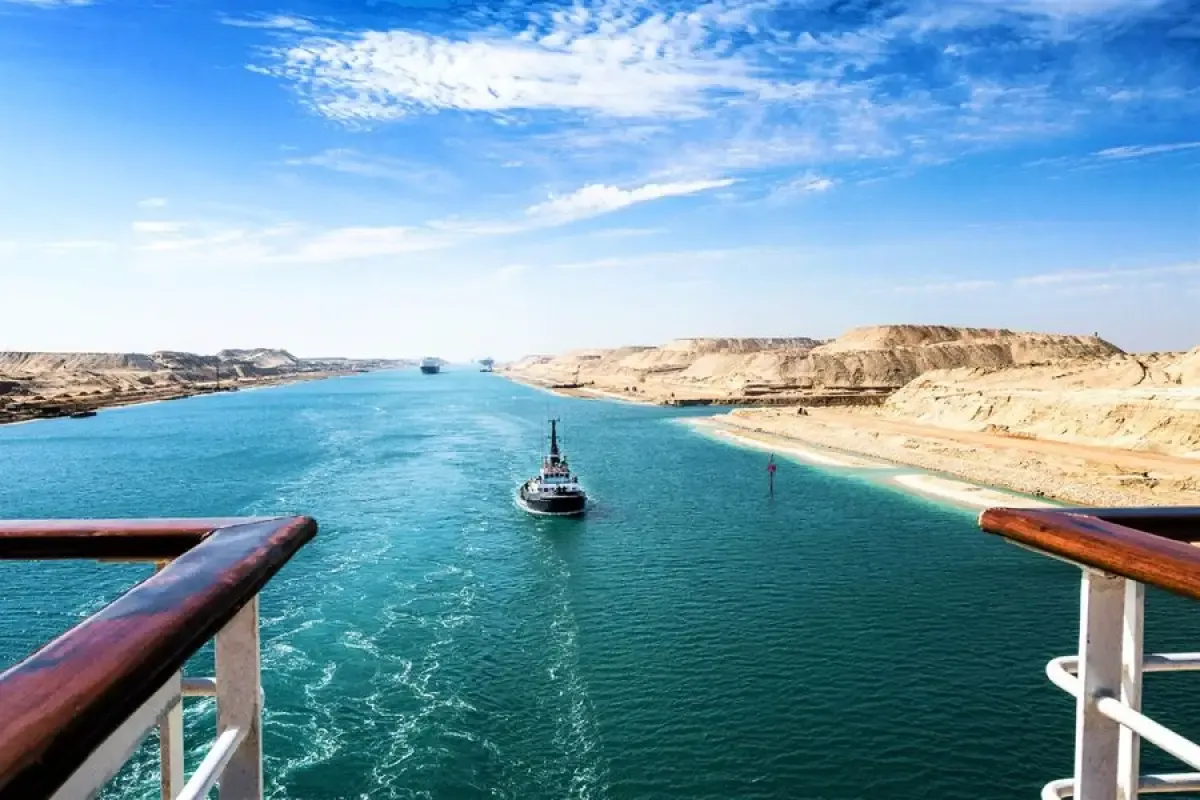
Lenderking further detailed that the Houthis have significantly enhanced their military arsenal, possessing what he estimates to be the most formidable armament among the "axis of resistance" factions. Their advanced domestic weapons manufacturing capabilities, he explained, grant them a greater capacity to threaten international navigation in the Red Sea and the Bab el-Mandeb strait, thereby exerting pressure on regional nations.
The former envoy elaborated that Houthi objectives are centered on territory, influence, and legitimacy. He clarified that control does not solely mean territorial occupation but can be achieved through the capacity to threaten it. The militia's presence in areas overlooking the Red Sea and their ability to imperil shipping in the Bab el-Mandeb are sufficient to impact regional maritime security and shipping traffic.
Lenderking cautioned that the persistent divisions among anti-Houthi forces, coupled with a lack of unified stances on maritime corridors, provide the militia with opportunities to consolidate its capabilities and secure further territorial gains. He stressed that preventing Houthi advancement does not necessitate an exclusively military solution, but rather requires parallel military pressure alongside political engagement, urging the Yemeni parties to return to the negotiating table.
He underscored the importance of coordination between Saudi Arabia, the Yemeni government, and Oman, suggesting that the United States could provide intelligence and advisory support to government forces without deploying its own troops to Yemen. Regarding Oman's role, Lenderking noted Muscat's focus on a diplomatic and political resolution, advocating for unified messaging to the Houthis through coordinated efforts between Saudi Arabia and Oman.
Addressing the future of Yemen's unity, Lenderking acknowledged the potential for partition but firmly stated that the decision on Yemen's future, whether it remains unified or adopts another form, rests solely with the Yemeni people and should not be externally imposed. He called for these issues to be resolved through a political process and negotiations among the Yemeni factions.
Expressing hope that American influence in the region would not wane, Lenderking indicated that US interests align with those of the Gulf states, fostering mutually beneficial relationships. He linked Saudi security to developments in Yemen due to their shared border, noting that Houthi attacks have hampered Saudi efforts to enhance national security, attract investment, and solidify its role as a stabilizing force in the Middle East.
These statements from Lenderking emerge amidst heightened concerns over maritime security in the Red Sea and Bab el-Mandeb. Sky News Arabia highlights the continued international focus on the Houthi threat to vital shipping lanes, coinciding with rapid military developments in the vicinity of Bab el-Mandeb and Yemen's western coast.