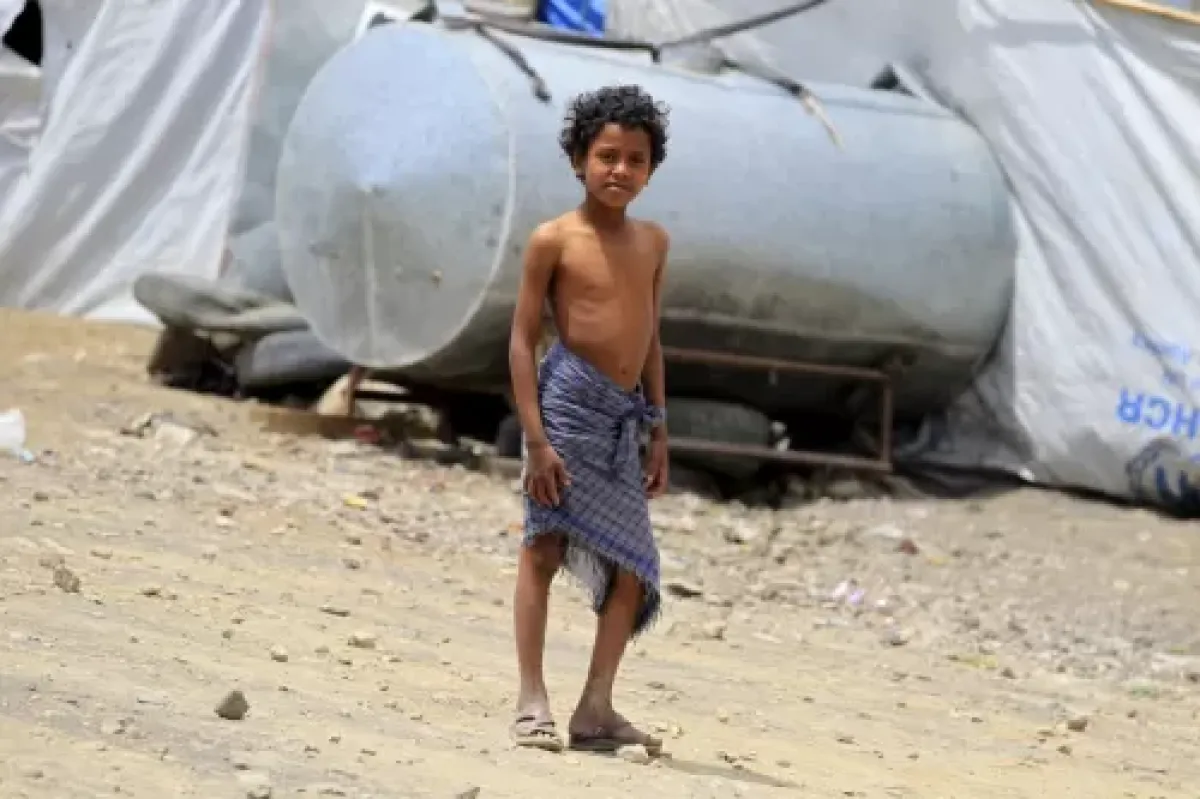
UNICEF has issued a grave warning regarding a concerning surge in acute malnutrition among Yemeni children, including life-threatening severe cases, as ongoing hostilities and strained family and health service capacities exacerbate the crisis.
Achilles Ayer, UNICEF's Representative in Yemen, expressed deep concern during a video briefing from Aden to Geneva about the evident increase in acute malnutrition rates among children. This alert comes amidst a worsening food and health emergency, with UNICEF data indicating that approximately 2.2 million children under five are suffering from acute malnutrition, of whom over 515,000 have severe acute malnutrition. Additionally, more than 12 million children in Yemen require humanitarian assistance.
The problem extends beyond food scarcity; persistent fighting impedes children's access to critical medical care. UNICEF confirmed in September that hostilities had disrupted services at 26 health facilities supported by the organization. Clashes had also led to the displacement of over 104,000 individuals, including more than 57,000 children, within a two-week period.
These figures highlight a crisis that transcends emergency response. Millions of Yemenis face severe economic deterioration, escalating costs for food and essential services, and diminishing humanitarian funding. In government-controlled areas, an estimated 47% of the population is experiencing high levels of acute food insecurity, with projections indicating a further rise in the coming months.
UNICEF warns that malnutrition not only poses an immediate threat to children's lives but also inflicts long-term damage on their physical and cognitive development. Children in areas affected by conflict and displacement face compounded risks, where food shortages intersect with disease outbreaks and inadequate water, sanitation, and healthcare services.
Despite continuous efforts by international organizations to provide therapeutic food, health services, and nutritional interventions, the growing needs versus declining funding render the response insufficient to meet the scale of the crisis. UNICEF emphasizes that addressing malnutrition necessitates safe and regular humanitarian access to children, coupled with robust support for health and nutrition services.