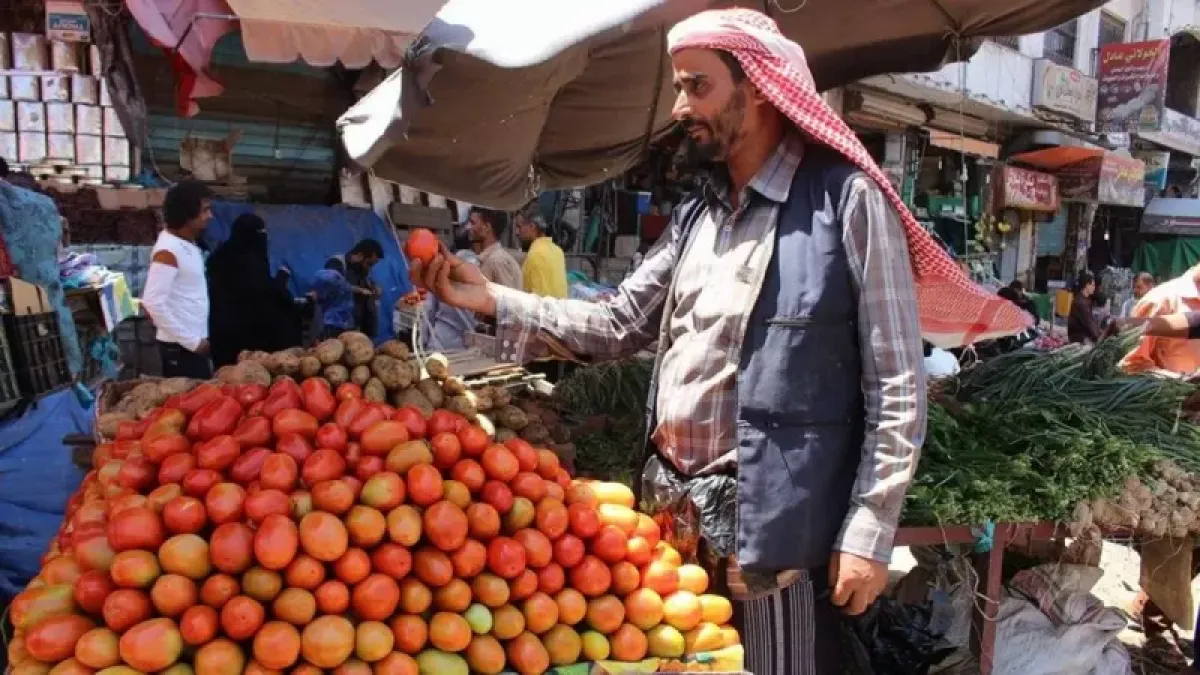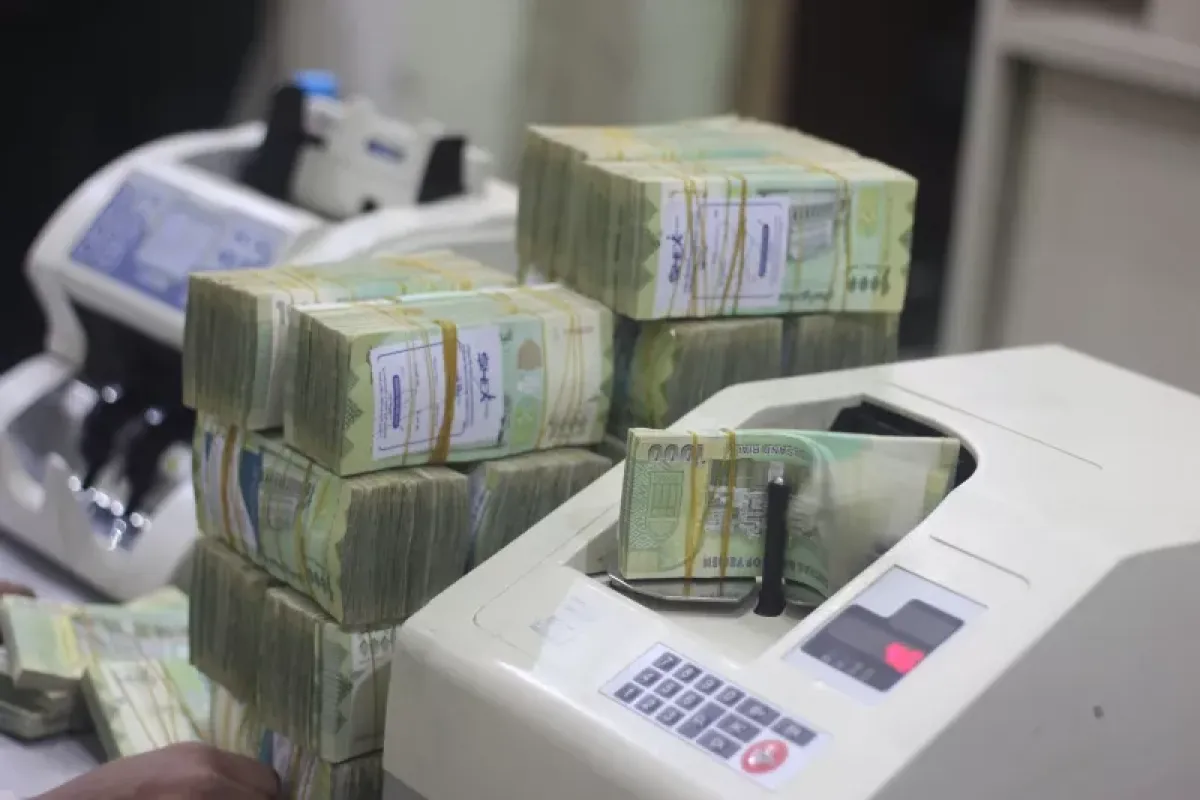
Exchange bureaus in liberated territories are increasingly engaging in the purchase of foreign currencies, particularly Saudi riyals and US dollars, while refusing to sell them to the public, citing a lack of liquidity. This practice, coupled with allegations of inflated prices exceeding official rates, is raising concerns about market manipulation and the potential emergence of a parallel economy.
Citizens report that while some exchange offices continue to buy foreign currencies from the public, they decline to sell when requested. Others justify their refusal by claiming depleted stock and advise customers to return later. A limited number of establishments are offering only smaller denominations, alleging a shortage of larger bills, leading to accusations of exploiting public need and offloading less desirable denominations.
These practices cast doubt on adherence to official pricing and regulations governing transactions, as well as the effectiveness of oversight bodies in preventing currency hoarding or leveraging scarcity to dictate prices outside the official market framework. Economic expert Dr. Ali Al-Masbahi warned against exchange bureaus buying foreign currencies and subsequently refusing to sell them, characterizing this behavior as indicative of increasing pressure on the exchange market due to weak oversight and economic imbalances.
Dr. Al-Masbahi elaborated that the recent stability in exchange rates, attributed partly to government measures, was linked to public expectations of continued price declines, which encouraged a greater supply of foreign currency and a preference for the local currency. However, he noted that a shift in these expectations has prompted citizens, traders, and exchange bureaus to convert their savings into foreign currencies, thereby intensifying pressure on the market.
He further cautioned that some exchange bureaus are purchasing foreign currencies only to withhold them, claiming non-possession, while others are selling at prices above the official rate. This, he warned, could lead to the formation of a parallel market given the shortcomings in government oversight. Al-Masbahi also linked these pressures to the government's inability to meet the market's foreign currency demands, citing Yemen's imports at approximately $13.5 billion in 2025, with fuel imports alone costing around $3 billion annually.
Al-Masbahi also sounded an alarm regarding the exploitation of the fragile economic situation to establish fictitious exchange bureaus in liberated areas, which he suspects could be used to siphon foreign currencies and transfer them to Houthi-controlled territories. He urged the government not to use the prevailing war conditions as a pretext to delay essential economic, financial, and service reforms and remedies.