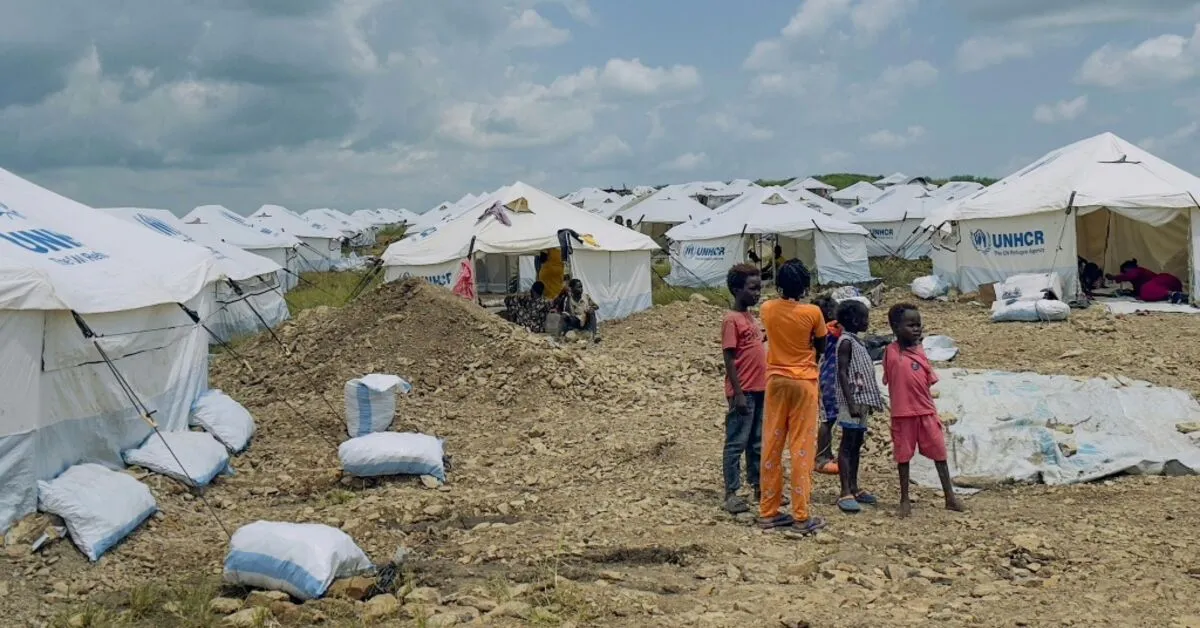
The United Nations' refugee agency, UNHCR, has issued a stark warning that approximately 8.3 million refugees and other forcibly displaced individuals are at risk of losing essential assistance due to severe and persistent funding cuts. The agency reported on Tuesday that critical protection services are deteriorating as a result of this financial shortfall.
UNHCR stated in a report that its capacity to support refugees, internally displaced persons (IDPs), and stateless individuals is being significantly undermined by a worsening funding gap. The agency's available funding has reportedly decreased from $5.2 billion in 2024 to $3.9 billion in 2025, a period when the number of people requiring protection remains at historically high levels.
The agency highlighted that it requires $8.5 billion for refugee protection this year but had only received 32 percent, or $2.7 billion, by the end of July. This deficit places nearly 8.3 million forcibly displaced people in danger of losing access to UNHCR's vital support systems. UNHCR emphasized that ongoing, severe funding reductions are pushing protection and support structures for refugees towards a breaking point in major global displacement crises.
While UNHCR has implemented reforms and prioritized its most critical functions, the sustained and extensive shortfall means that even its highest-priority work is now being affected. Dominique Hyde, UNHCR's External Relations Chief, cautioned that protection services cannot be indefinitely reduced without systems collapsing, stating that below a certain threshold, services cease to function, leaving the most vulnerable without necessary protection.
The consequences of these cuts are already evident in various regions. In Chad, 319,000 refugees face registration delays, jeopardizing their access to services, and approximately 233,000 children are at risk of losing child protection services. In Ethiopia, child protection coverage in some areas has declined by as much as 85 percent. Similarly, in Sudan, tens of thousands of survivors of sexual violence and vulnerable children could lose access to critical protection services, exacerbating the very risks from which they initially fled.
The report also noted that UNHCR reduced its workforce by nearly 5,000 positions in 2025, representing over a quarter of its staff, due to funding constraints. This situation is compounded by significant reductions in foreign aid from major donors, including the United States. These cuts are hindering efforts to help displaced individuals become self-reliant and are impacting returnee assistance programs, such as in Syria, where vulnerable IDPs and returned refugees face a loss of initial financial aid needed for rebuilding their lives.