Iran's leadership is preparing for an escalation of conflict, regardless of the electoral outcomes in the United States and Israel, according to analysts observing the region's complex power dynamics.
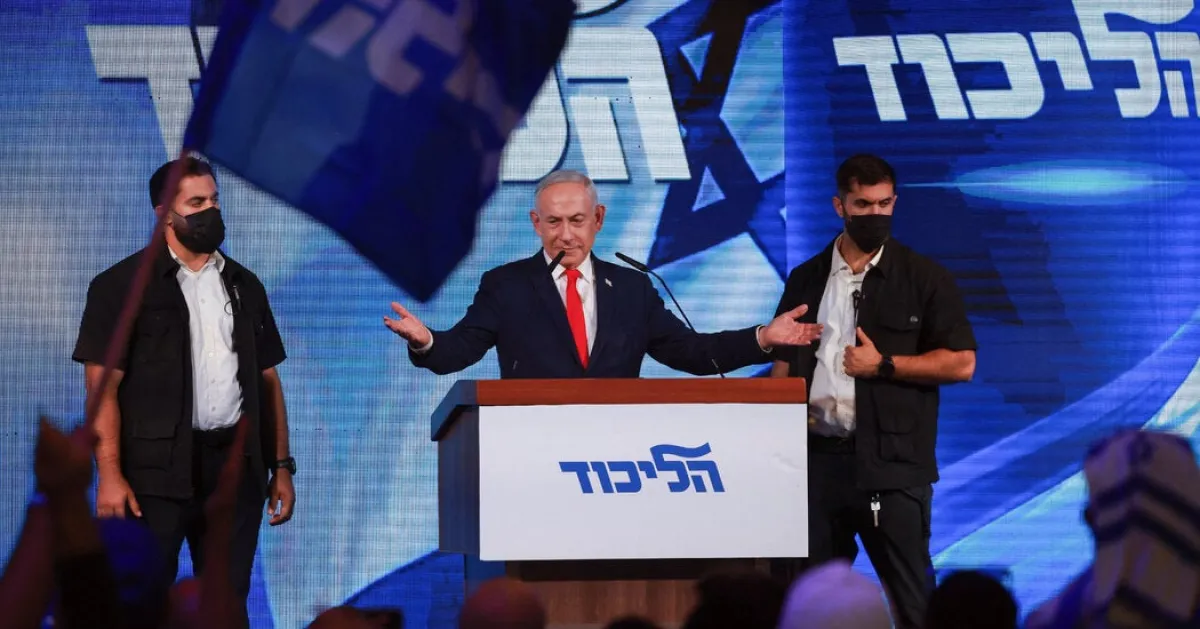
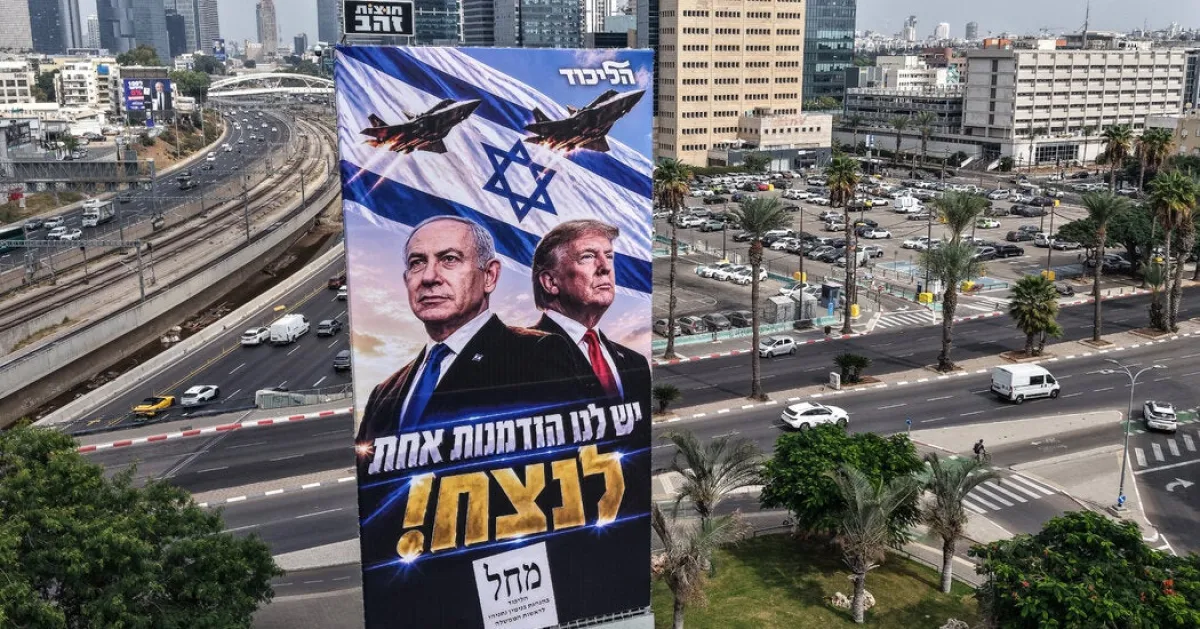
In Israel, recent national elections have resulted in a political stalemate, with neither Prime Minister Benjamin Netanyahu's coalition nor the opposition bloc securing a clear majority to form a government, heralding a period of considerable uncertainty.
Concurrently, in the United States, midterm elections are anticipated to strengthen the Democratic Party's position, potentially securing control of the House of Representatives. The extent of their victory, particularly in the Senate, will influence their capacity to moderate President Trump's policies, including the ongoing conflict with Iran.
Tehran anticipates further military actions irrespective of who assumes power in Israel or in the U.S. Congress. The Iranian government has demonstrated a limited inclination to meet the demands set forth by the Trump administration for a peace agreement.
Mojtaba Khamenei, Iran's supreme leader, stated on social media over the weekend that he had convened with senior military officials. He reportedly instructed them to implement immediate responses to any form or degree of threat, aiming to establish "maximum deterrence." Furthermore, he directed them to prepare to target all types of U.S. and Israeli assets.
"For several weeks, they have been anticipating a new round of warfare and have been making preparations accordingly," stated Hamidreza Azizi, a senior Iran analyst at the International Crisis Group, referring to the Iranian government's posture.