
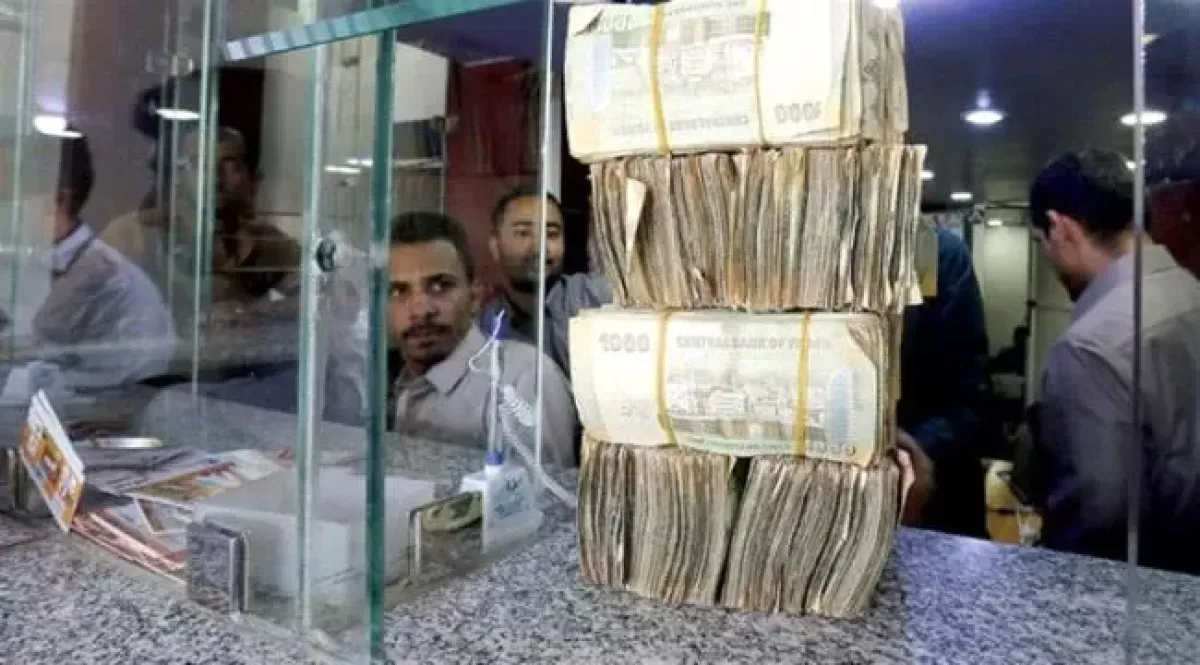
Exchange houses in Aden have ceased selling foreign currencies to citizens, exclusively engaging in purchasing them. This action raises concerns about restricted access to the official rates for the US dollar and Saudi riyal, fostering the growth of the black market and currency speculation.
Citizens seeking to purchase Saudi riyals and US dollars for travel purposes reported being unable to do so at exchange houses. They were informed that sales were suspended, despite the companies continuing to buy foreign currencies from the public. According to statements made by citizens to "NewsYemen," the parallel market rate for the Saudi riyal reached approximately 420 Yemeni riyals, compared to the official rate of 412 riyals. This refusal by exchange houses to sell at the established rate is compelling citizens to resort to the black market and accept higher prices to meet their currency needs.
These practices, as detailed in citizen complaints, generate fears of currency hoarding and market manipulation. The continued purchasing of foreign currencies from the public while suspending sales creates an unofficial parallel market, undermining the central bank's efforts to stabilize the exchange market and preserve the value of the local currency.
Some exchange house employees are reportedly justifying the suspension of sales by citing directives from the Central Bank, without providing specifics on the nature or reasons for these instructions. This ambiguity fuels questions about the validity of these justifications and whether official orders to halt sales to the public exist, or if certain companies are exploiting the situation for profit through price differentials.
These complaints emerge shortly after the Central Bank announced measures against several exchange companies and establishments, including the suspension of dealings with 14 entities for violating banking regulations. The Associations of Exchange Companies had circulated a notice to cease transactions with the sanctioned entities, urging money transfer networks, agents, and other exchange companies to comply. The directive also mandated the closure of their branches until further notice from the Central Bank.
The list of suspended entities includes Ben Afif Exchange, Al-Imam Exchange, Al-Turaidhi Exchange, Al-Khudeiri Exchange, Al-Awal Exchange, and Nile Exchange, alongside establishments owned by Mohammed Al-Aroui, Abu Nasser Al-Ameri, Al-Alwani, Mazaya, Ben Obaid, Al-Hair, Yuhsab, and Al-Shuqairi Exchange. However, the notice did not specify the nature of the violations attributed to these parties or the details of the actions taken against them.
While publicized actions against errant exchange companies continue, citizen complaints highlight a broader issue concerning the availability and sale mechanisms of foreign currencies. Halting dealings with specific establishments is insufficient if the practice of withholding sales and engaging in speculation persists in the market. This presents the Central Bank with a regulatory challenge that extends beyond issuing circulars and decisions, requiring on-the-ground verification of exchange houses' adherence to approved regulations and prices. It also necessitates uncovering the truth behind the directives cited by some companies and holding accountable any entity found to be hoarding or manipulating the exchange market.
The persistent gap between official and parallel market exchange rates fuels concerns about the resurgence of speculation, which exerts downward pressure on the Yemeni riyal's value. This imposes additional costs on citizens, particularly travelers who find themselves compelled to use the parallel market despite the availability of official rates.