Yemeni government forces have raised their combat readiness to the highest level in anticipation of potential large-scale attacks, as Houthi militias simultaneously escalate military activity across several governorates. Observers interpret these moves as an attempt to alter battlefield dynamics and impose new realities through force, coinciding with increased Iranian support for the group.
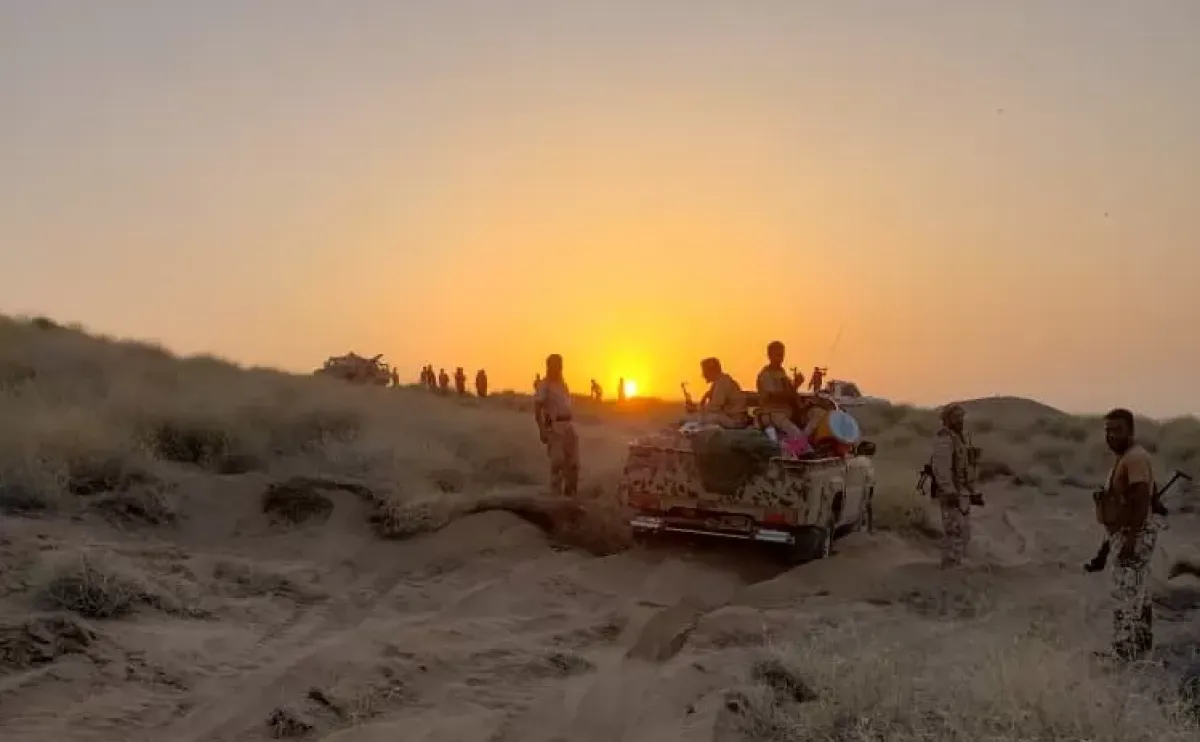
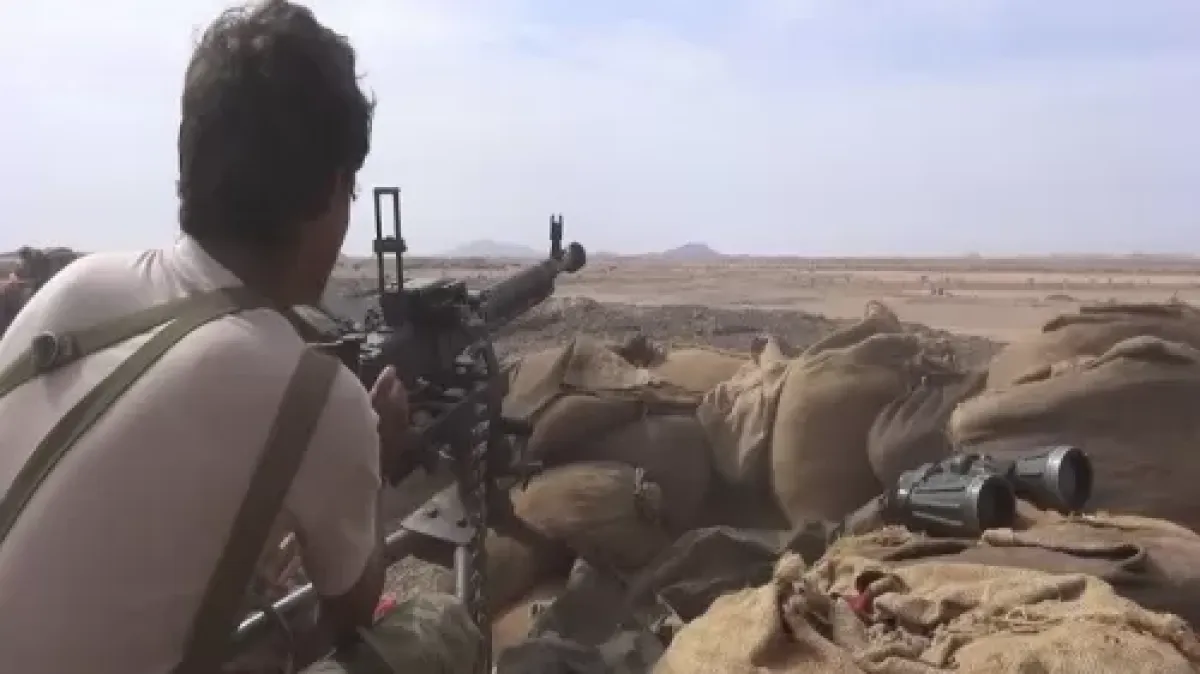
The current escalation spans from the West Coast, through Taiz province, to the fronts in Al Dhaleh. These actions occur amidst warnings that the Houthi movement aims to reignite military conflict by exploiting political stagnation, seeking to leverage military pressure for international bargaining. In Al Dhaleh, intermittent clashes erupted in the Bab Ghalaq front in the north of the province following Houthi sniper and shelling operations against joint government forces' positions. Field sources reported that these confrontations resulted in the death of soldier Yasser Muthanna Al-Amri and injuries to two others, with Houthi casualties remaining undisclosed.
In Al Hudaydah, Minister of State Walid Al-Qudaimi stated that the battle for Jabal Dabas in the Hays district resulted in 50 Houthi casualties. He noted the martyrdom of 15 soldiers from the Al-Zaranik forces of the First National Resistance Brigade in defense of their land. Al-Qudaimi emphasized that the West Coast front remains active, with repeated Houthi attacks on Al-Zaranik positions, which he described as a critical barrier to their southward advance in Al Hudaydah. He commended the resilience of the Tahama fighters and highlighted that sacrifice leads to victory and liberation.
In Taiz governorate, government forces have heightened their combat readiness across various fronts, supported by intelligence reports indicating the arrival of new Houthi reinforcements. Governor Nabeel Shamsan stressed the importance of increased readiness and coordination among military units to counter Houthi gatherings, affirming the group's intention to breach lines for territorial and morale gains after recent failures. Chief of Staff Lieutenant General Saleh bin Aziz has issued directives to elevate combat readiness to the maximum level nationwide, following discussions that included the implications of an Iranian aircraft landing at Sana'a airport, an event considered a violation of Yemeni sovereignty and UN Security Council resolutions.
Analysts suggest that the Houthi's recent actions are inextricably linked to regional political developments. They believe the group is attempting to exploit military escalations to pressure the international community and demonstrate its capacity to destabilize the region if its demands are not met, particularly in light of mounting international scrutiny over its violations and threats to international navigation. The concurrent intensification of attacks across multiple fronts, coupled with military reinforcements and notable Iranian activities, indicates a Houthi strategy to keep fronts active as a political leverage tool amidst escalating internal economic and livelihood crises and growing public discontent in Houthi-controlled areas.
Conversely, government forces maintain they are closely monitoring Houthi movements and that heightened military readiness is a preemptive measure to thwart any attempts to breach defensive lines or impose new realities by force. They assert their commitment to defending state institutions and protecting civilians. The synchronized escalation in Al Dhaleh, Taiz, and the West Coast, according to observers, signifies a shift in the militia's approach towards broadening military operations, sending a message to both domestic and international audiences. This trend fuels concerns that these actions could derail de-escalation efforts and push the country toward a new phase of widespread conflict.