Scientists have discovered that Galápagos giant daisies, like Darwin's famous finches, independently evolved similar traits multiple times through different genetic pathways, offering a stunning example of parallel evolution on the islands.
The Galápagos Islands remain a hotbed for evolutionary discoveries, with new insights emerging over 150 years after Charles Darwin's pivotal visit. A large international research team, including experts from institutions like the Royal Botanic Gardens, Kew, and the University of California, Davis, has been studying the Scalesia genus, commonly known as Galápagos giant daisies.
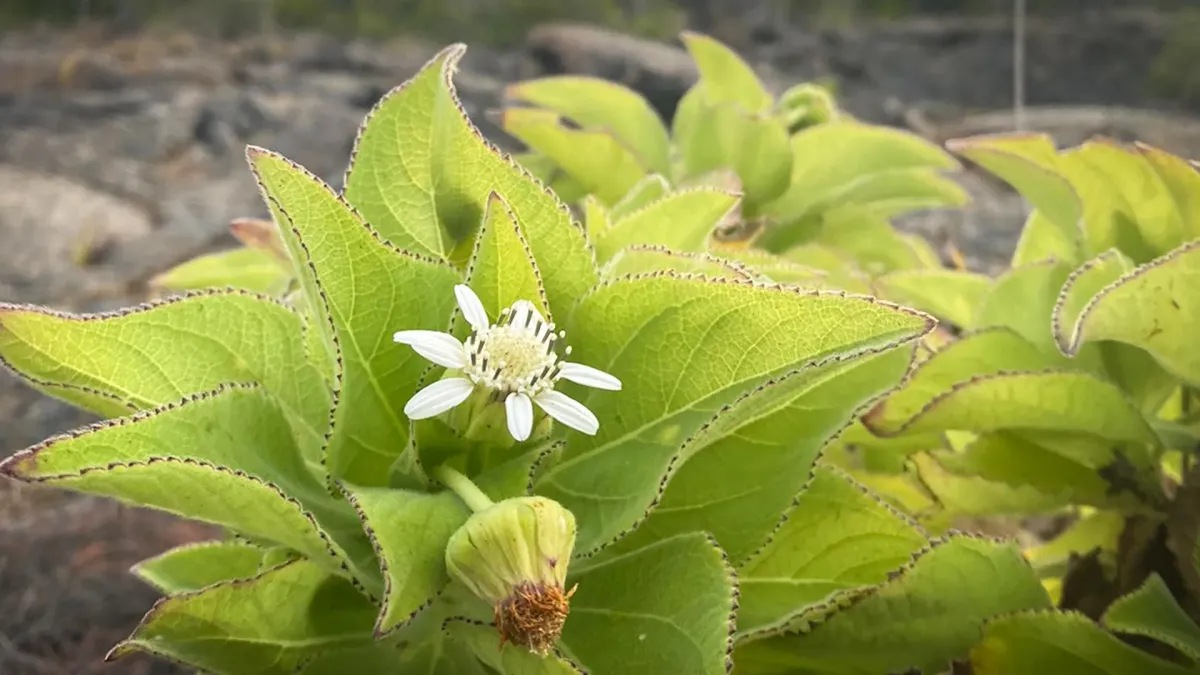
These plants, which evolved rapidly from mainland South America over the last million years, have adapted to diverse island habitats, from humid forests to arid lowlands. Their appearances vary dramatically, with some growing as shrubs and others as tall trees. Notably, their leaves have evolved distinct shapes, from large and entire to small and deeply lobed, with the latter thought to aid survival in hot, dry conditions.
Analyzing the complete genomes of all known Scalesia species, the researchers found that the deeply lobed leaf trait reappeared independently several times across different branches of the plant's family tree. Surprisingly, each instance of this evolution involved different genes within the same biological system controlling leaf development. This suggests nature can arrive at the same solution through varied genetic routes, illustrating that evolution often tweaks networks of interacting genes rather than relying on single "master genes."
The study's findings also indicate that evolution is an ongoing process within the Scalesia genus. Significant genetic differences among populations within the same species, coupled with long periods of isolation, suggest that new species may currently be forming. The researchers advocate for managing these distinct populations as individual conservation units, a strategy that could reshape how conservationists protect the unique ecosystems of the Galápagos.
This detailed view of adaptive radiation, where one ancestral species diversifies into many forms suited to different environments, highlights evolution's flexibility and creativity. Darwin's legacy on the Galápagos extends beyond birds; his plant collections included specimens that led to the identification of entirely new species, including four from the Scalesia genus.