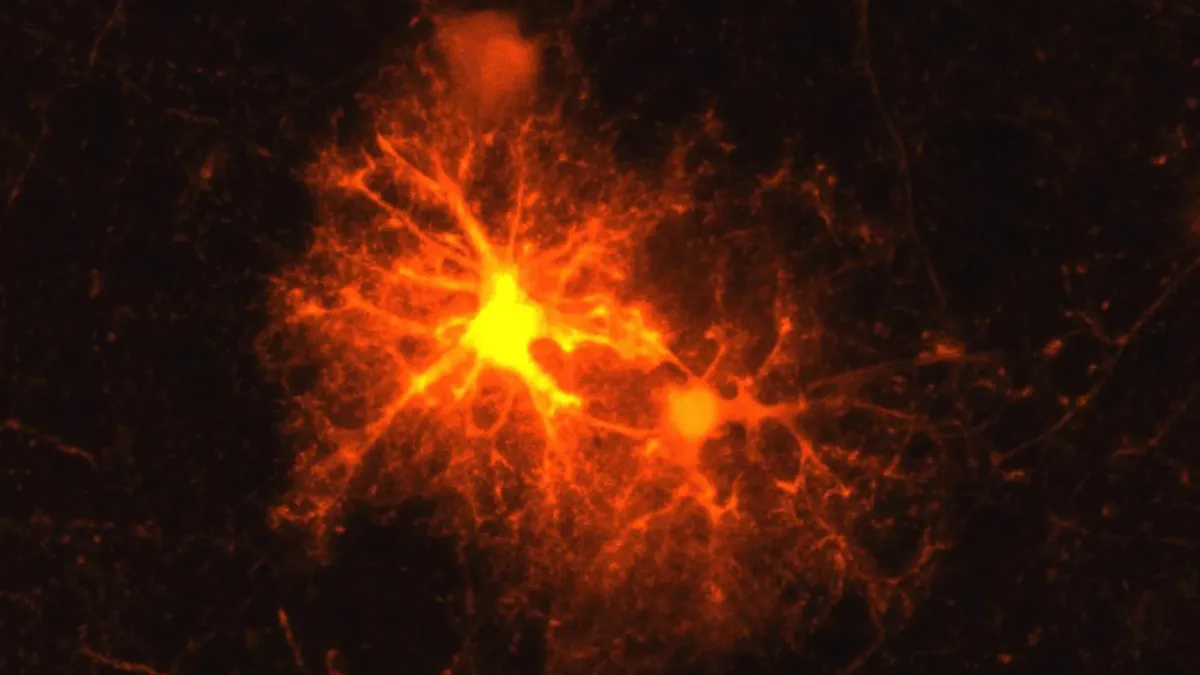
Researchers, including a Rutgers professor, have zeroed in on the biological shifts tied to schizophrenia by directly measuring the tiny connections between brain cells in living people. Using advanced PET imaging, the team captured these crucial communication points, revealing a pattern of synaptic loss that goes beyond what was previously understood.
Synapses, the junctions where brain cells chat, are thought to be key players in schizophrenia's cognitive and emotional challenges. While it's been known that these connections are affected, pinpointing exactly where the loss happens in living brains has been tough, as standard imaging like MRI can't specifically see synapses.
This study, one of the biggest of its kind, looked at 122 individuals, including 29 with schizophrenia. They found a significant and widespread drop in synaptic connections across multiple brain areas in those with schizophrenia, particularly in the frontal and temporal lobes, as well as regions crucial for memory and emotion. Interestingly, the loss was notably greater on the brain's left side compared to the right.
What's more, this synaptic loss pattern didn't align with the brain volume changes often seen in MRI scans. This suggests that synaptic loss and volume changes might be separate issues, not just two different ways of seeing the same underlying process.
The research also uncovered that brain areas with the most synaptic loss were packed with receptors for key neurotransmitters like serotonin, GABA, and glutamate. This hints that a region's molecular makeup could make it more vulnerable to schizophrenia-related changes. Computer simulations, based on the brain's connectivity, suggest that synaptic loss might start in the left frontal lobe and then spread.
"These findings suggest that in schizophrenia, synaptic loss is not random," said lead author Sidhant Chopra. "Rather, it follows the brain's molecular and connectivity architecture, which could eventually help identify where and how to intervene." Professor Avram Holmes added that this detailed mapping could pave the way for therapies aimed at preserving or restoring brain function.
The team plans to build on these findings by exploring how synaptic loss evolves over time and responds to treatments, aiming for more tailored care for schizophrenia in the future.