An increasing number of Iranian clerics and officials are publicly advocating for the country to abandon its long-standing commitment against developing nuclear weapons, a shift potentially signaling a significant change in national policy.
These calls, once confined to hard-line factions, are now becoming more prominent in public discourse. Speakers at Friday prayers and during rallies have urged national leaders to reconsider the stance against pursuing nuclear arms. This evolving debate carries substantial implications for Iran, which has consistently maintained that its nuclear program is exclusively for peaceful applications.
Last week, Ali Sepahvand, the Friday prayer leader in Kuhdasht, stated, “We must be equipped with nuclear weapons — so that we can fight the criminal America with strength, God willing.” His remarks, captured in a widely circulated video and delivered in a prayer hall adorned with images of commanders lost in recent conflicts with the United States and Israel, were met with congregants chanting, “Nuclear deterrence is our inalienable right!”
The escalating demands for Iran to pursue nuclear capabilities occur while the nation's leadership is engaged in diplomatic maneuvers aimed at averting a potential new conflict with the United States and Israel, an outcome perceived as probable following the recent American midterm elections.
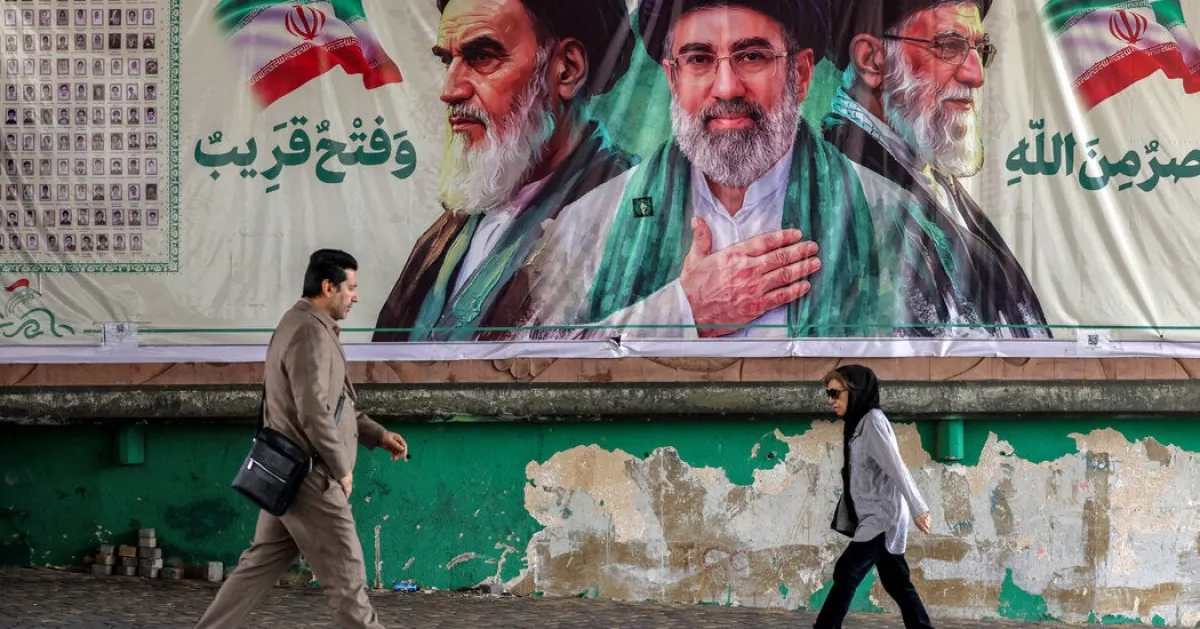
For many years, Iranian officials have publicly adhered to a religious edict, or fatwa, issued by Supreme Leader Ayatollah Ali Khamenei, which prohibits the development and use of nuclear weapons. This decree, issued in his capacity as the head of Iran's theocratic state, explicitly forbids all Iranian entities, including the military and the Islamic Revolutionary Guard Corps, from seeking to acquire nuclear armaments.