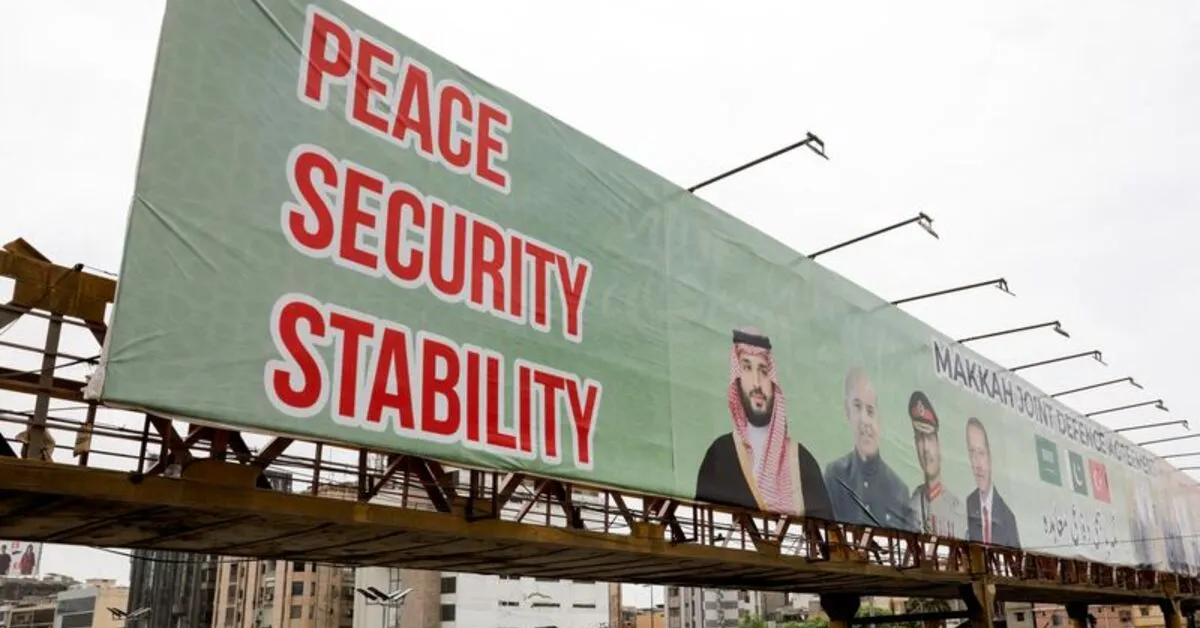
Turkey's parliament is scheduled to ratify a defence agreement with Saudi Arabia and Pakistan on Wednesday, establishing a mutual defence obligation that commits Ankara's military to Riyadh's defence as Yemen's Houthi rebels intensify their attacks.
The ratification of the Mecca Joint Defence Agreement, signed by the three nations in August, formally obliges Ankara to defend Saudi Arabia. However, this ratification alone does not mandate the deployment of Turkish forces; such a deployment would require a separate parliamentary mandate.
The pact, which features a key clause mirroring NATO's Article 5, stipulates that an attack on one member will be considered an attack on all. It aims to enhance defence industry cooperation, military coordination, and establish deterrence against emerging threats. The agreement's timing precedes the recent escalation of Houthi attacks on Saudi Arabia, which coincide with reports suggesting a lack of progress in US-Iran negotiations to end regional conflicts.
Previous indications from officials suggested Turkey's contribution would primarily involve military equipment, intelligence sharing, and weapons systems. Analysts believe Turkey's robust defence industry can provide significant technical support, combat expertise, and advanced systems like air defences and electronic warfare technologies to Saudi Arabia. The deployment of Turkish troops, advisers, and military personnel is anticipated to assist in the installation and operation of these systems once the separate deployment mandate is approved by parliament.
Defence Minister Yasar Guler has stated that Turkey does not envision its troops engaging in combat or offensive operations against the Houthis. Experts note that the pact will also foster a degree of interoperability among the allies through the sharing of expertise, technology, and the operation of similar military systems.